
Precision-Engineered Automotive OEM/ODM Solutions
Delivering end-to-end OEM/ODM automotive solutions with unmatched quality and reliability
Delivering end-to-end OEM/ODM automotive solutions with unmatched quality and reliability
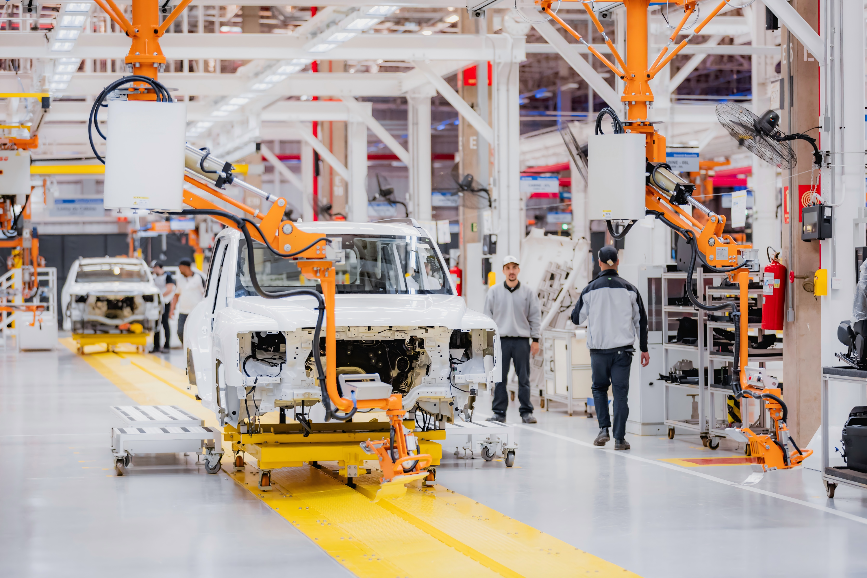
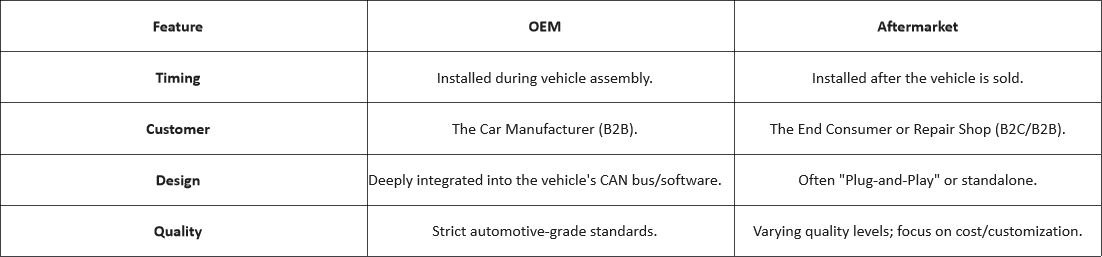
The Automotive OEM Market refers to the supply chain and manufacturing segment where components, systems, and software are integrated into a vehicle on the assembly line before it leaves the factory.
In this ecosystem, Tier 1 and Tier 2 suppliers provide parts—ranging from engines and transmissions to advanced infotainment systems and ADAS (Advanced Driver Assistance Systems)—directly to vehicle manufacturers (e.g., Toyota, Tesla, Volkswagen).

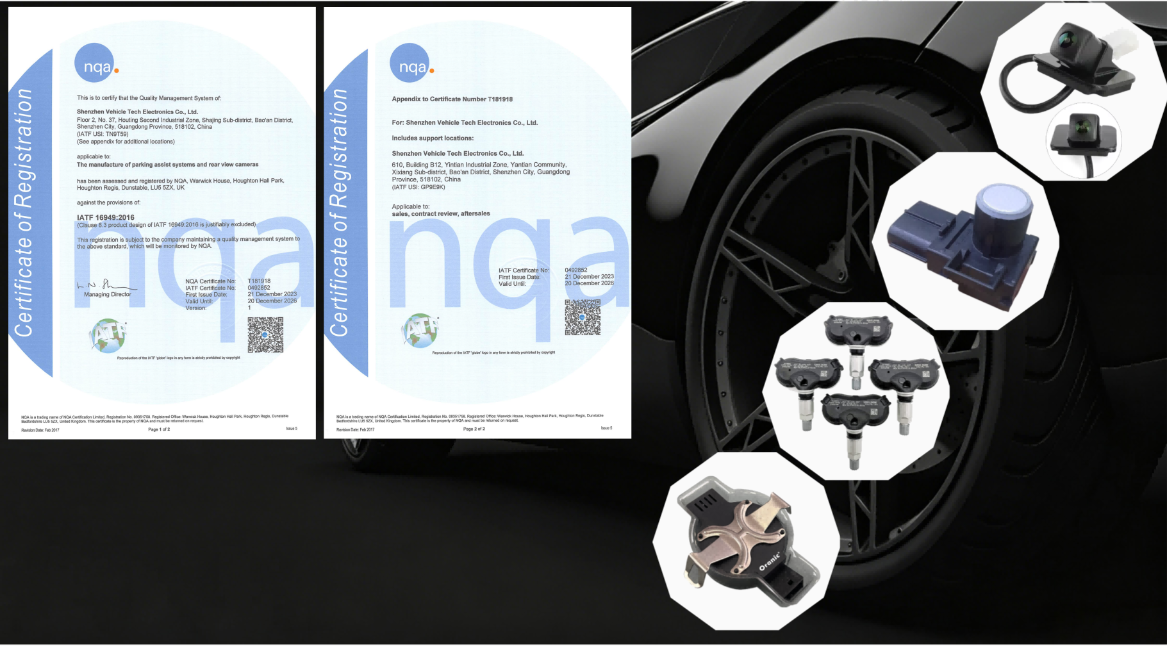
IATF 16949: 2016 is the international standard for Automotive Quality Management Systems (QMS). Developed by the International Automotive Task Force (IATF) and aligned with the high-level structure of ISO 9001: 2015.
It outlines the specific requirements for organizations that manufacture parts, components, and assemblies for the automotive industry.
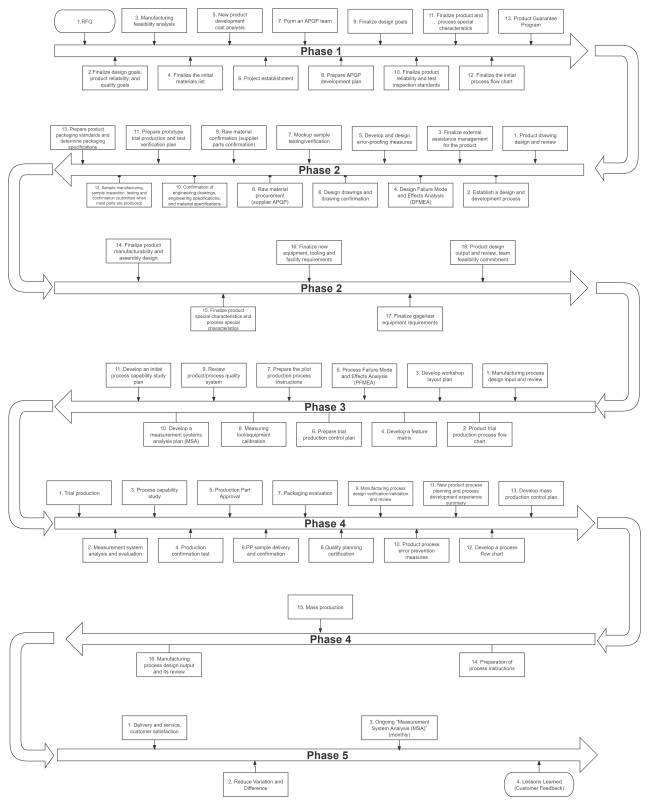
The strength of IATF 16949 lies in its integrated approach, primarily through the application of the Automotive Core Tools. Here is how it safeguards the transition from a concept to a high-volume reality:
1. Risk-Based Thinking (APQP) 2. Design and Process Robustness (FMEA) 3. Statistical Control and Measurement (SPC & MSA) 4. The Final Gate (PPAP) 5. Control Plans
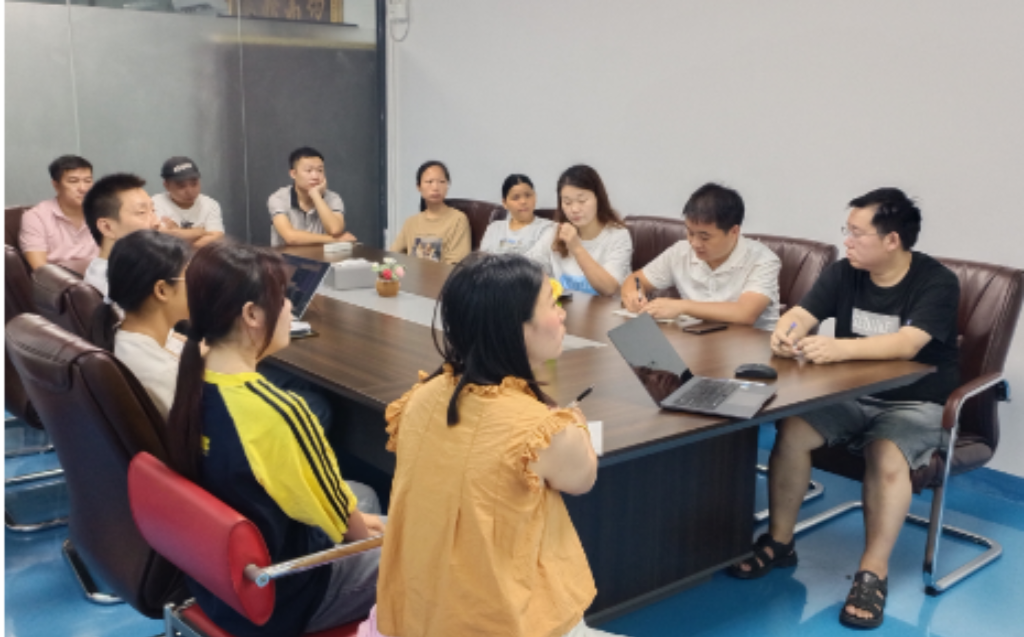
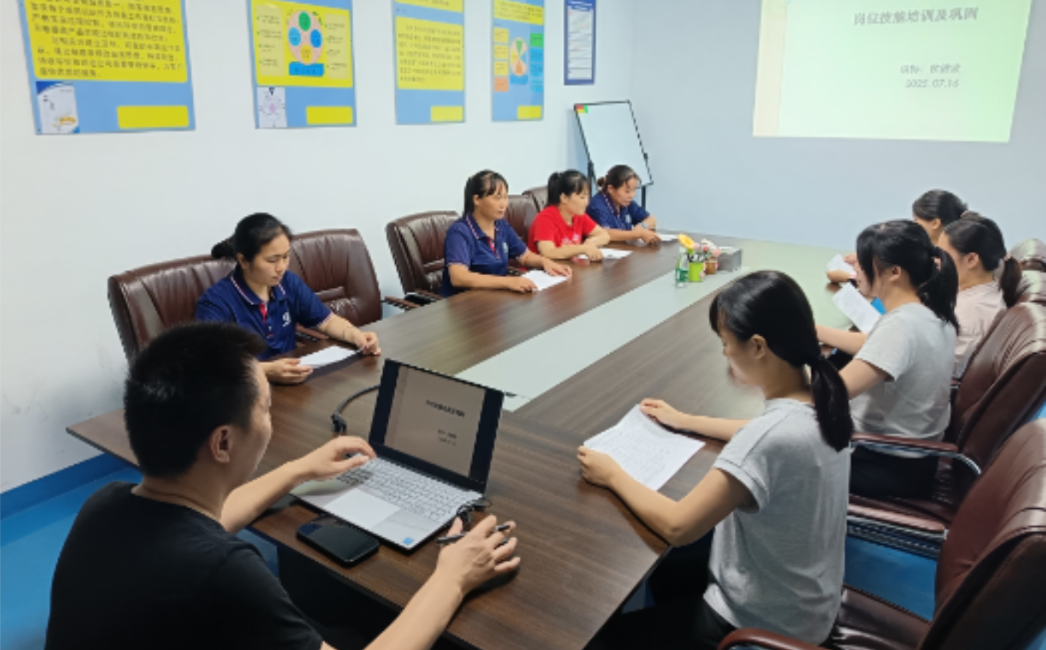
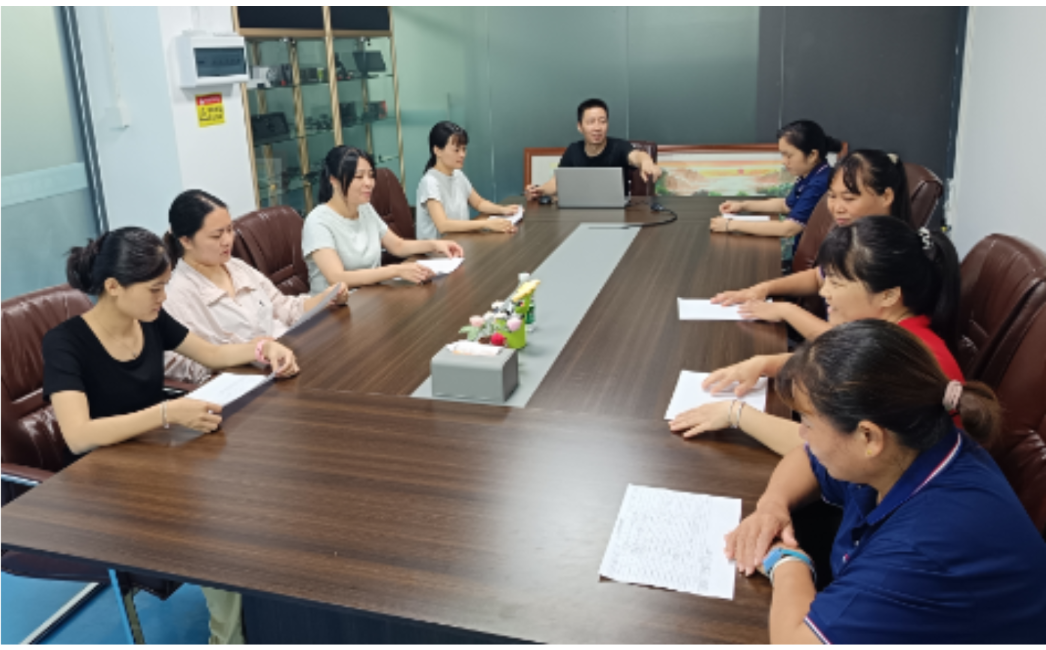
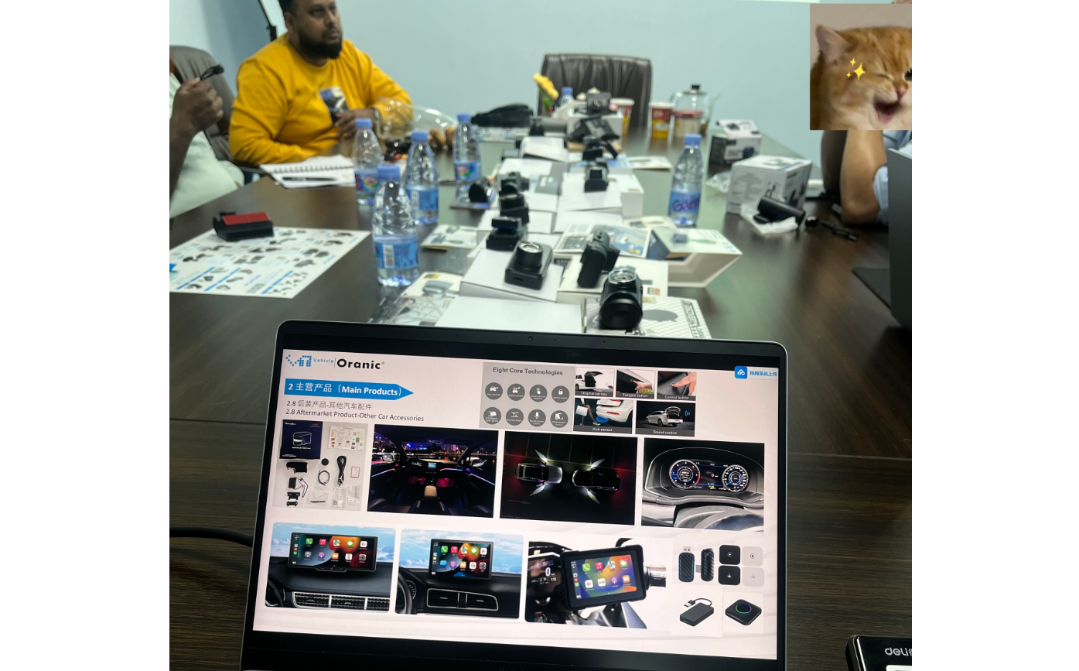
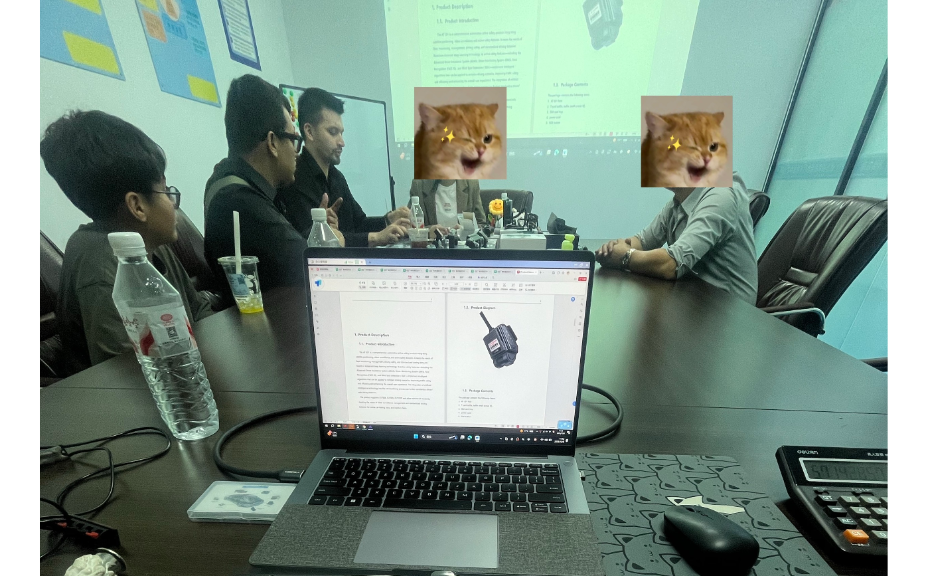
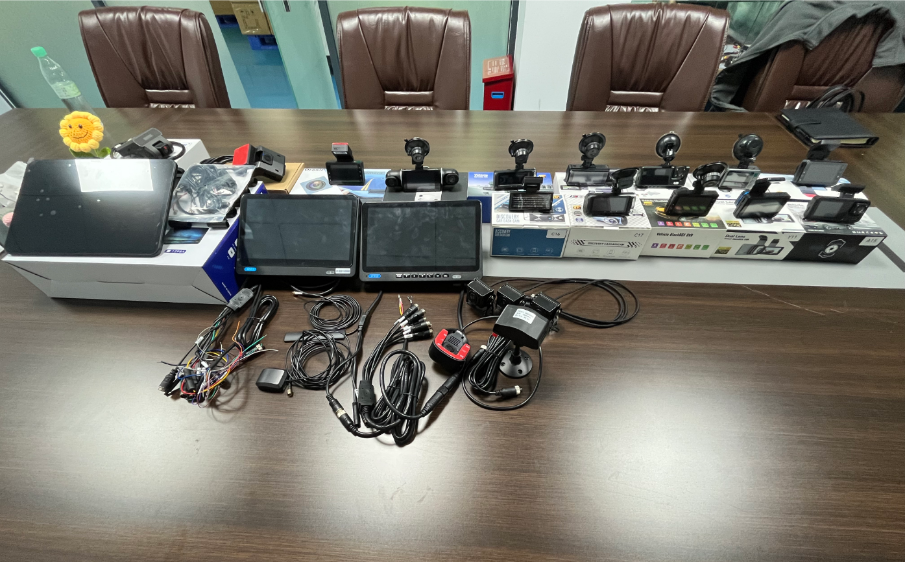
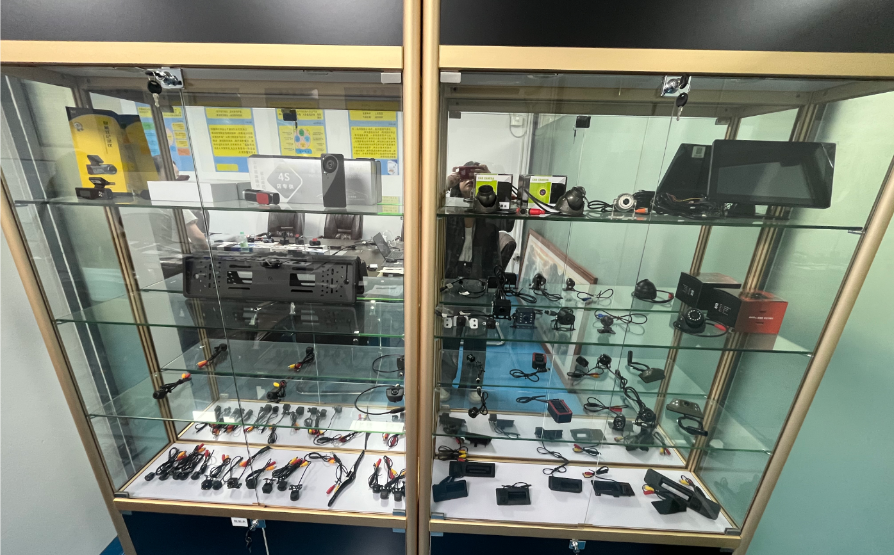
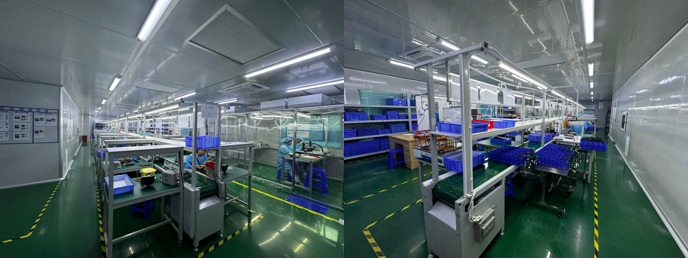
Production Area
📍3 Production Lines 📍4000+ Products Per Day 📍Have 15~30 People
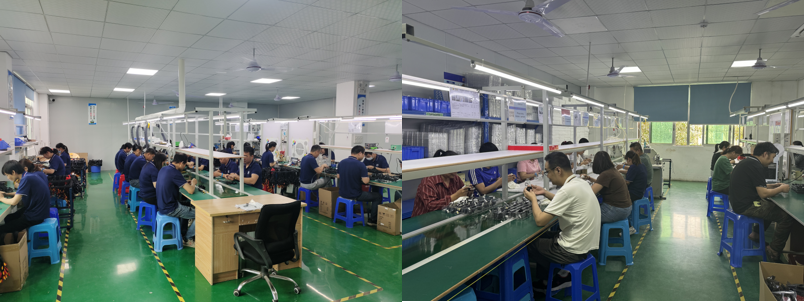
Production Area
📍5 Production Lines 📍7000+ Products Per Day 📍Have 50~70 People
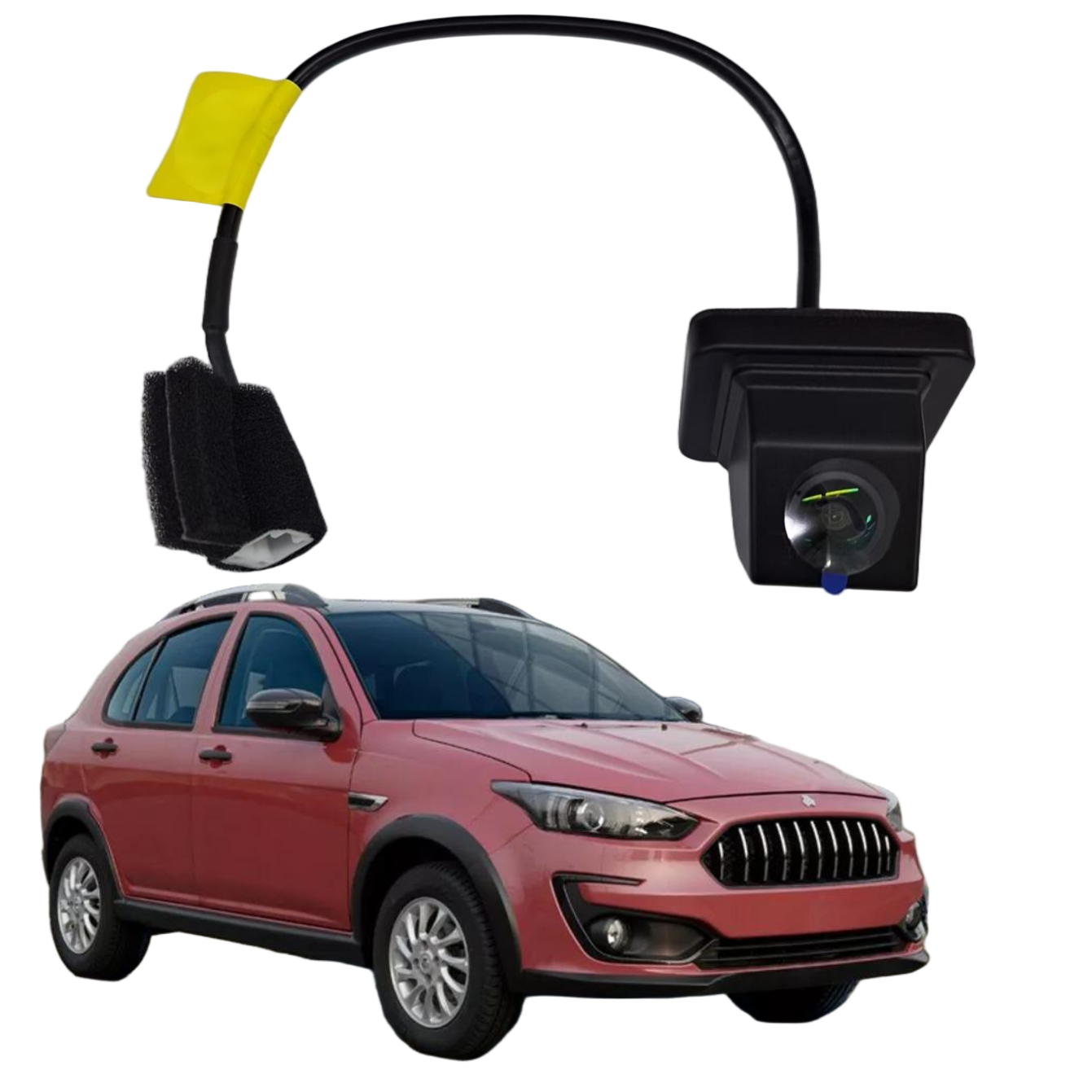
📍Vehicle Model: Saipa-Atlas 📍Supply QTY: 10,000+ PCS 📍SOP: 2025 📍Status: Ongoing
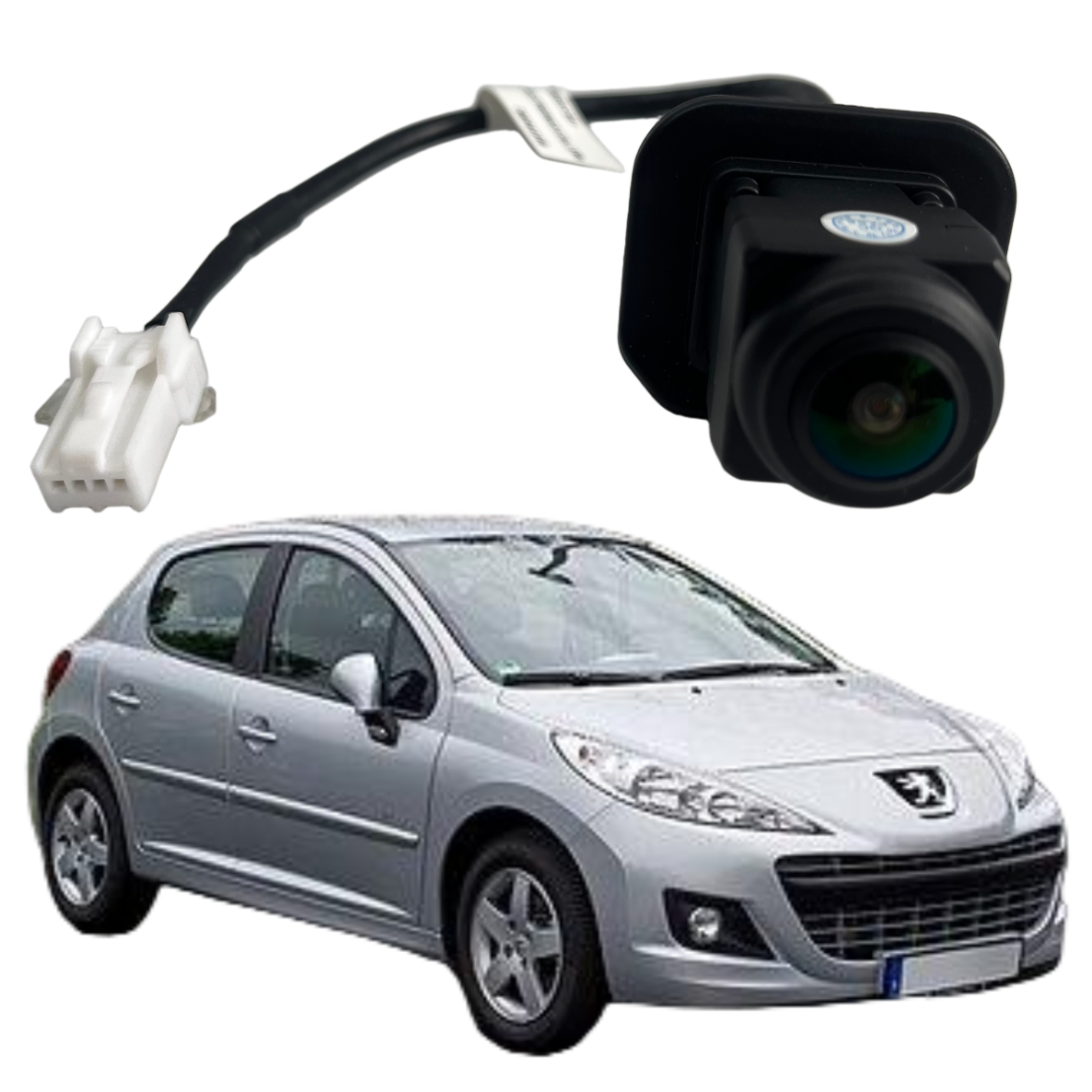
📍Vehicle Model: Peugeot-PG29 📍Supply QTY: 300,000+ PCS 📍SOP: 2021 📍Status: Ongoing
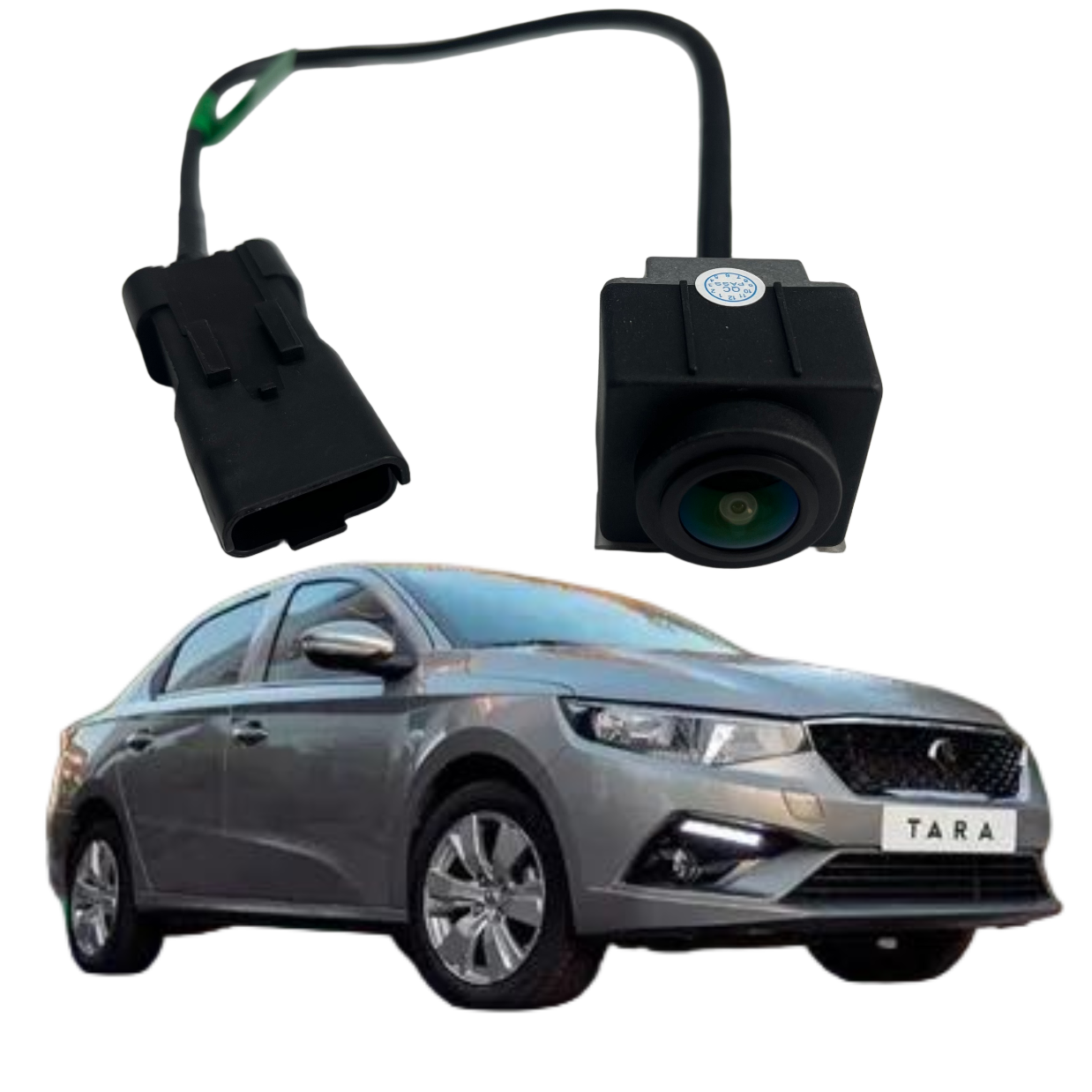
📍Vehicle Model: IKCO-Tara(Static) 📍Supply QTY: 110,000+ PCS 📍SOP: 2022 📍Status: Ongoing
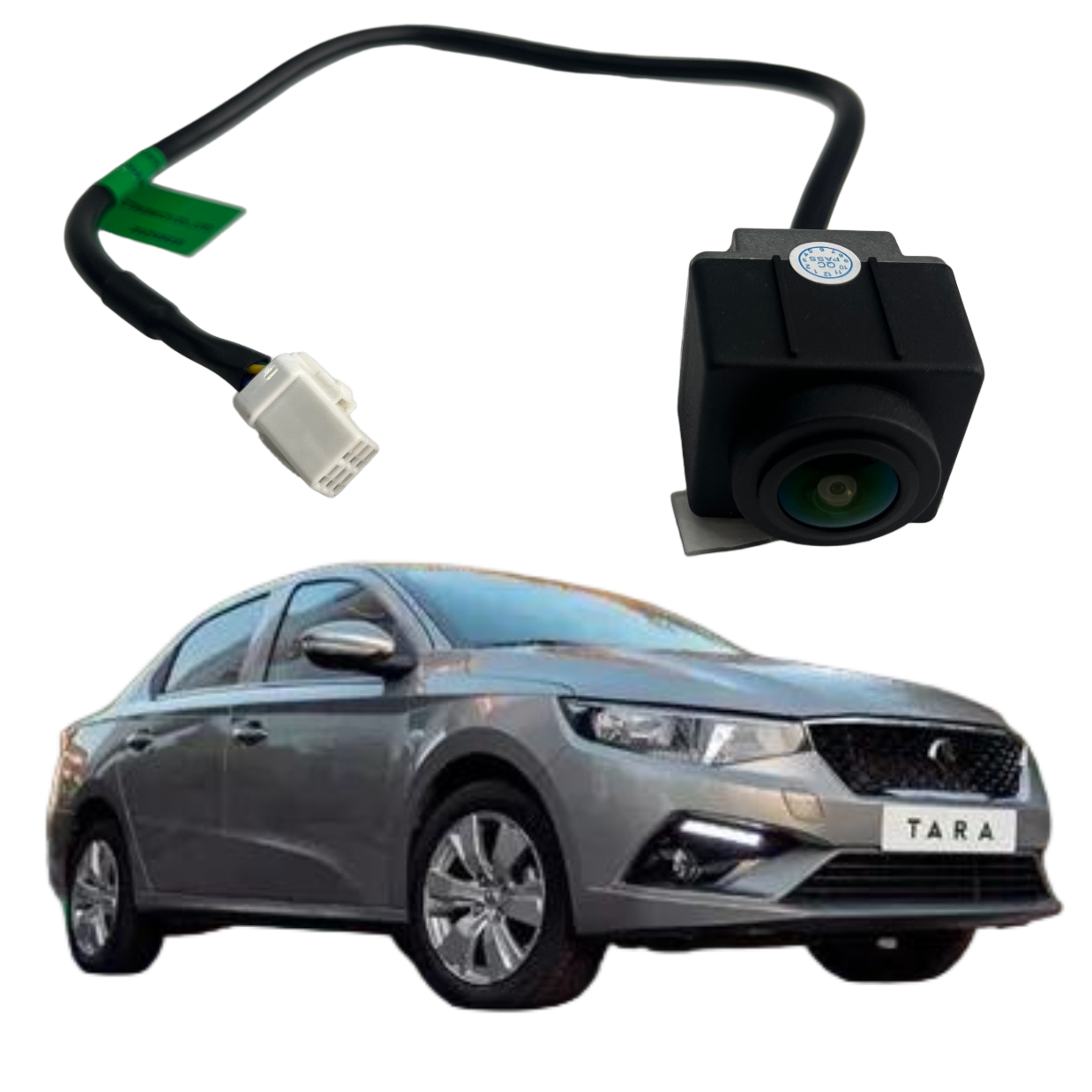
📍Vehicle Model: IKCO-Tara(Dynamic) 📍Supply QTY: 80,000+ PCS 📍SOP: 2023 📍Status: Ongoing
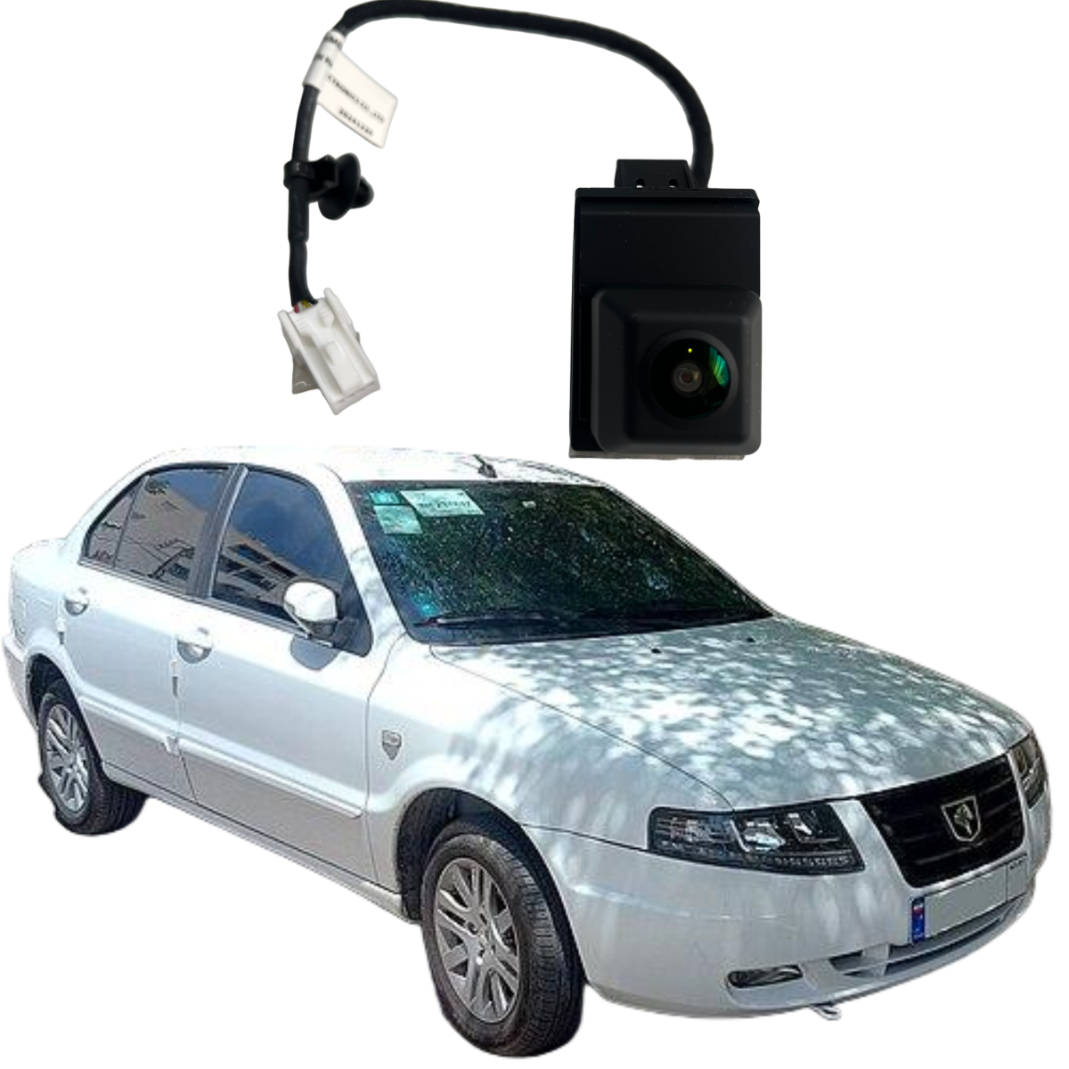
📍Vehicle Model: IKCO-Soren 📍Supply QTY: 200,000+ PCS 📍SOP: 2022 📍Status: Ongoing
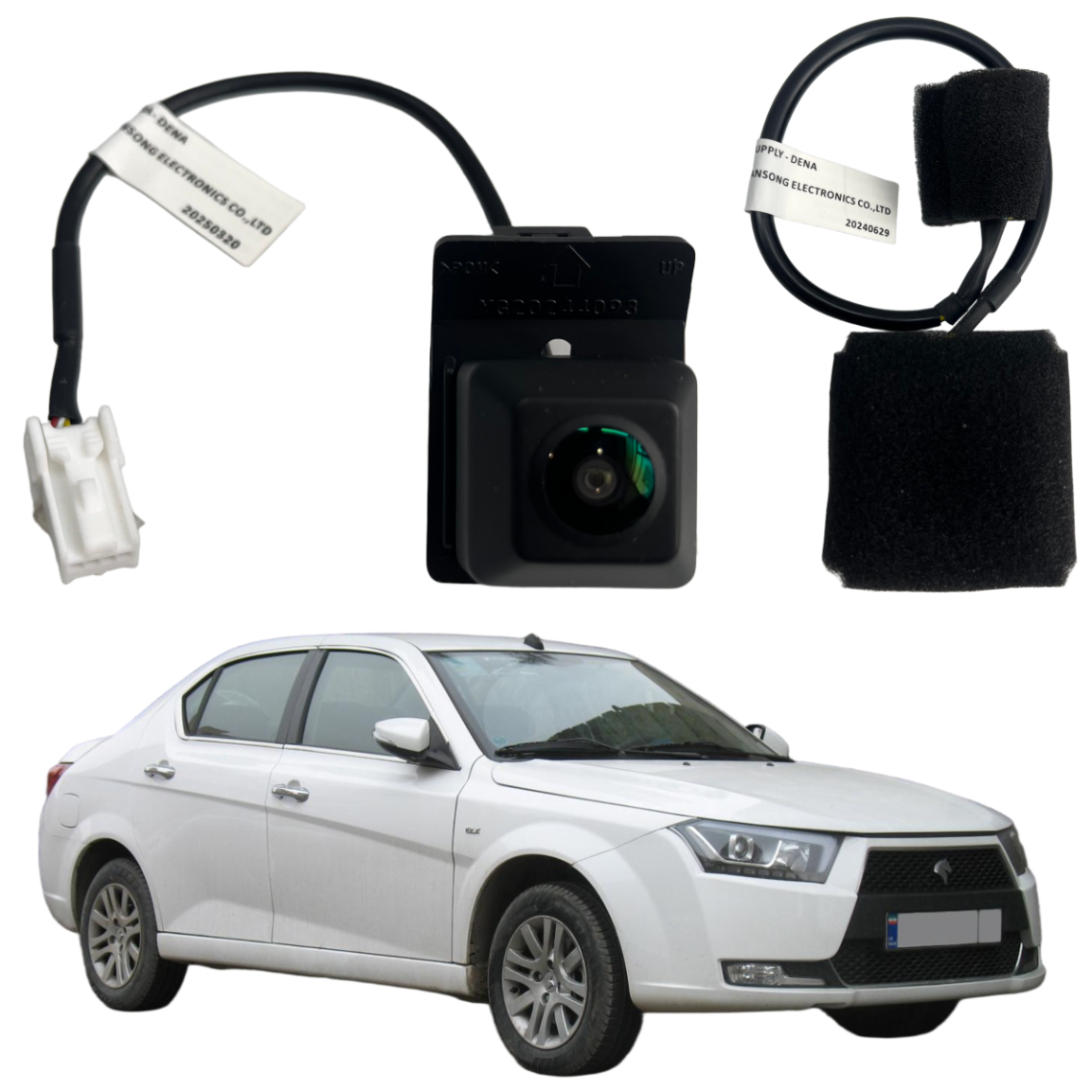
📍Vehicle Model: IKCO-Dena+ 📍Supply QTY: 300,000+ PCS 📍SOP: 2021 📍Status: Ongoing
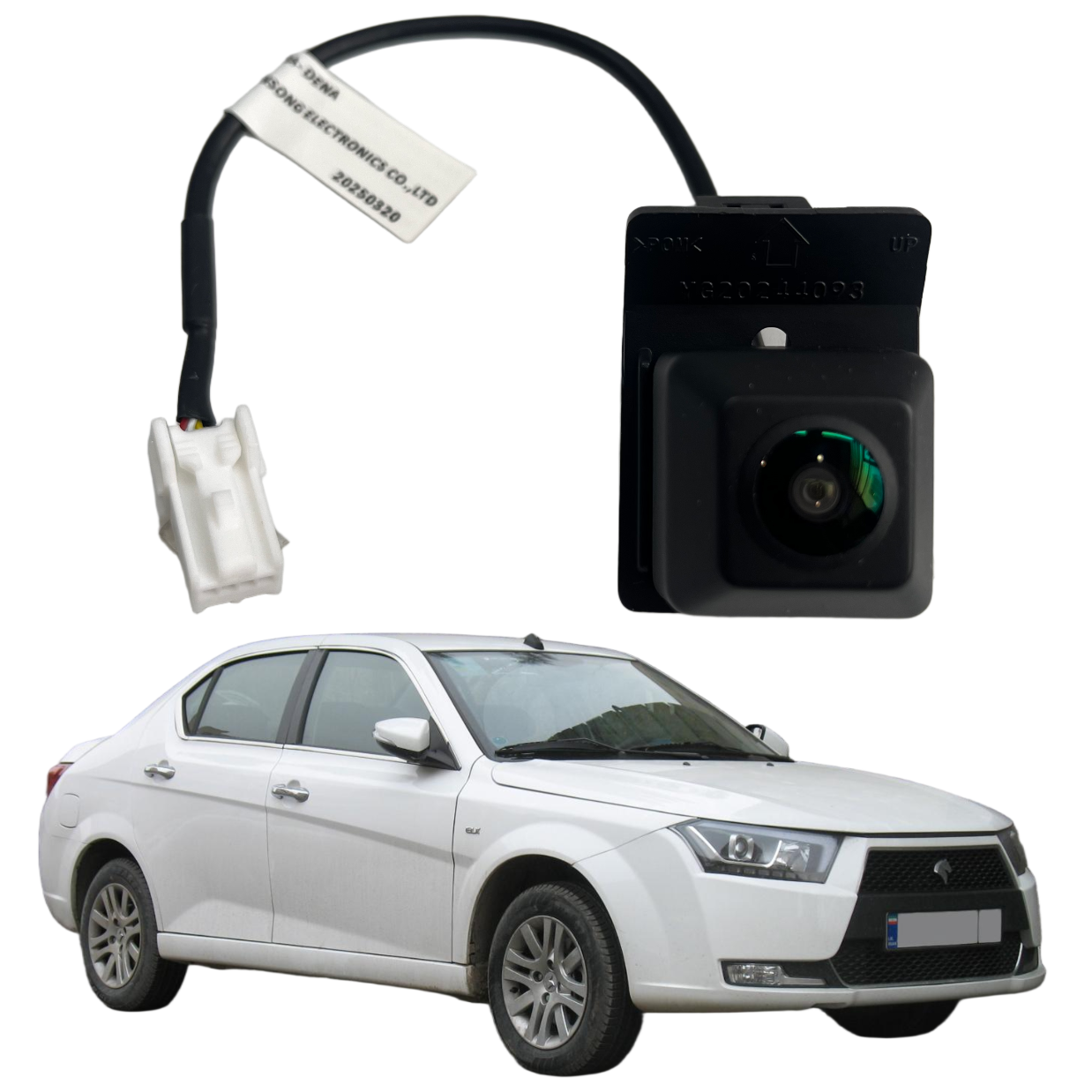
📍Vehicle Model: IKCO-Dena+ 📍Supply QTY: 32,000+ PCS 📍SOP: 2025 📍Status: Ongoing
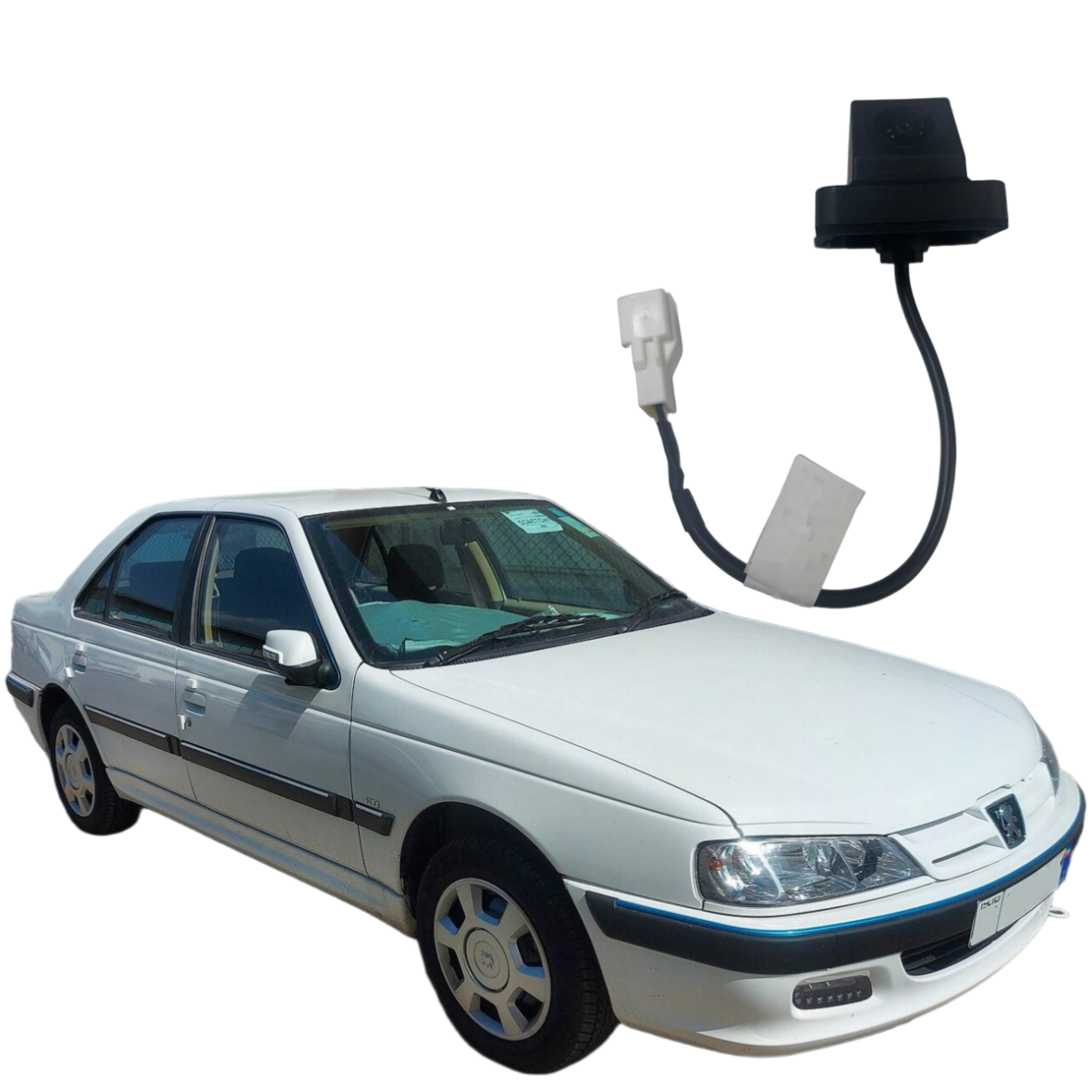
📍Vehicle Model: Peugeot -PARS 📍Supply QTY: 80,000 PCS 📍SOP: 2022 📍Status: EOL
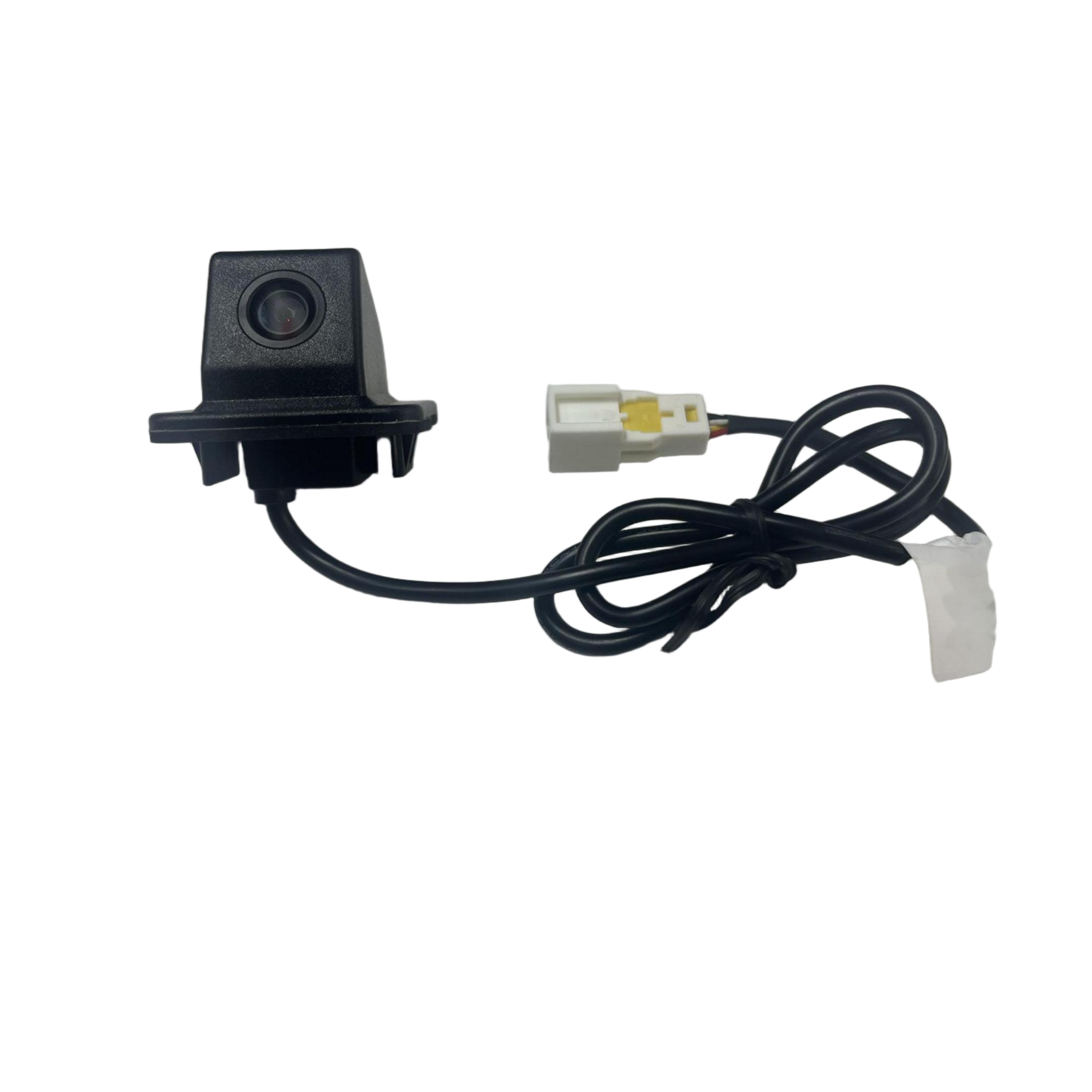
📍Vehicle Model: 7081A 📍Supply QTY: 17,000+ PCS 📍SOP: 2022 📍Status: EOL

📍Vehicle Model: Saipa-Shahin 📍Supply QTY: 30,000+ PCS 📍SOP: 2023 📍Status: Ongoing
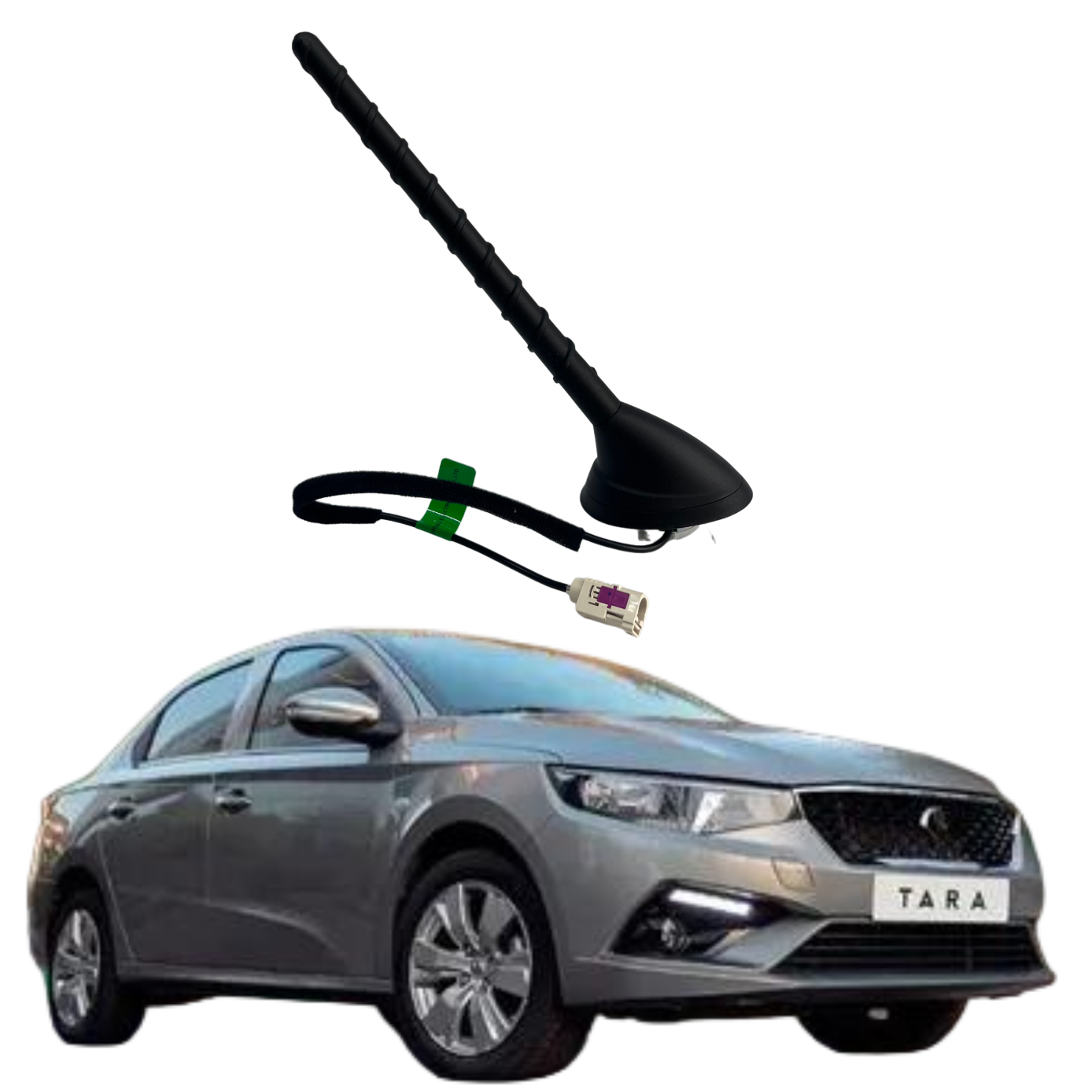
📍Vehicle Model: IKCO-Tara 📍Supply QTY: 180,000+ SETS 📍SOP: 2022 📍Status: Ongoing
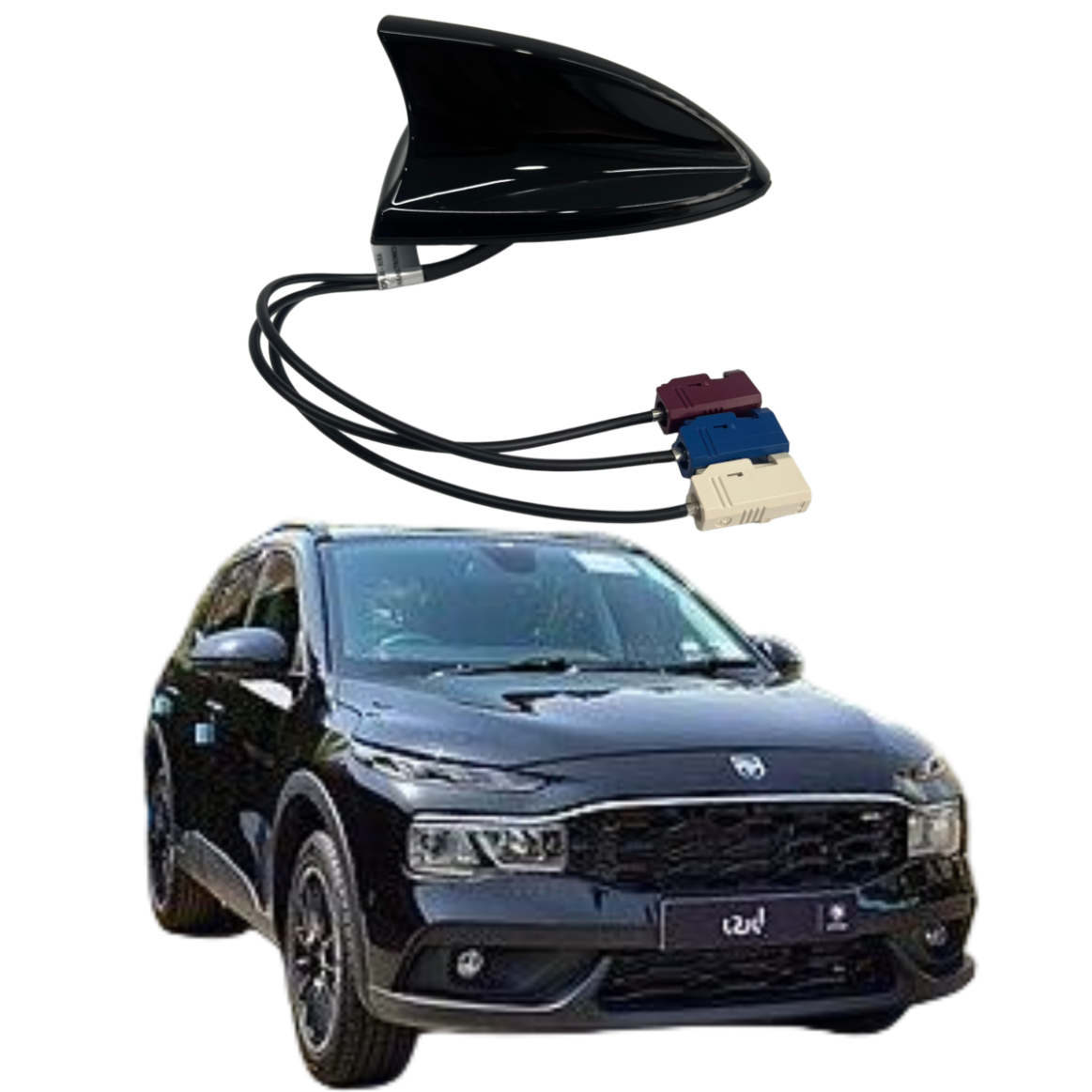
📍Vehicle Model: IKCO-REERA 📍Supply QTY: 14,000+ SETS 📍SOP: 2022 📍Status: Ongoing
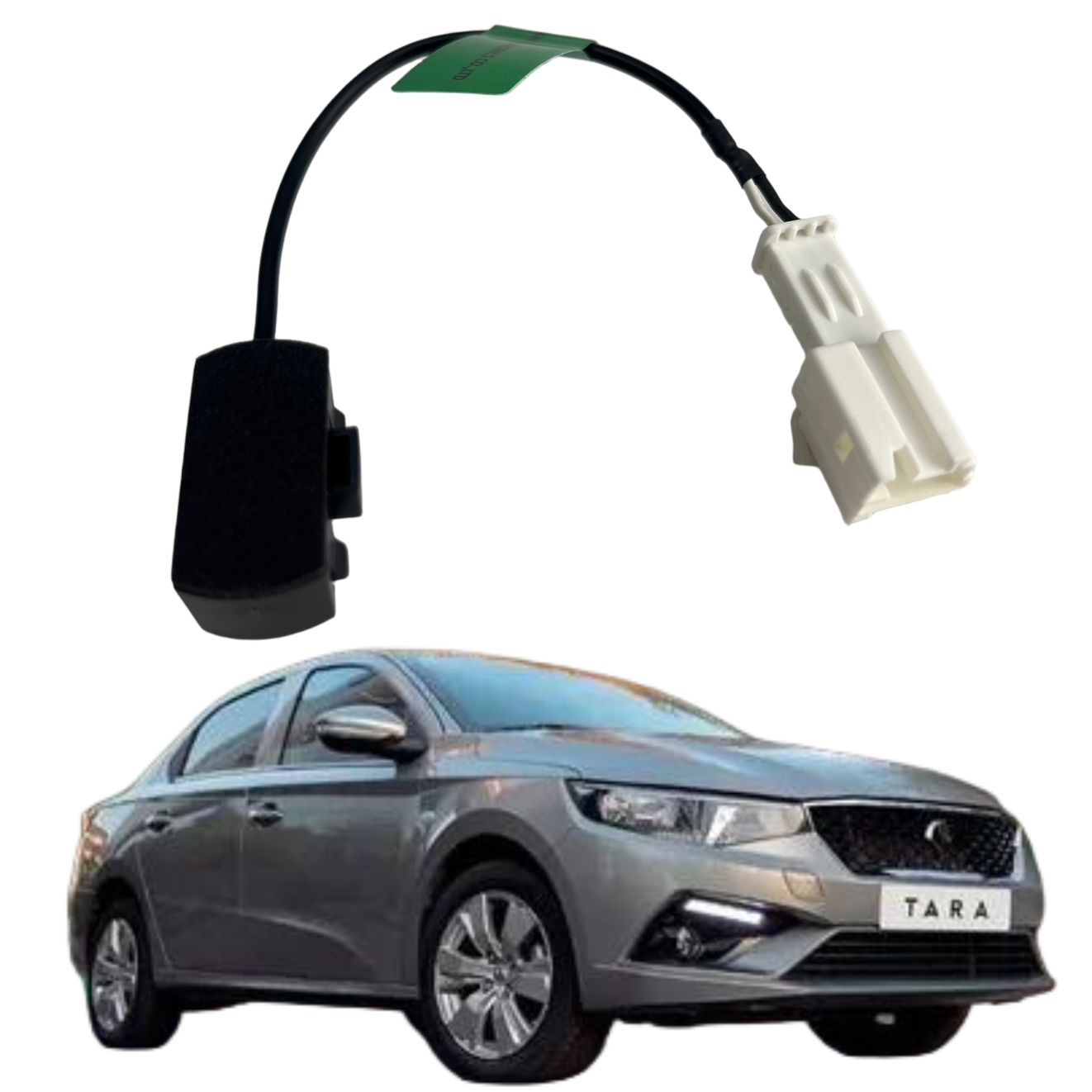
📍Vehicle Model: IKCO-Tara 📍Supply QTY: 180,000+ PCS 📍SOP: 2022 📍Status: Ongoing
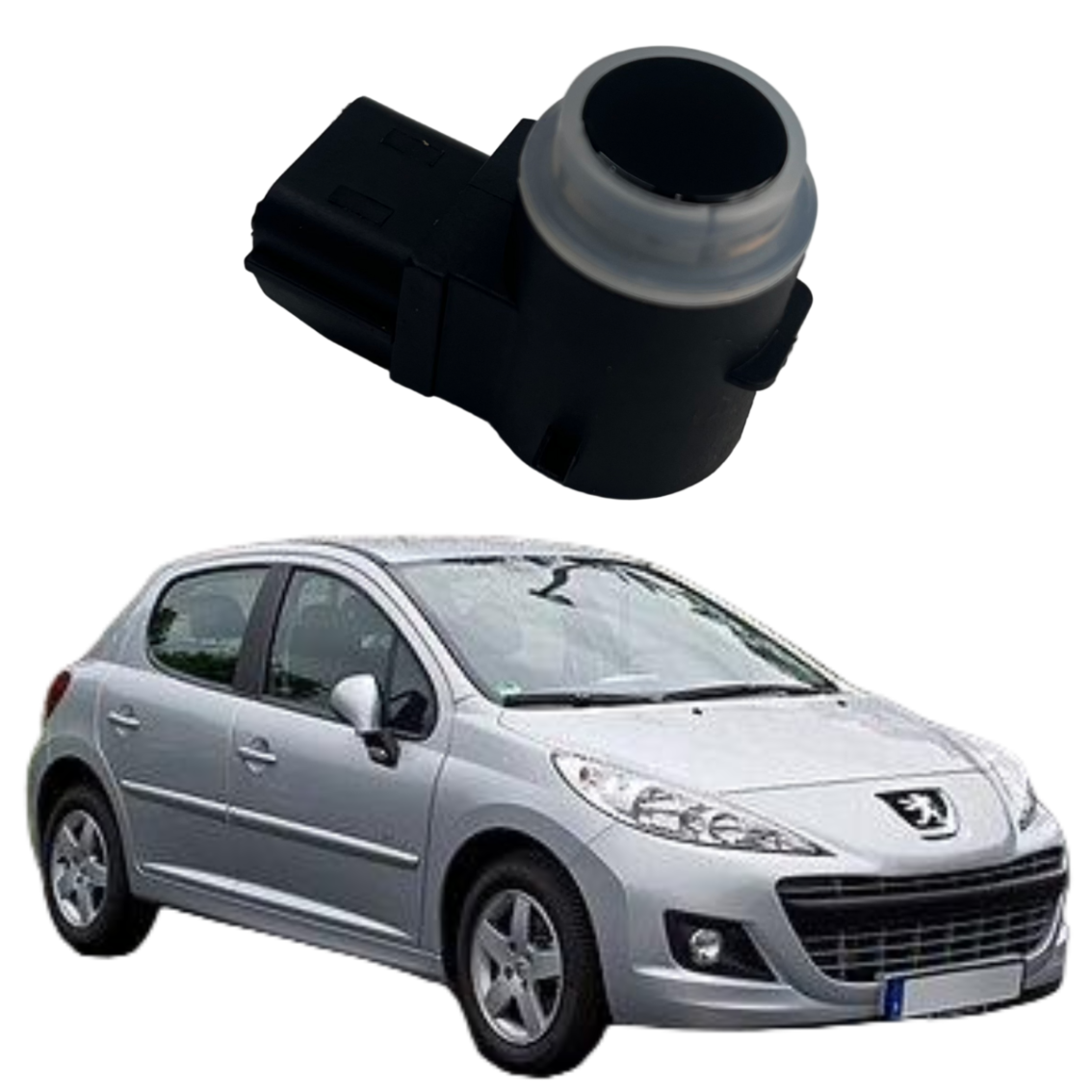
📍Vehicle Model: Peugeot-PG29 📍Supply QTY: 210,000+ PCS 📍SOP: 2018 📍Status: EOL
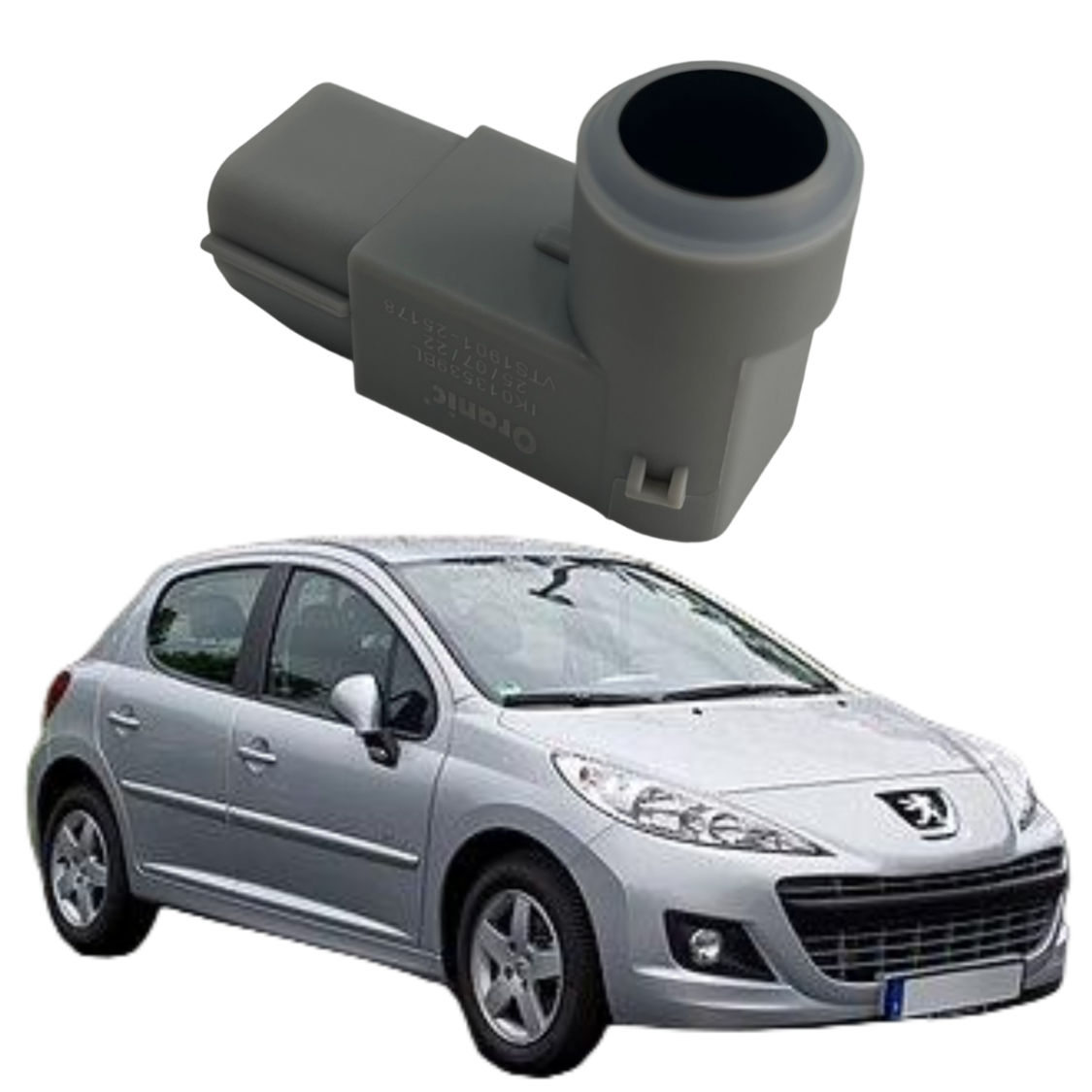
📍Vehicle Model: Peugeot-PG29 📍Supply QTY: 210,000+ PCS 📍SOP: 2018 📍Status: EOL
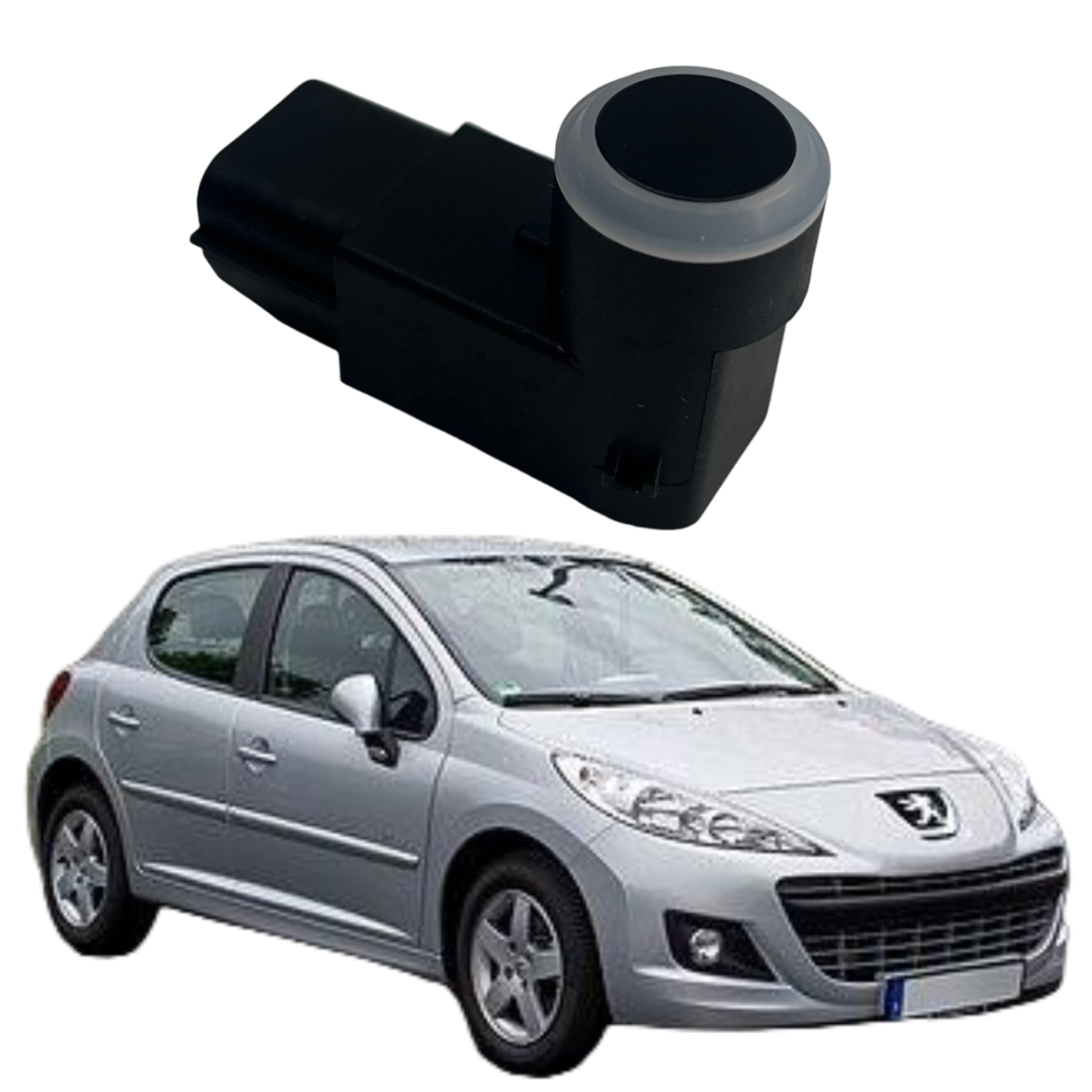
📍Vehicle Model: Peugeot-PG29 📍Supply QTY: 210,000+ PCS 📍SOP: 2018 📍Status: EOL
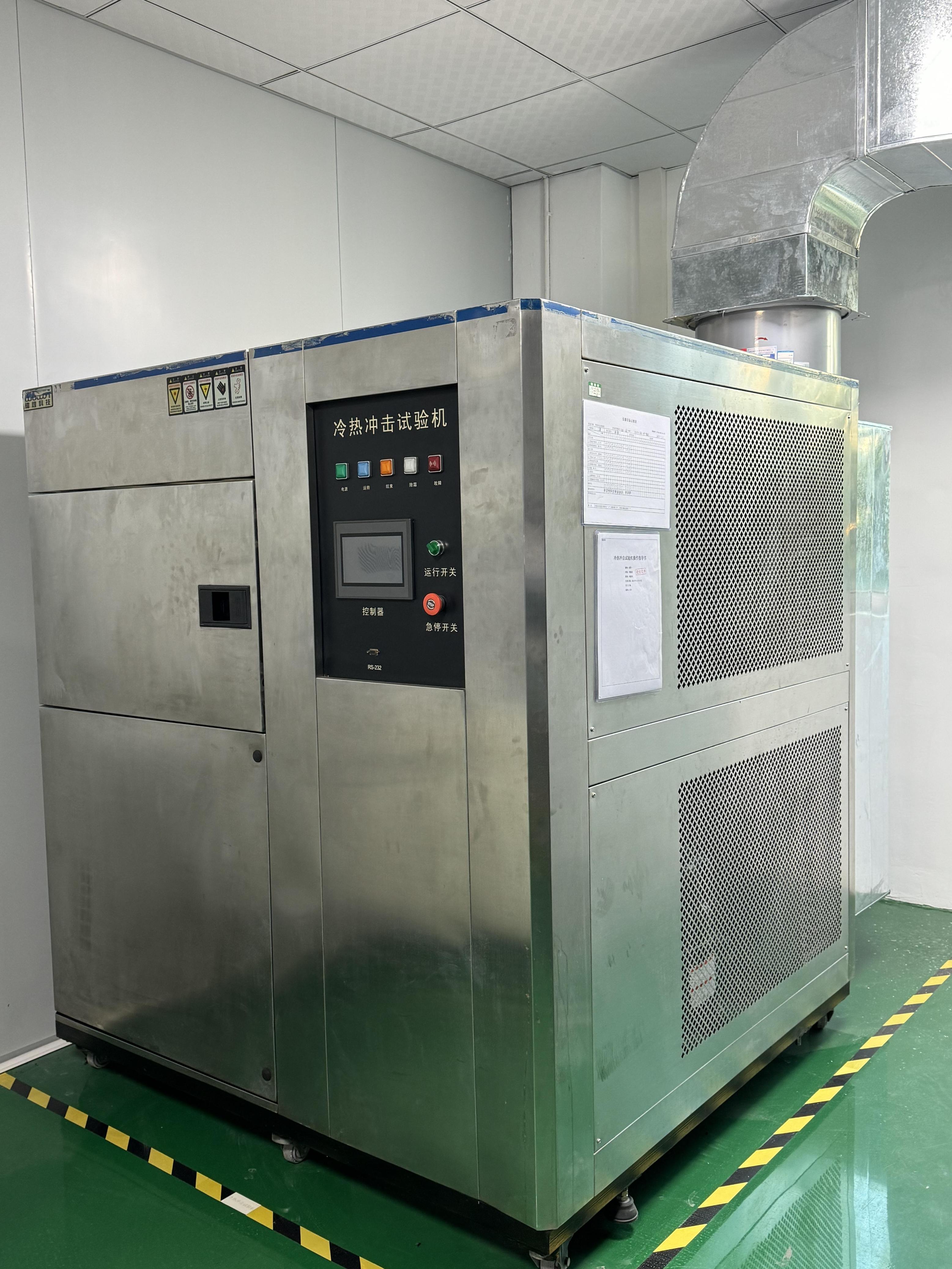
📍Rapidly switches between extreme hot and cold to test product endurance. 📍Relevant Standards: IEC 60068-2-14 (Test N: Change of Temperature), MIL-STD-883 (Method 1010, for temperature cycling) .
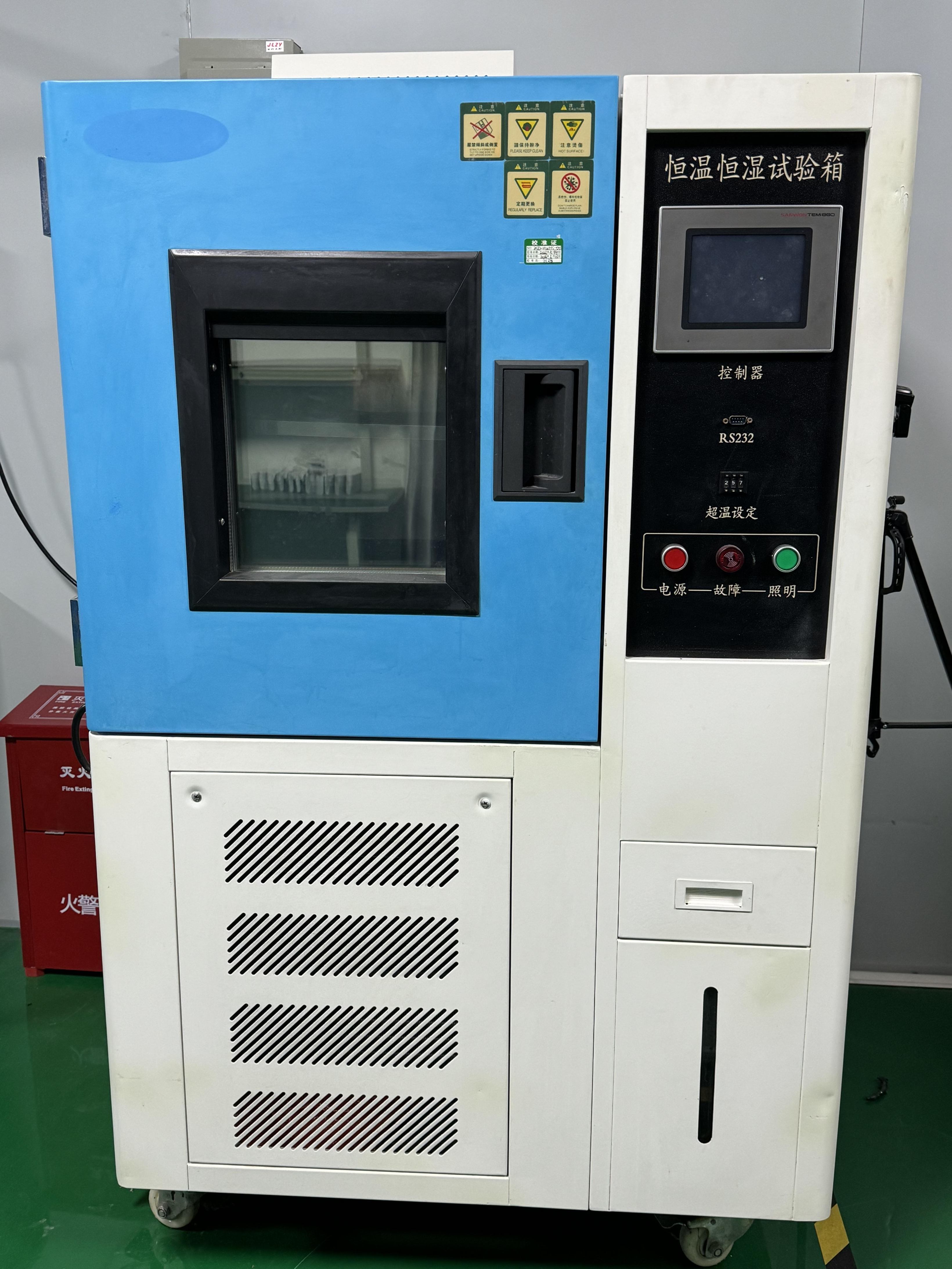
📍Simulates how products perform in steady, controlled environments. 📍Relevant Standards : IEC 60068-2-78 (Test Cab: Damp Heat, Steady State), IEC 60068-2-38 (Test Z/AD: Composite Temperature/Humidity Cyclic Test), GB/T 2423.3.
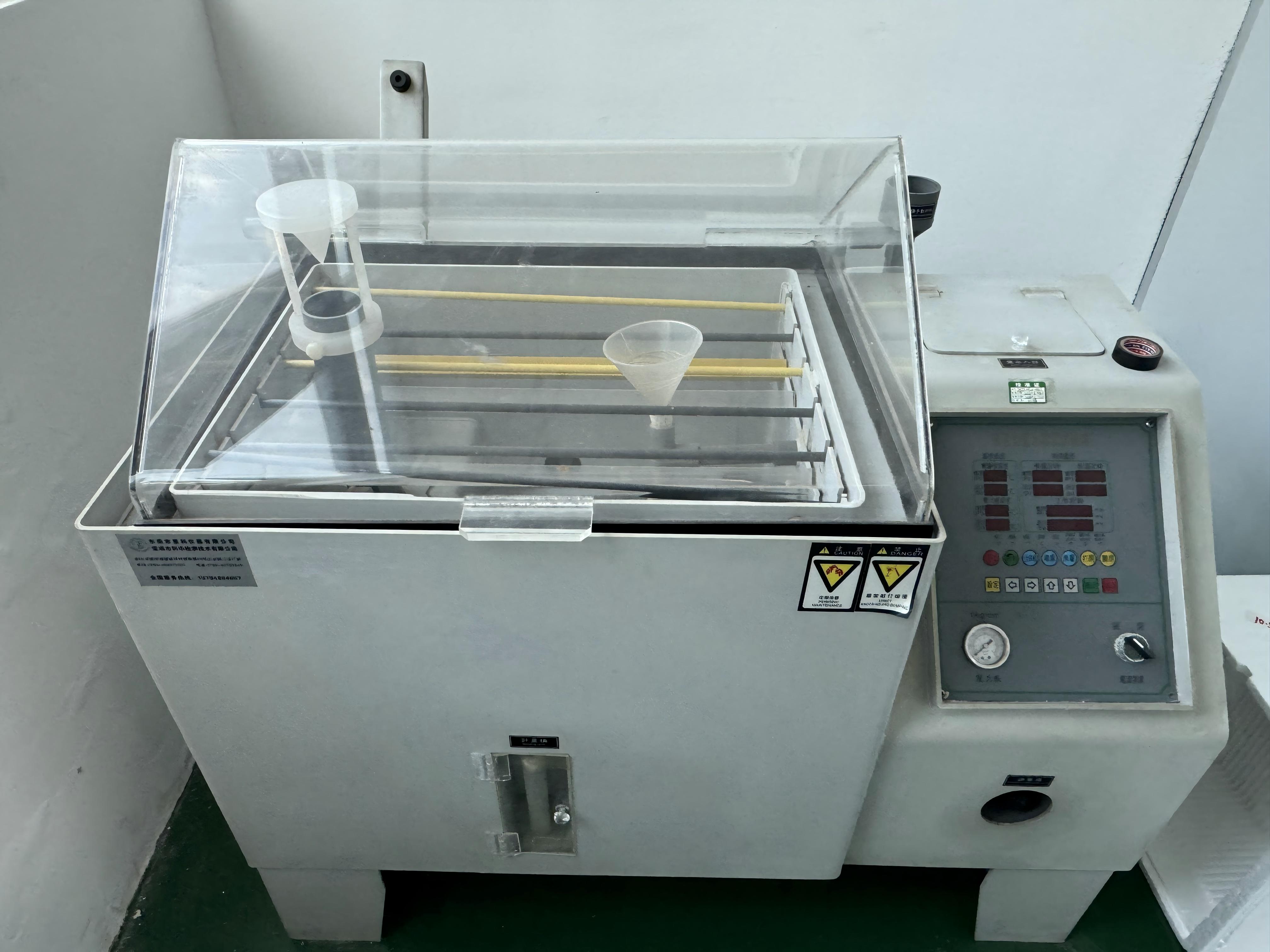
📍Sprays a salty mist to test a product's resistance to rust and corrosion. 📍Relevant Standards : ASTM B117, ISO 9227, IEC 60068-2-11 (Test Ka: Salt Mist), JIS Z 2371.
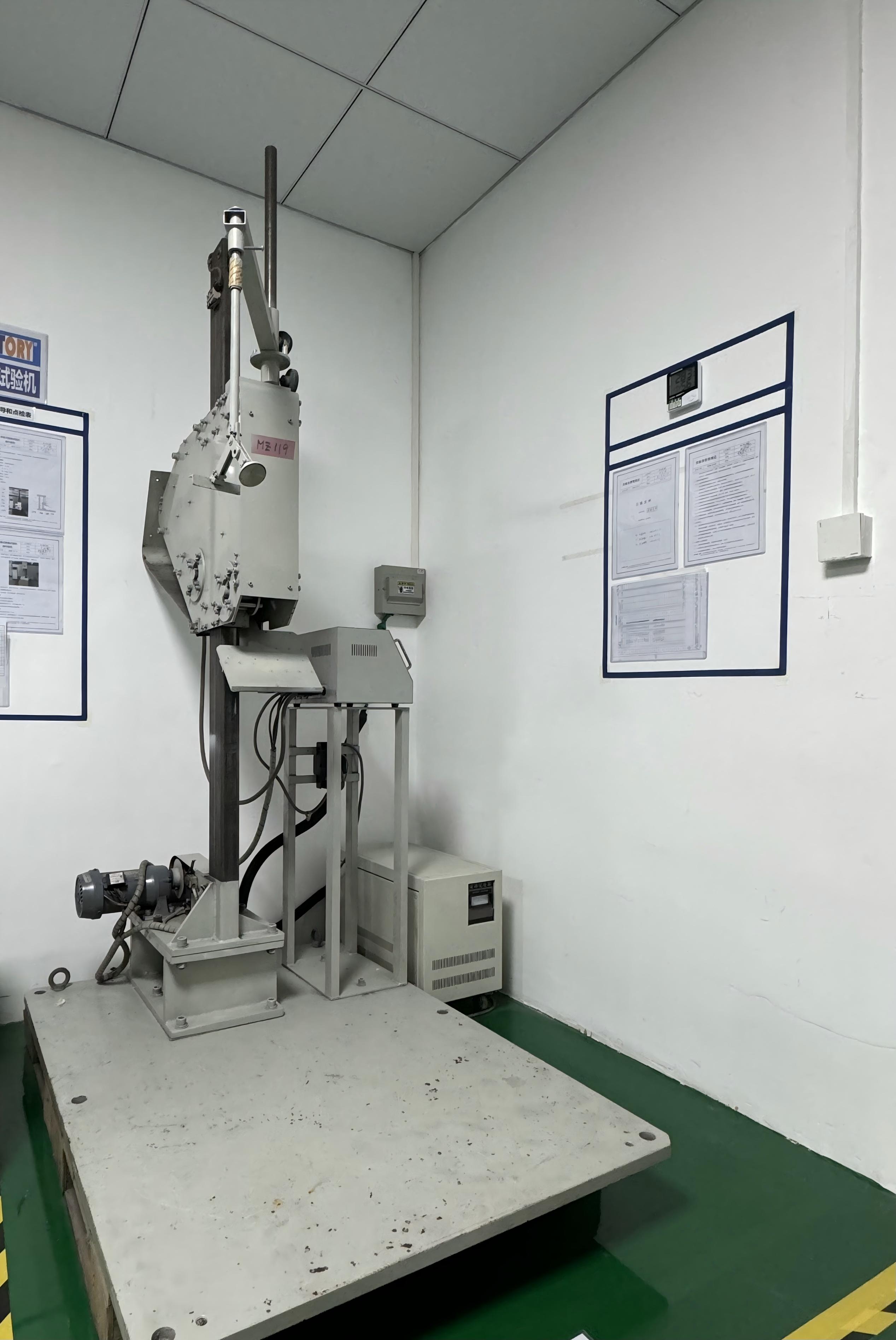
📍Drops products from different angles to check their durability. 📍Relevant Standards : ISO 2248 (Packaging -- Complete, filled transport packages -- Vertical impact test by dropping), ASTM D5276, GB/T 4857.5.
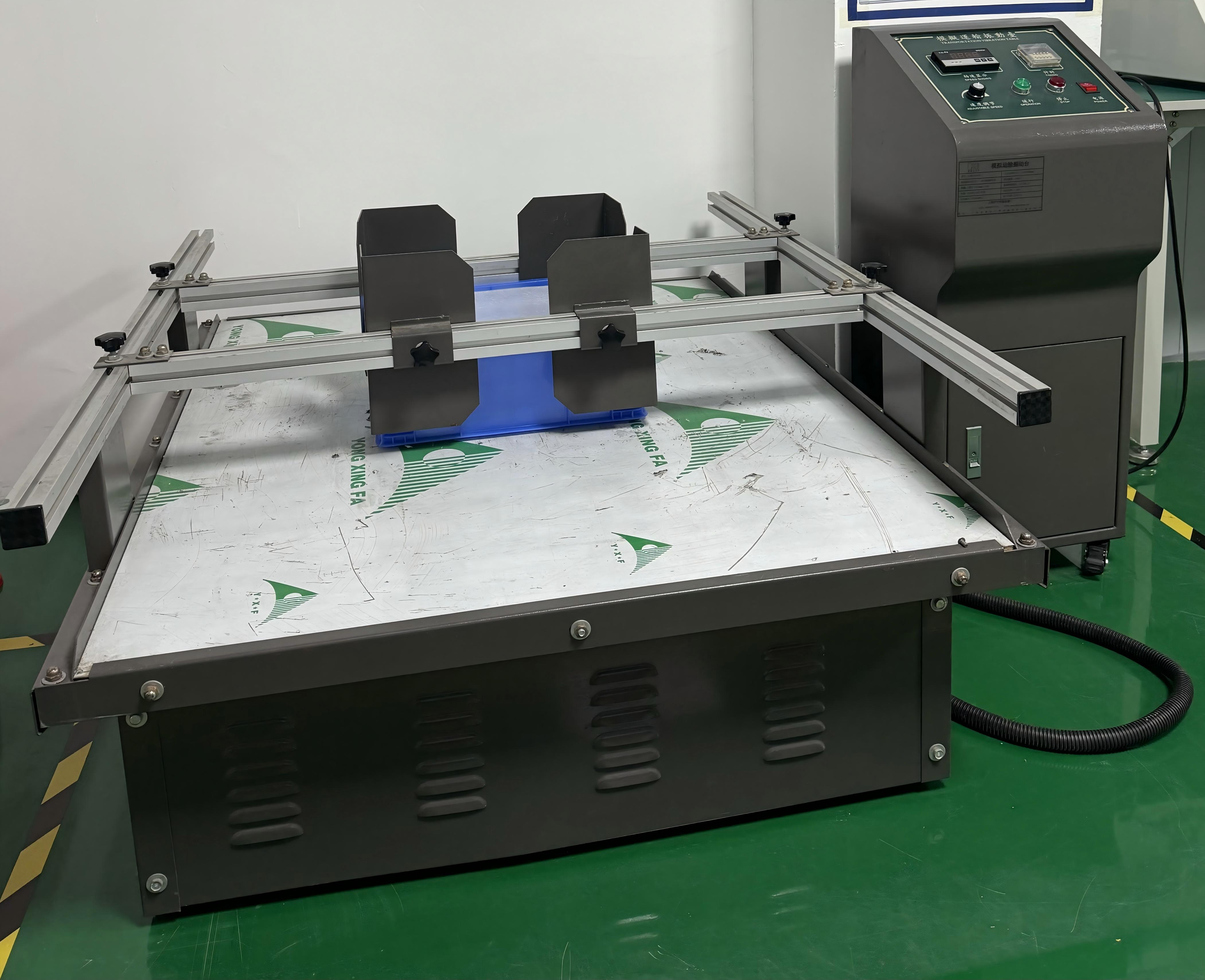
📍Recreates the bumps and shakes of real-world transportation. 📍Relevant Standards : ISTA (International Safe Transit Association) procedures (e.g., 1A, 2A, 3A), ASTM D4169, IEC 60068-2-64 (Vibration, broadband random).
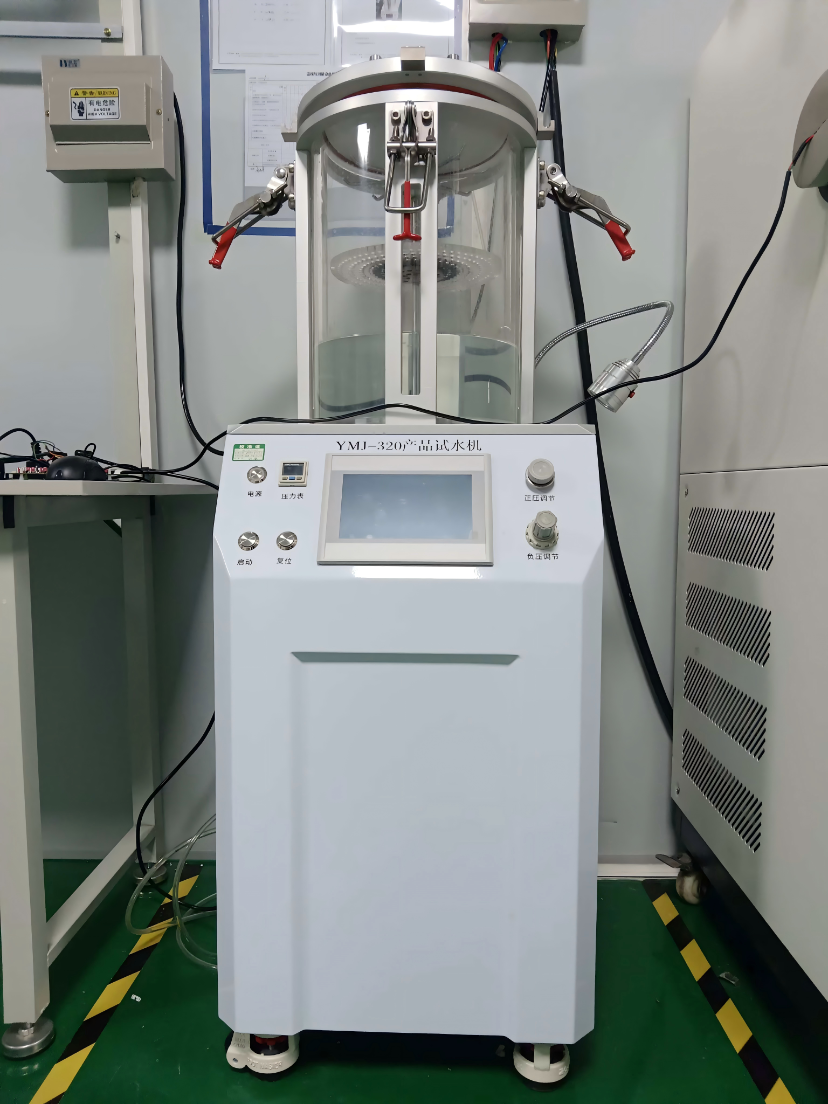
📍Checks if a product can keep water out and stay leak-proof. 📍Relevant Standards : IEC 60529 (Degrees of protection provided by enclosures - IP Code), ISO 20653 (for road vehicles).
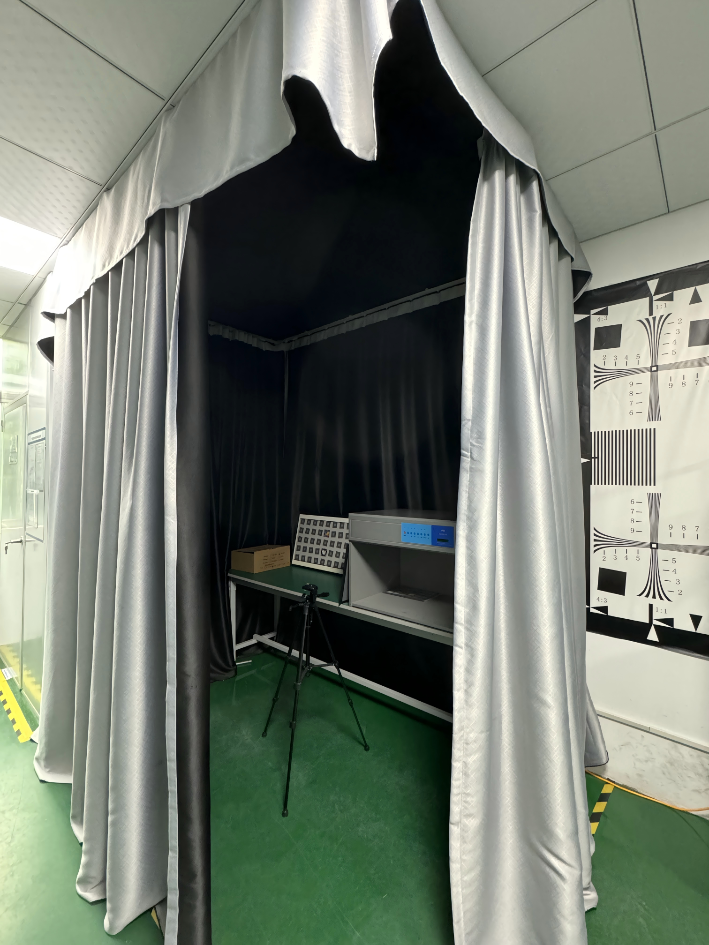
📍Tests the optical properties of products in a completely dark environment. 📍Relevant Standards: Standards vary greatly depending on the product and measurement, but common ones include ISO 12233 (for digital camera resolution).
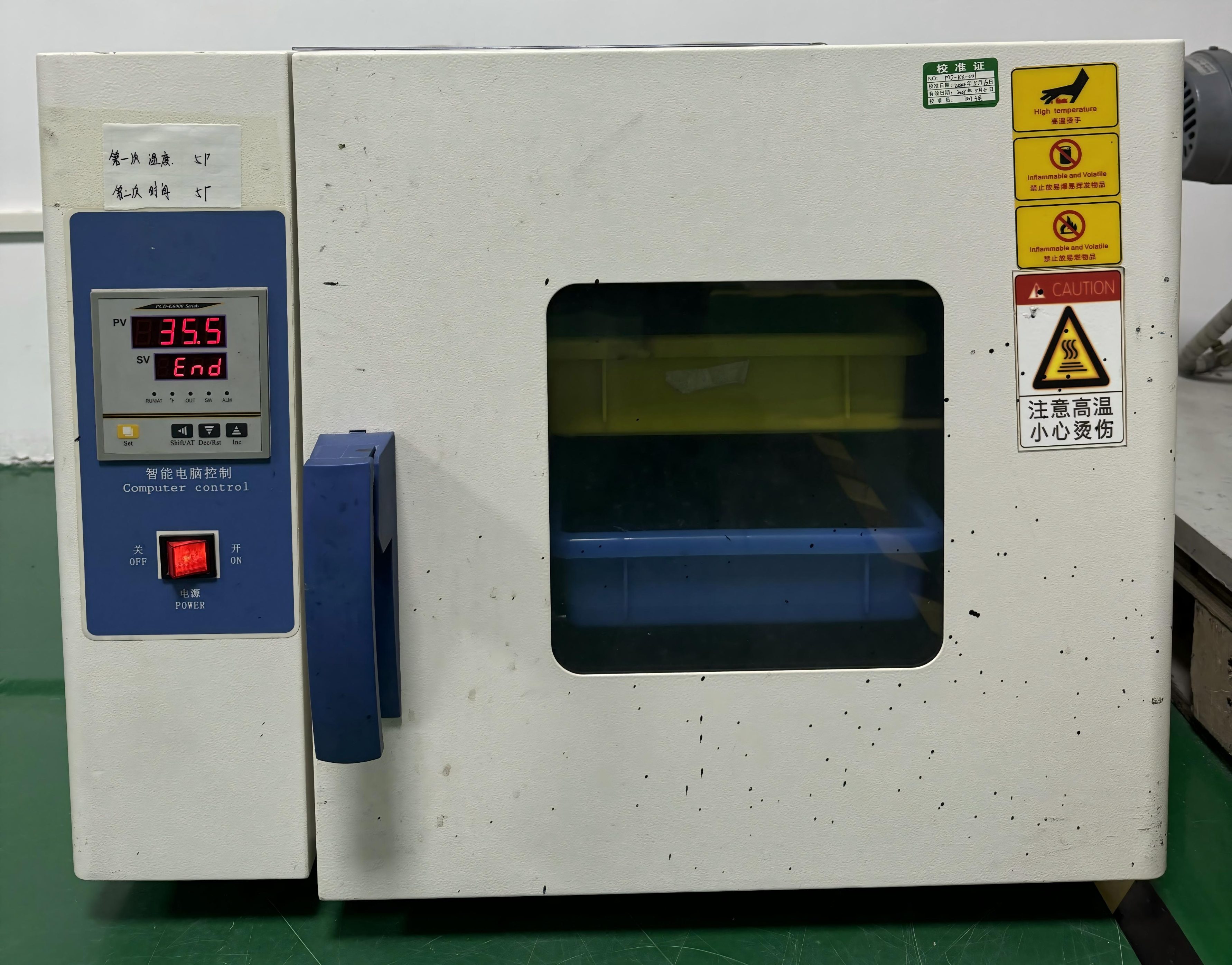
📍Dries or heats samples quickly using hot, circulating air. 📍Relevant Standards : IEC 60068-2-2 (Test B: Dry Heat), GB/T 30435, and various ASTM and ISO material-specific standards (e.g., for soil, paint, or plastics testing).
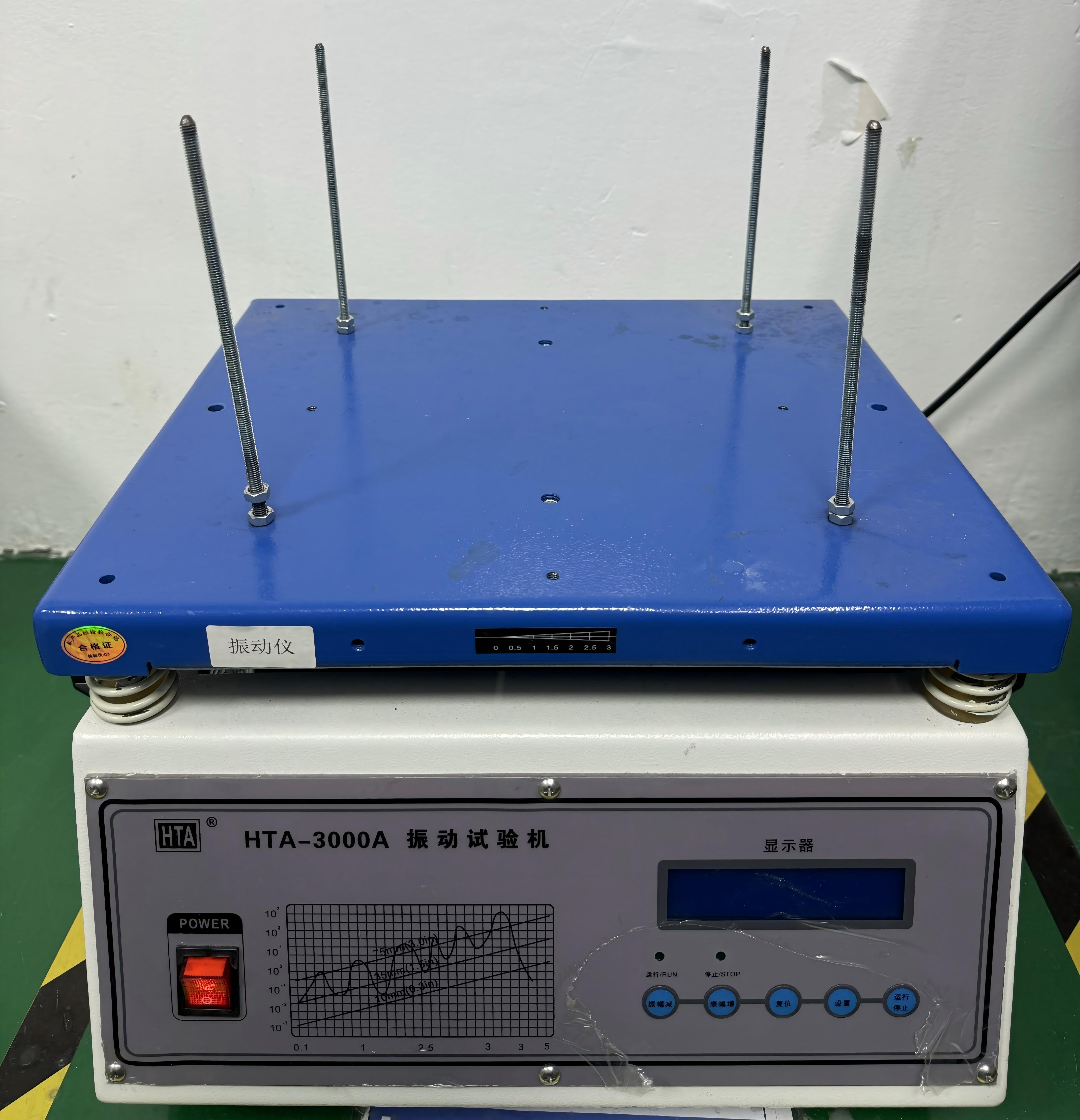
📍Subjects products to various vibrations to ensure they can withstand shaking. 📍Relevant Standards : IEC 60068-2-6 (Test Fc: Vibration (sinusoidal)), IEC 60068-2-64 (Vibration, broadband random), MIL-STD-810 (Method 514).
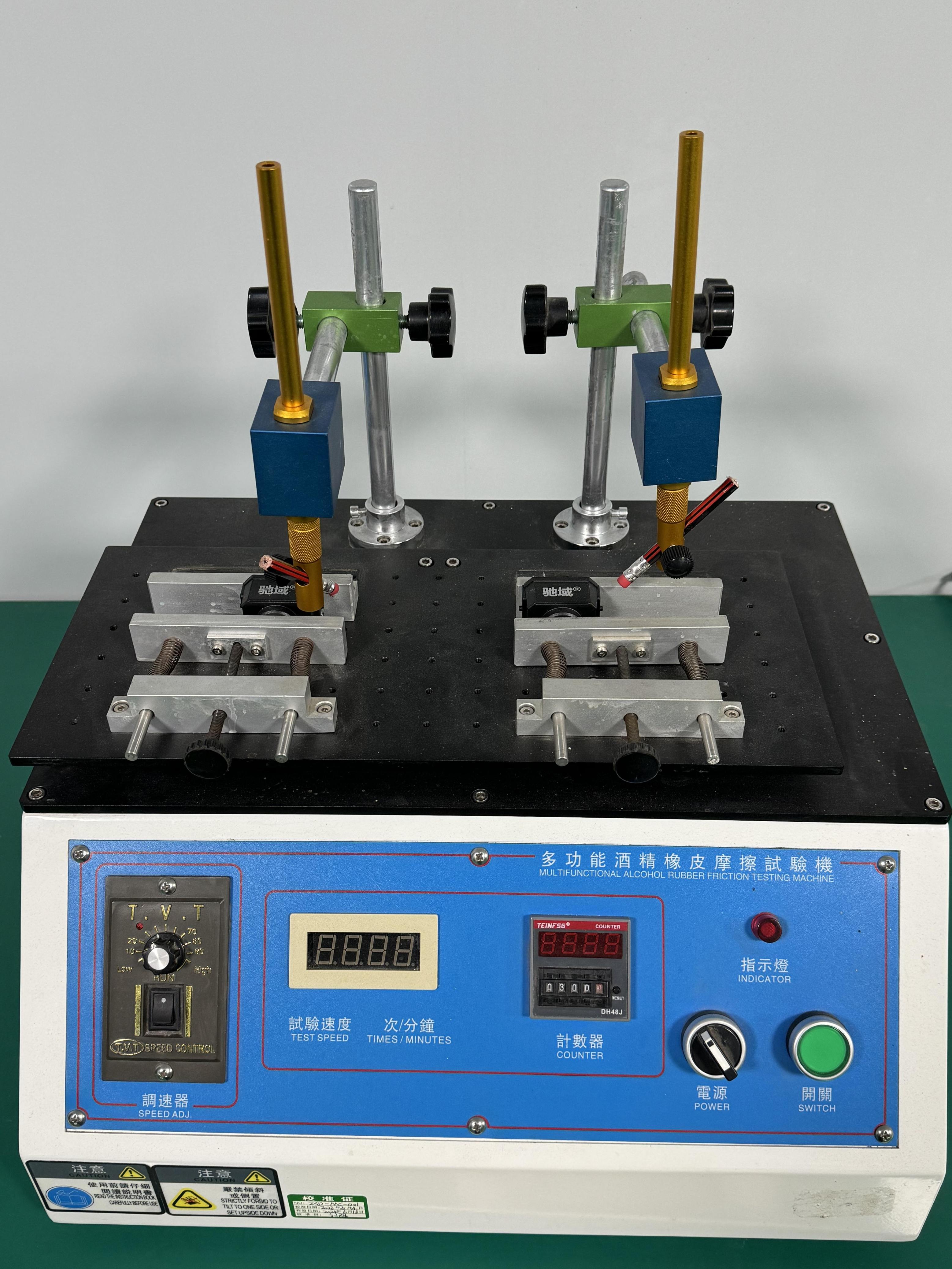
📍Tests how well a surface resists rubbing and alcohol wipes. 📍Relevant Standards: Common standards are often based on internal company specifications or industry-specific tests for printed materials.
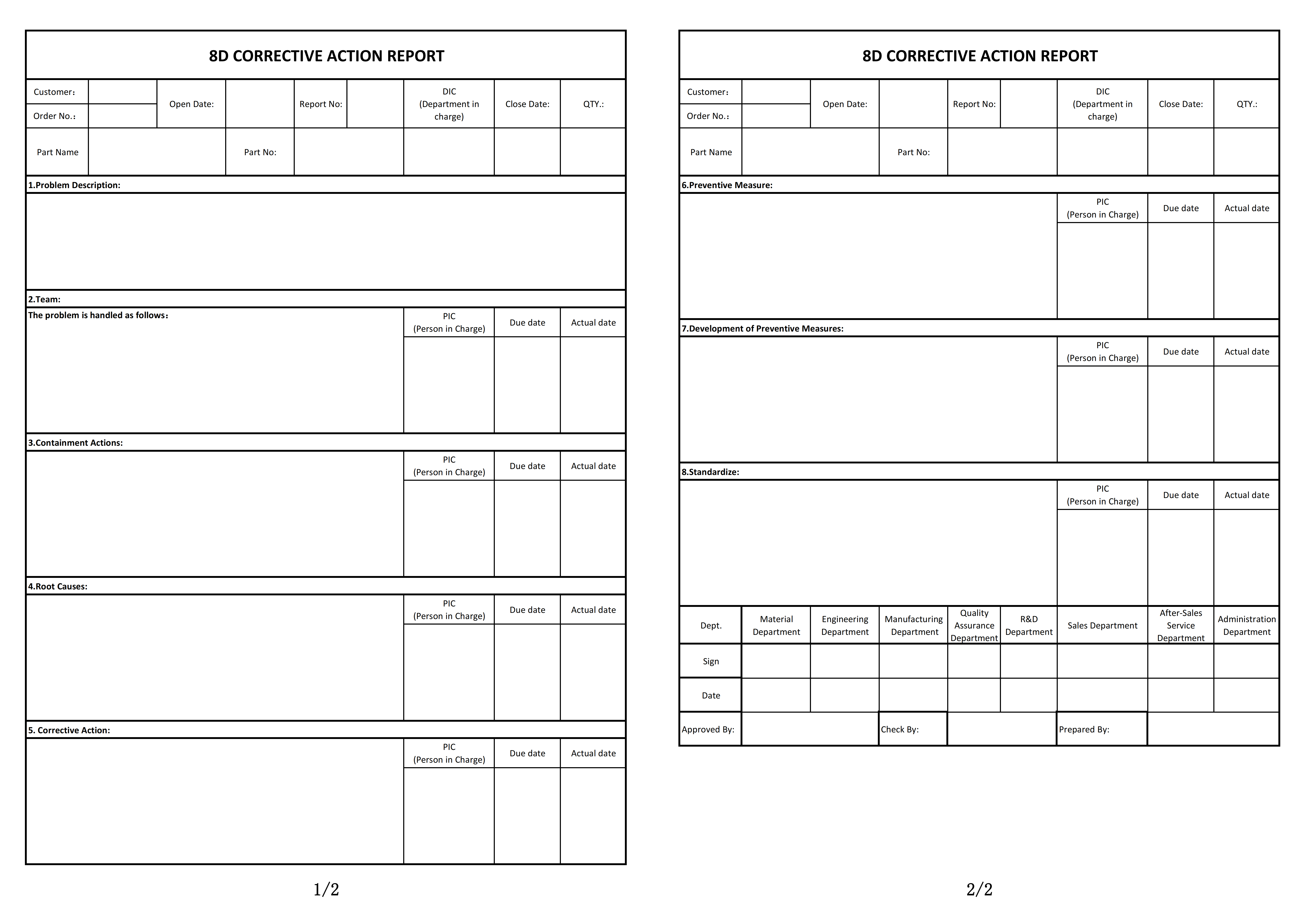
The 8D (Eight Disciplines) Problem Solving Process is a collaborative methodology used to find the root cause of a problem, devise a short-term fix, and implement a long-term solution to prevent the issue from recurring.
It is structured into eight formal steps (plus an initial planning stage) that document the entire lifecycle of a quality issue.
The future of mobility is visual. Join us as we drive the next era of intelligent road safety.