FAQs
4G Dash Cam vs GPS Tracker: Which One Is Better for Fleet Management?
Two popular technologies used for this purpose are 4G dash cams and GPS trackers. But what is the difference, and which solution is better for your business?
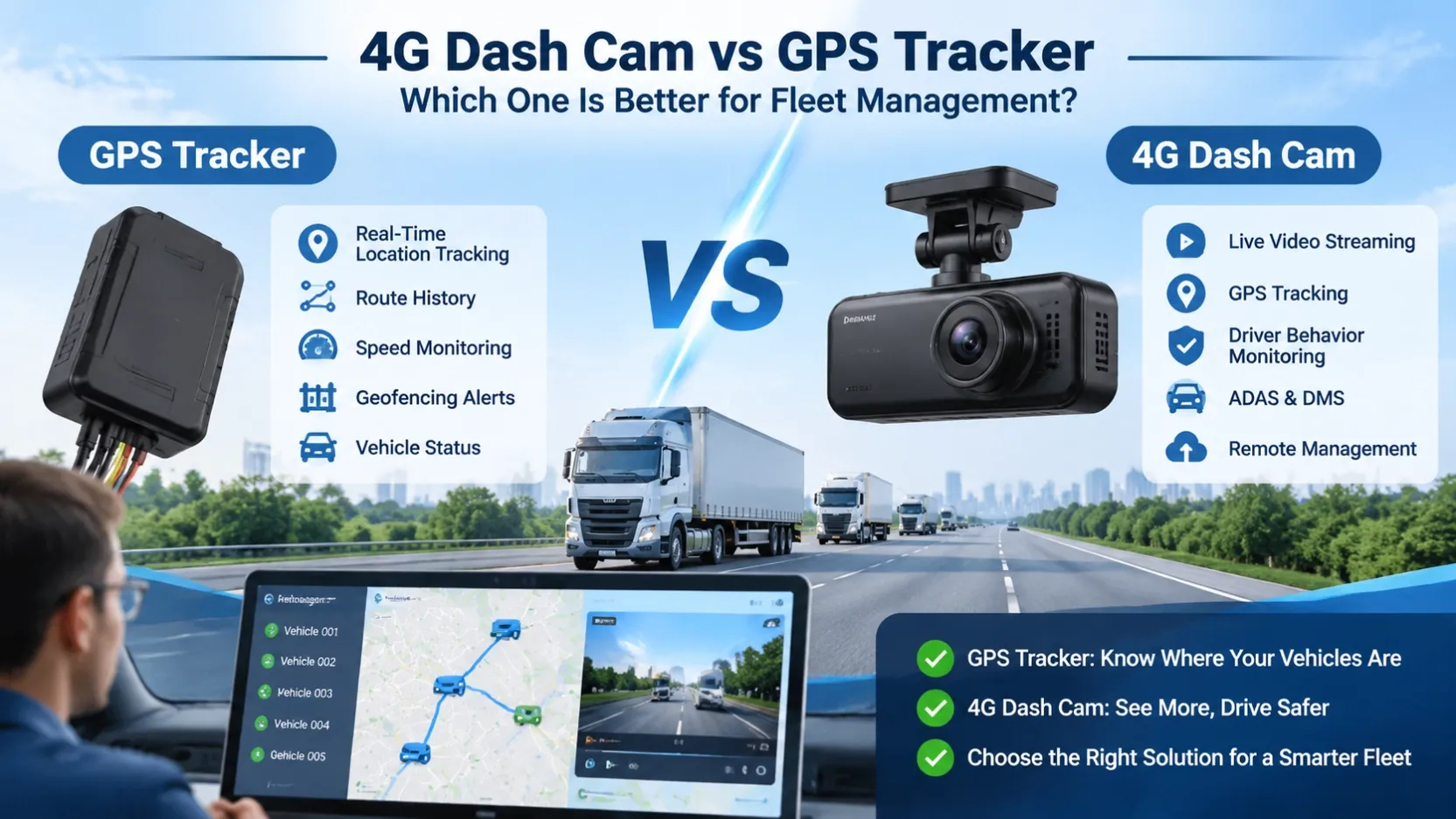
4G Dash Cam vs GPS Tracker: Which One Is Better for Fleet Management?
Managing a fleet of vehicles requires more than knowing where your vehicles are. Fleet managers also need to monitor driving behavior, improve road safety, and protect valuable assets. Two popular technologies used for this purpose are 4G dash cams and GPS trackers. But what is the difference, and which solution is better for your business?
1. What Is a GPS Tracker?
A GPS tracker is a device that uses Global Positioning System technology to determine a vehicle's location. It typically transmits location data through a cellular network, allowing fleet managers to monitor vehicles remotely.
Common GPS tracking features include:
- Real-time vehicle location and route tracking.
- Speed monitoring and overspeed alerts.
- Historical route records and trip reports.
- Geofencing notifications.
- Vehicle movement and ignition status monitoring.
GPS trackers are suitable for businesses that mainly need vehicle location tracking, route management, and fleet utilization analysis.
2. What Is a 4G Dash Cam?
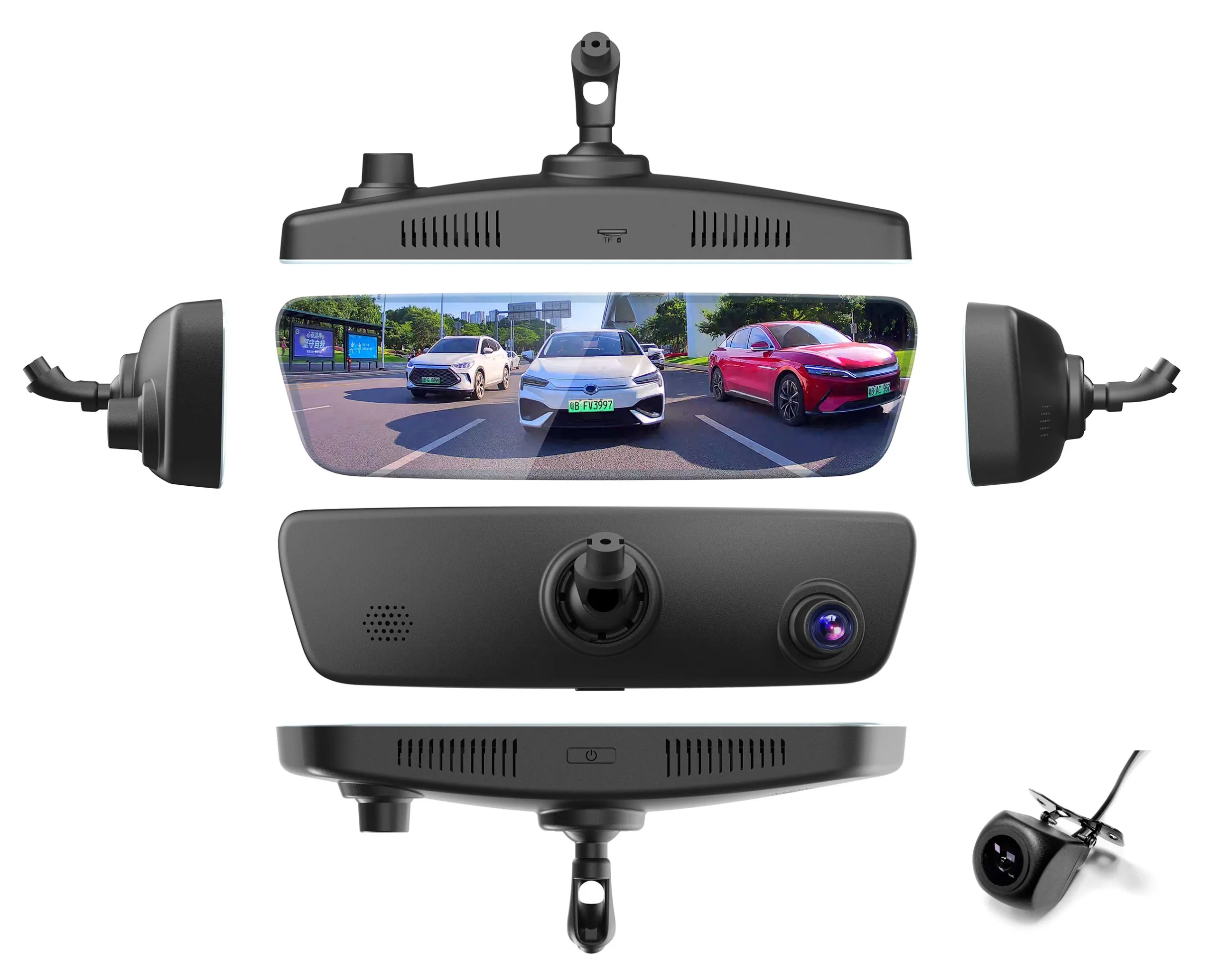
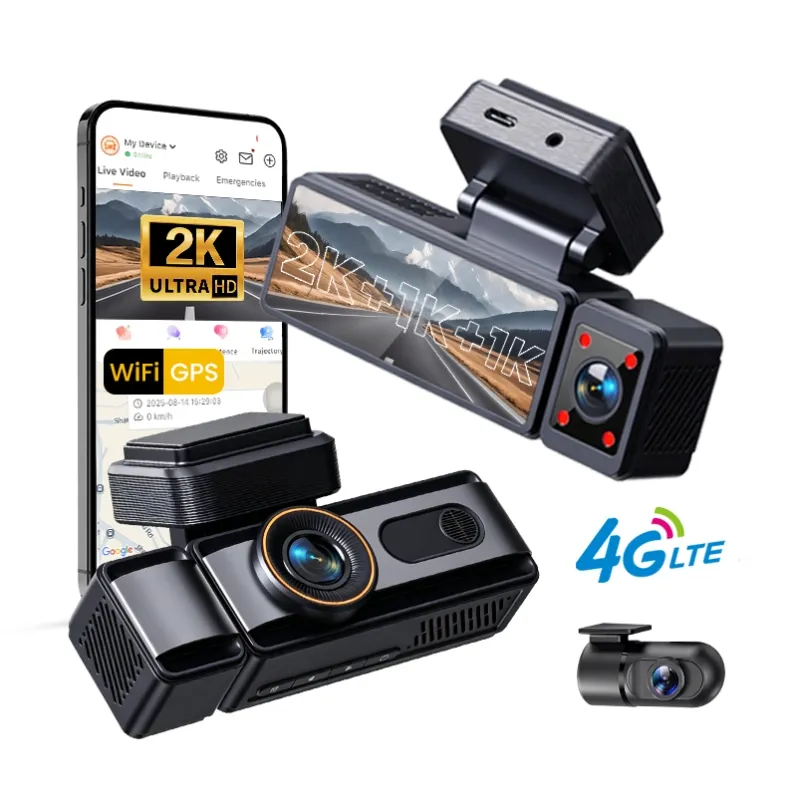
A 4G dash cam combines video recording, GPS positioning, and cellular connectivity in one device. Unlike traditional dash cameras, it allows fleet managers to access vehicle information and video footage remotely through a cloud-based platform.
Typical features include:
- Live video streaming and remote video playback.
- GPS tracking and vehicle location monitoring.
- Real-time driving event notifications.
- Driver behavior monitoring.
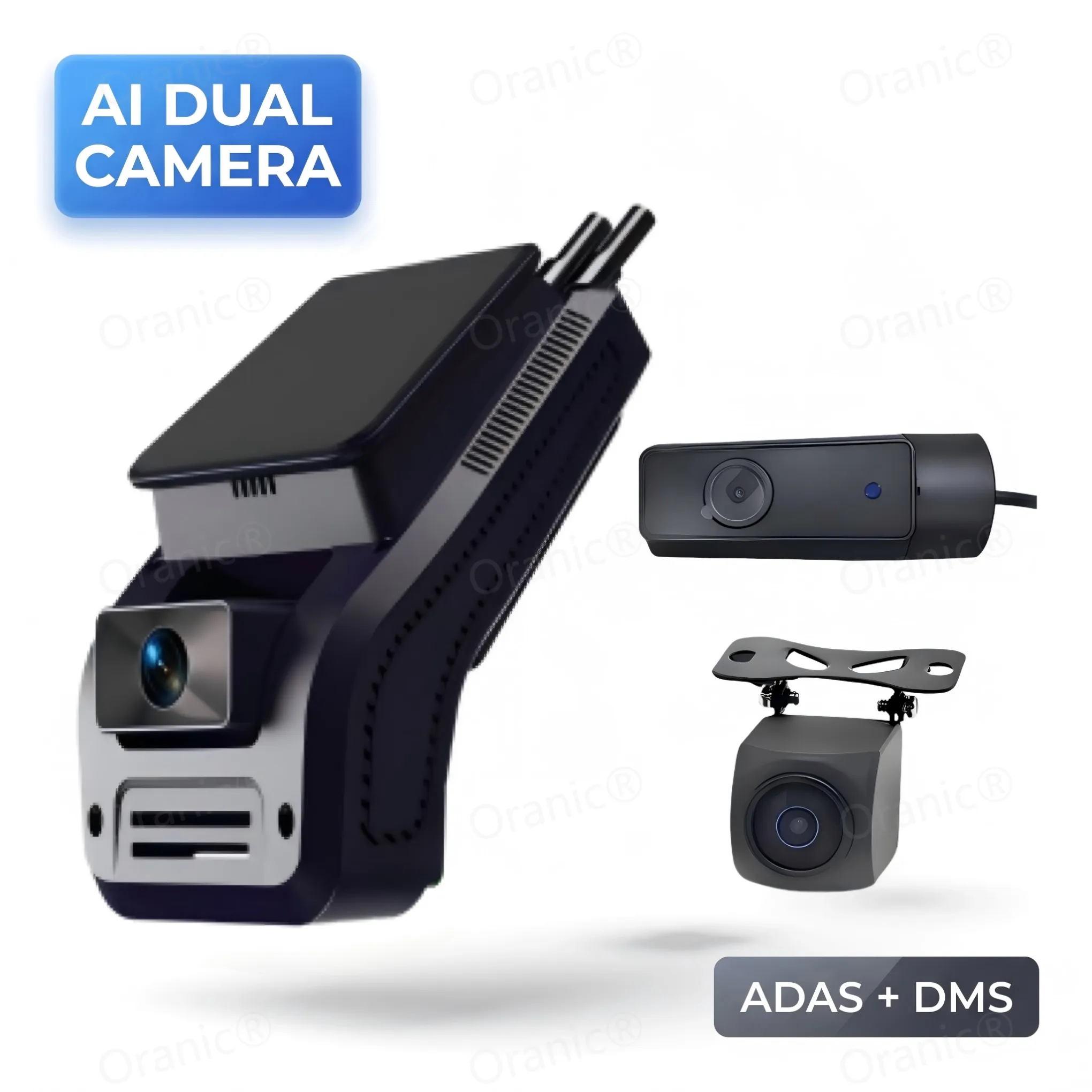
- ADAS and DMS safety alerts.
- Remote fleet management through a mobile app or web platform.
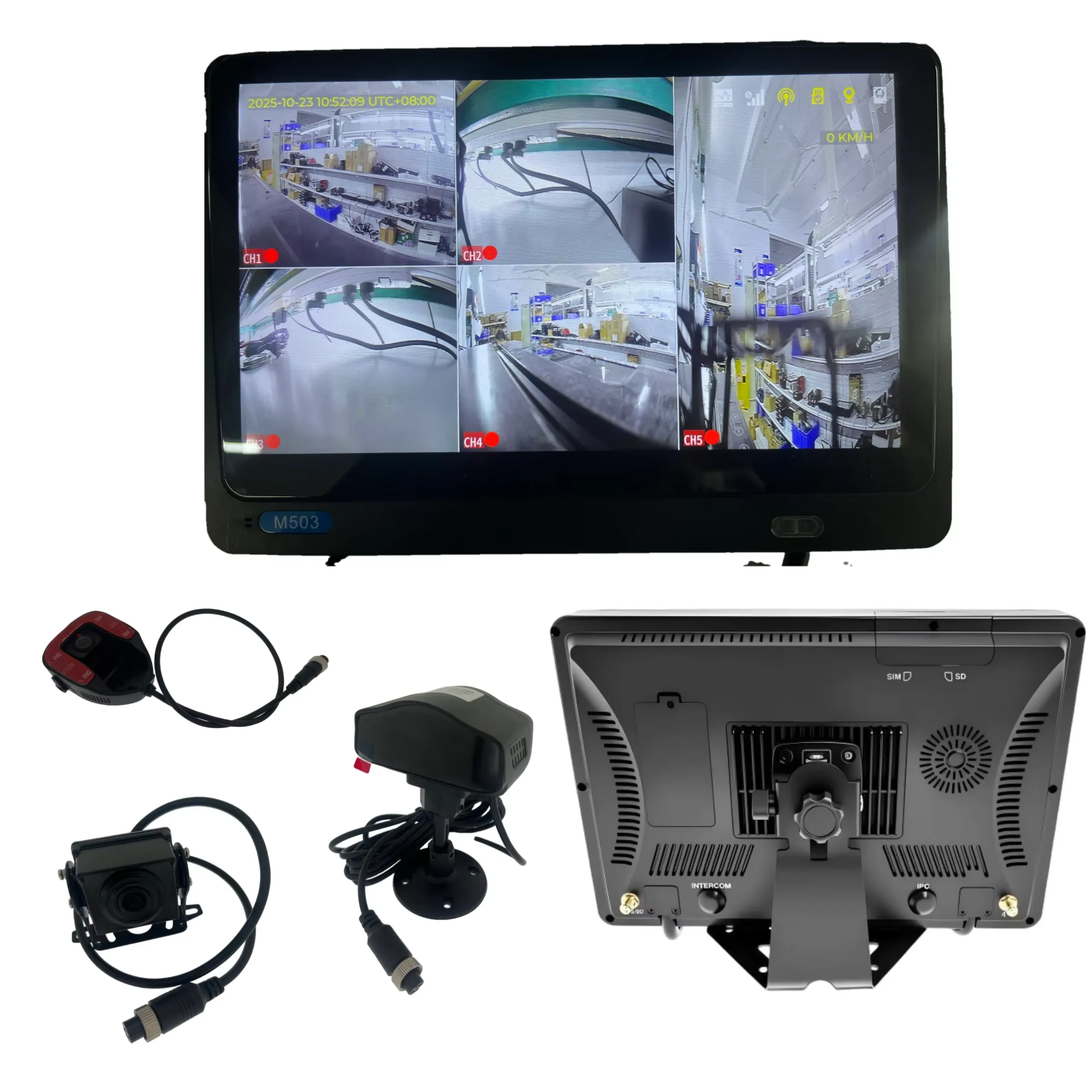
Some advanced 4G fleet dash cams also support multiple camera channels, allowing businesses to monitor the road, driver cabin, and other vehicle areas simultaneously.
3. 4G Dash Cam vs GPS Tracker: Key Differences
Features | GPS Tracker | 4G Dash Cam |
|---|---|---|
Real-time GPS tracking | Yes | Yes |
Route history | Yes | Yes |
Speed monitoring | Yes | Yes |
Live video streaming | Usually No | Yes |
Video recording | No | Yes |
Driver behavior monitoring | Limited | Advanced options |
ADAS / DMS | No | Available |
Remote video playback | No | Yes |
The main difference is visibility. A GPS tracker tells you where your vehicles are, while a 4G dash cam helps you understand what is happening inside and around them.
4. Which Solution Should Your Fleet Choose?
If your business only needs vehicle location tracking, route history, and basic fleet management, a GPS tracker may be sufficient.
However, if you operate trucks, buses, taxis, delivery vehicles, or other commercial fleets, a 4G dash cam offers additional benefits. It provides video evidence, supports driver safety management, and helps fleet managers investigate incidents more efficiently.
For businesses with higher safety requirements, choosing a 4G dash cam with ADAS, DMS, and BSD features can provide even more comprehensive protection.
Conclusion
Both GPS trackers and 4G dash cams play important roles in fleet management. However, they serve different purposes. GPS trackers focus on vehicle location, while 4G dash cams combine tracking, video surveillance, and driver safety monitoring.
For modern commercial fleets that require greater visibility and control, a 4G fleet dash cam can be a more comprehensive solution. The right choice ultimately depends on your operational needs, safety requirements, and budget.