Sep 4, 2026FAQs
4K vs 2K Dash Cam: Which Resolution Is Right for You?
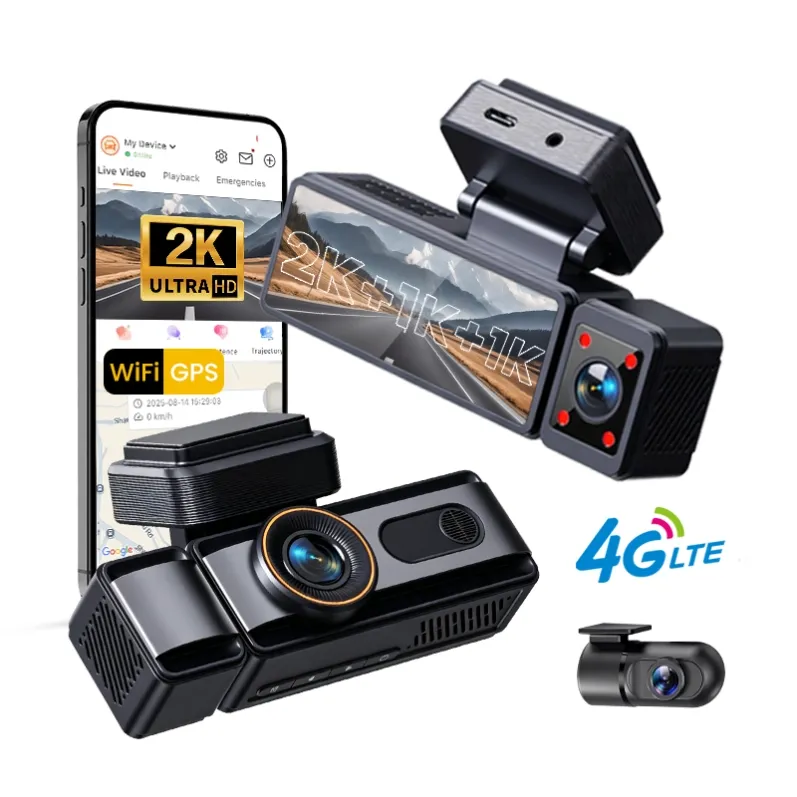
Resolution directly impacts how clearly your dash cam captures critical road details, but higher isn't always better for every user. Here is how 4K and 2K stack up in real-world driving scenarios.
4K vs 2K Dash Cam: Which Resolution Is Right for You?
Resolution directly impacts how clearly your dash cam captures critical road details, but higher isn't always better for every user. Here is how 4K and 2K stack up in real-world driving scenarios.
4K Dash Cams: Maximum Detail for High-Risk Driving
Recording at 3840 × 2160 pixels, 4K gives you four times the pixels of standard 1080p.
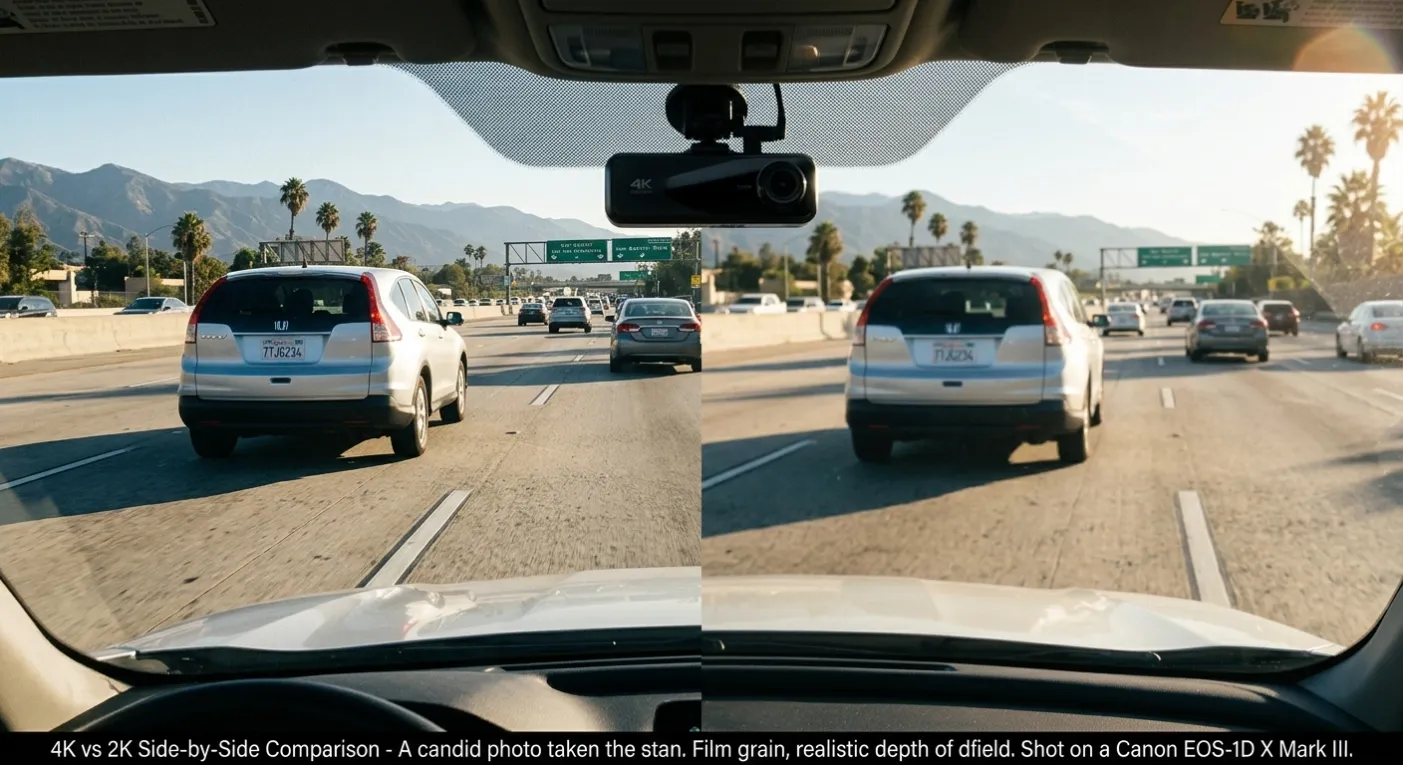
- Where it excels: Capturing license plates at high speeds, reading distant road signs, and allowing crop-in zoom without heavy pixelation during accident investigations.
- Trade-offs: Requires high-speed (U3/V30), high-capacity microSD cards and creates significantly larger video files. Units also run warmer and carry a higher price tag.
- Best for: Highway commuters, long-haul drivers, and commercial users who need indisputable visual evidence.
2K Dash Cams: The Everyday Workhorse
Operating at 2560 × 1440 pixels (1440p), 2K bridges the gap between Full HD and 4K.
- Where it excels: Sharp enough for clear license plate capture in most city driving while keeping storage demands manageable.
- Trade-offs: Less digital headroom when zooming in on distant objects compared to 4K.
- Best for: Daily commuting, rideshare drivers, and budget-conscious buyers seeking reliable coverage without upgrading their storage setup.
Quick Comparison
Feature | 4K Dash Cam | 2K Dash Cam |
Resolution | 3840 × 2160 | 2560 × 1440 |
License Plate Capture | Pinpoint clarity, even at distance/speed | Clear at close-to-medium range |
Storage Consumption | ~300–400 MB / min | ~150–200 MB / min |
Card Requirement | High-end Endurance (U3 / V30) | Standard Endurance (U1 / Class 10+) |
Ideal Application | Highways, fleet risk management | Daily commutes, urban driving |
The Bottom Line
- Choose 4K if pixel-level clarity and long-distance plate identification are non-negotiable.
- Choose 2K if you want clean video, lower storage overhead, and a solid price-to-performance ratio.
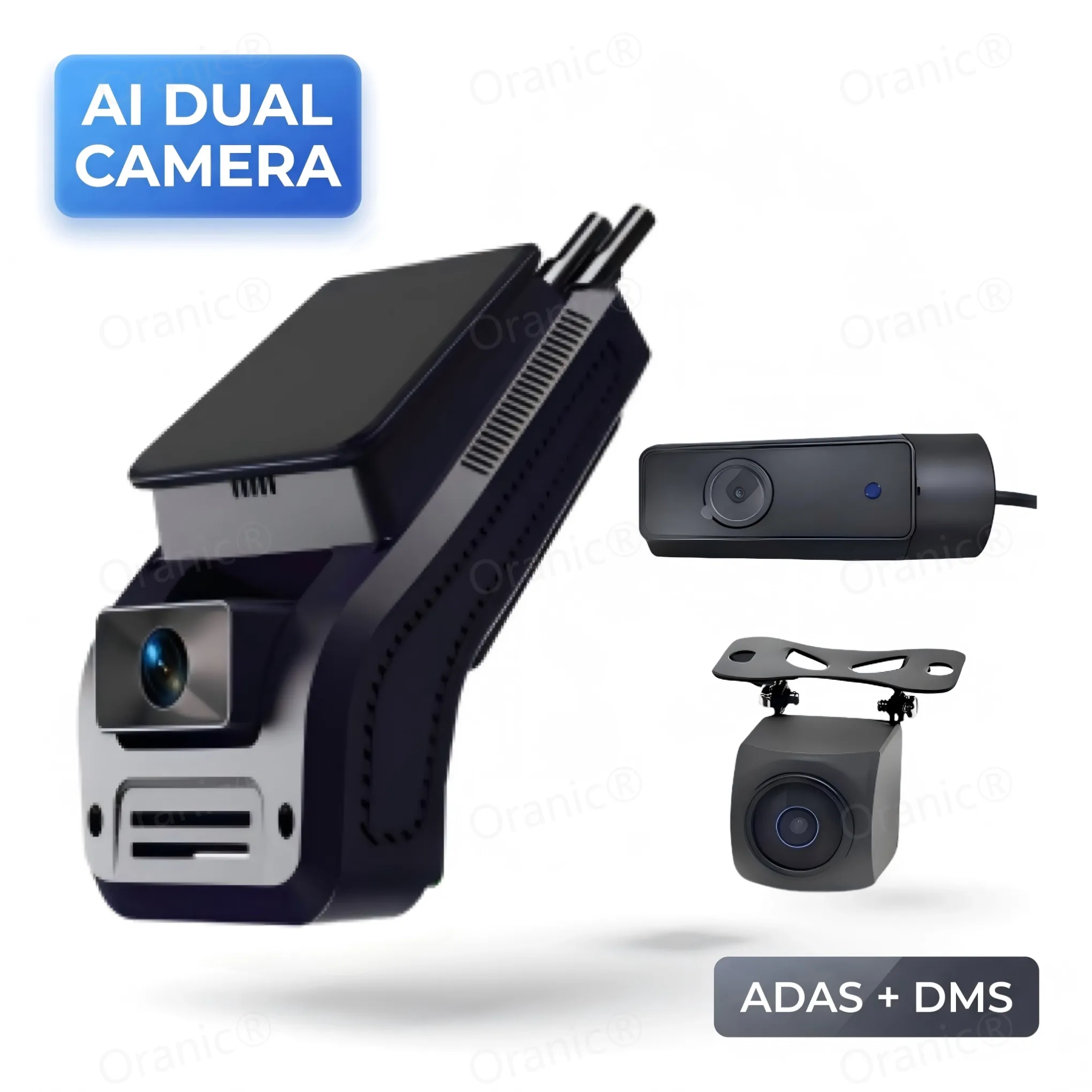
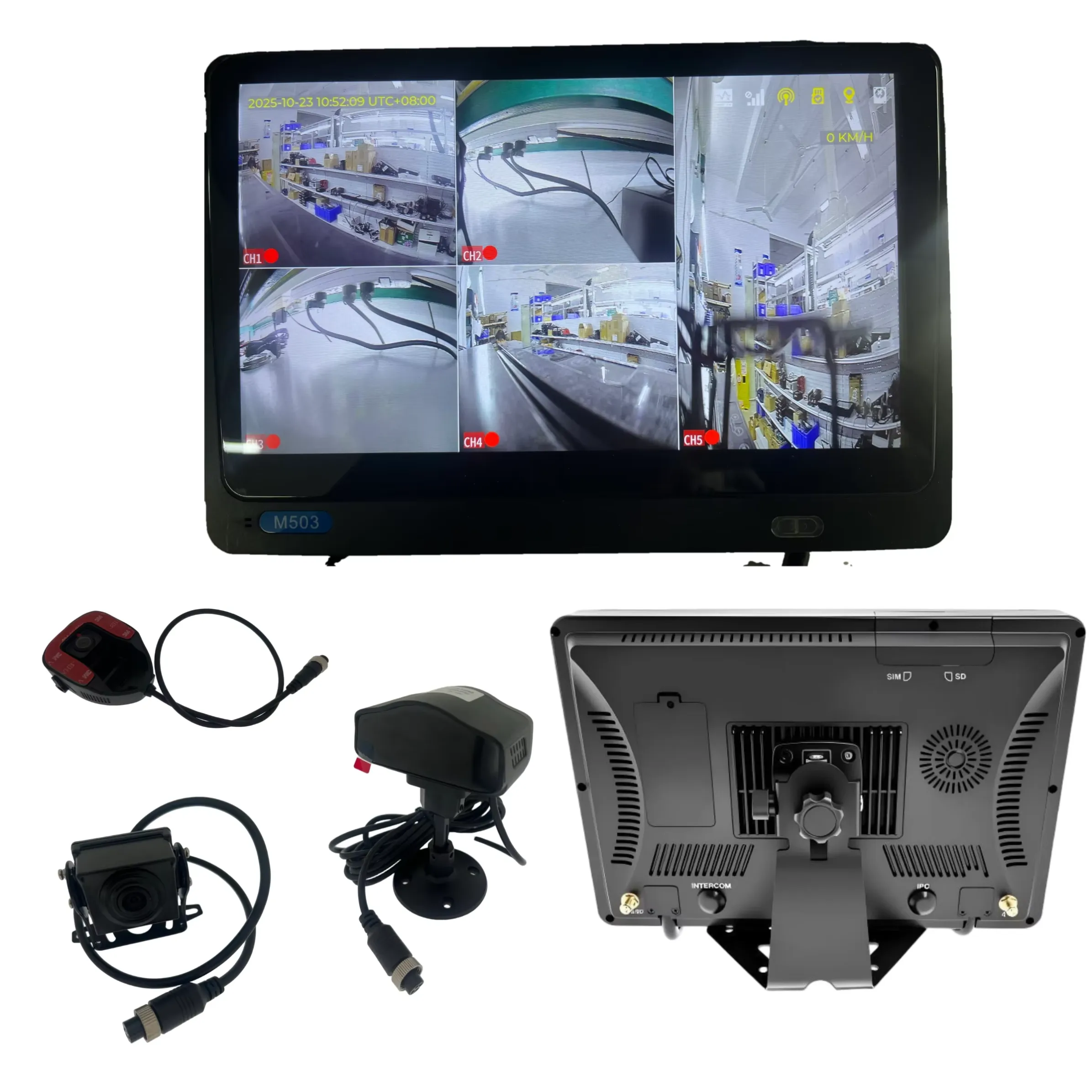
Note for Fleet Managers: Resolution is only one piece of the puzzle. Frame rate (FPS), low-light sensor quality, HDR performance, and integrations like 4G telematics, AI-ADAS, or DMS often play a far more decisive role in overall road safety and liability protection.