Oct 23, 2026FAQs
ADAS vs DMS vs BSD: What's the Difference?
Although they all improve road safety, each serves a different purpose. Understanding the difference between ADAS vs DMS vs BSD can help businesses choose the right dash cam for their fleet.
ADAS vs DMS vs BSD: What's the Difference?
Modern vehicle safety technology helps drivers reduce risks, improve awareness, and prevent accidents. Three common technologies in intelligent dash cams and fleet management systems are ADAS, DMS, and BSD. Although they all improve road safety, each serves a different purpose. Understanding the difference between ADAS vs DMS vs BSD can help businesses choose the right dash cam for their fleet.
What Is ADAS?
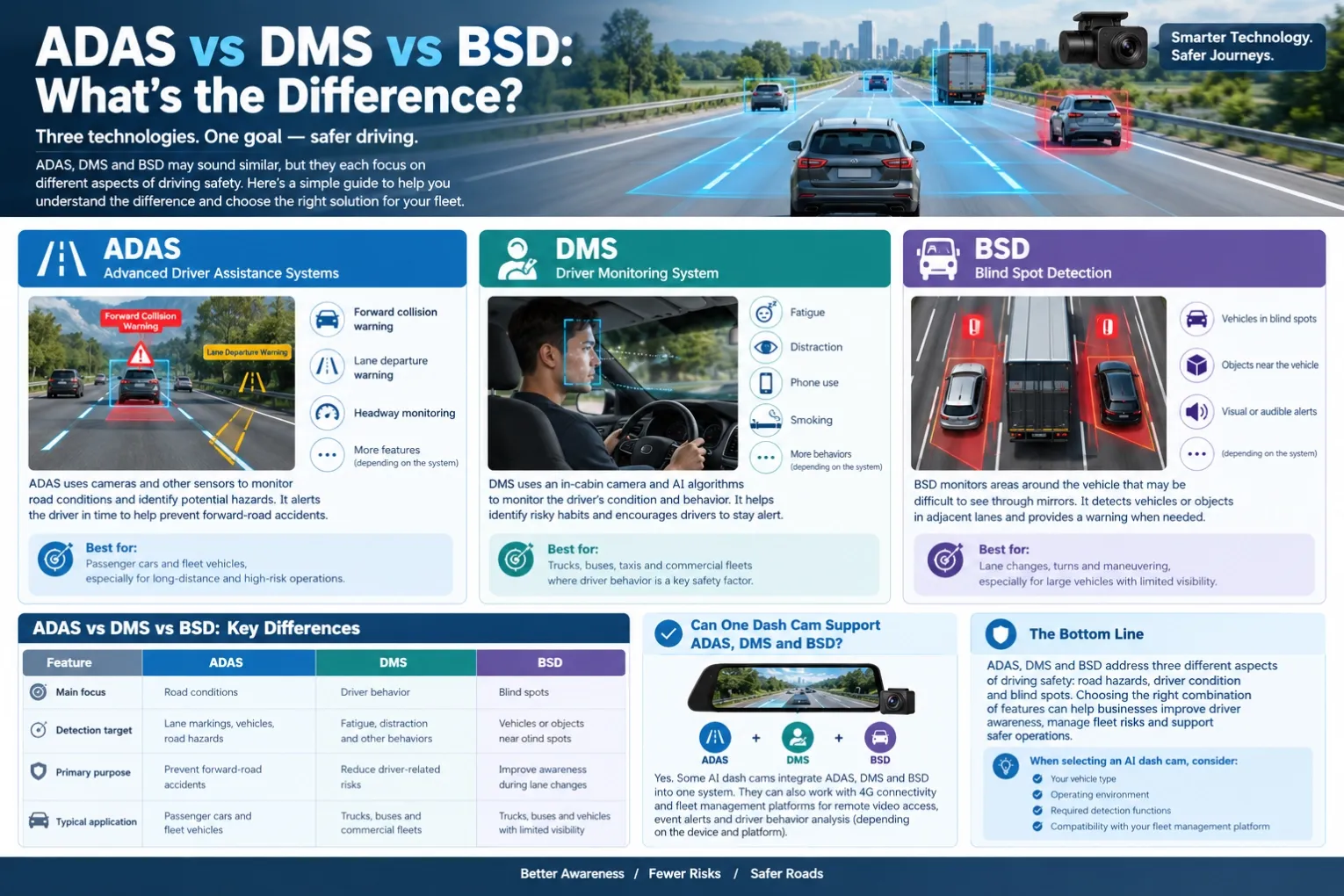
ADAS stands for Advanced Driver Assistance Systems. It uses cameras and other sensors to monitor road conditions and identify potential hazards.
Common ADAS features include forward collision warnings, lane departure warnings, and headway monitoring. When the system detects a potential collision or unsafe driving condition, it alerts the driver so they can respond in time.
ADAS is especially useful for commercial vehicles, long-distance transportation, and fleet operations where preventing accidents is a priority.
What Is DMS?
DMS stands for Driver Monitoring System. Unlike ADAS, which focuses on the road, DMS monitors the driver's condition and behavior.
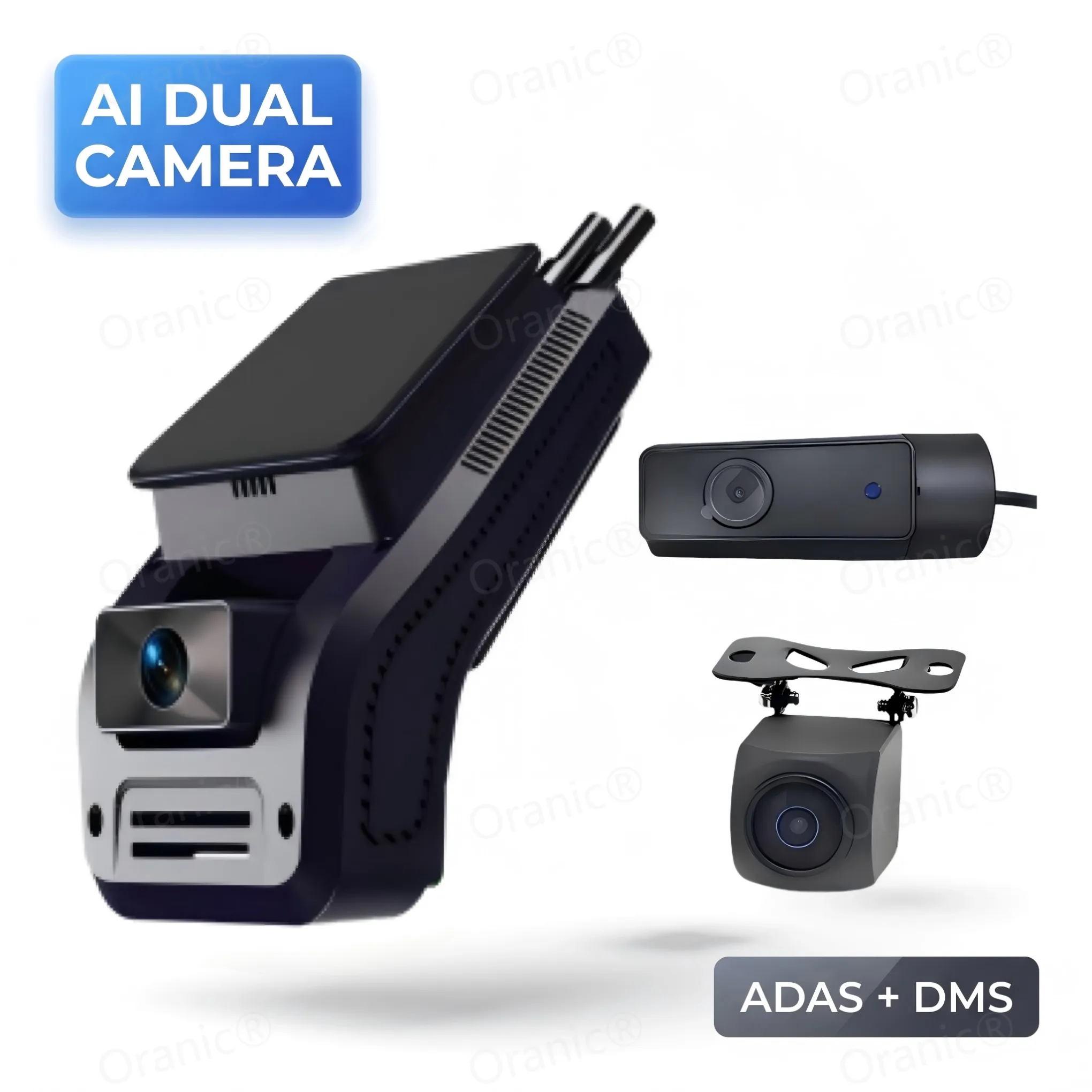
Using an in-cabin camera and AI algorithms, a DMS-equipped dash cam can detect signs of driver fatigue, distraction, smoking, phone use, and other predefined behaviors, depending on the system's capabilities.
DMS helps fleet managers identify risky driving habits and encourages drivers to stay alert. It is particularly valuable for trucks, buses, taxis, and logistics fleets.
What Is BSD?
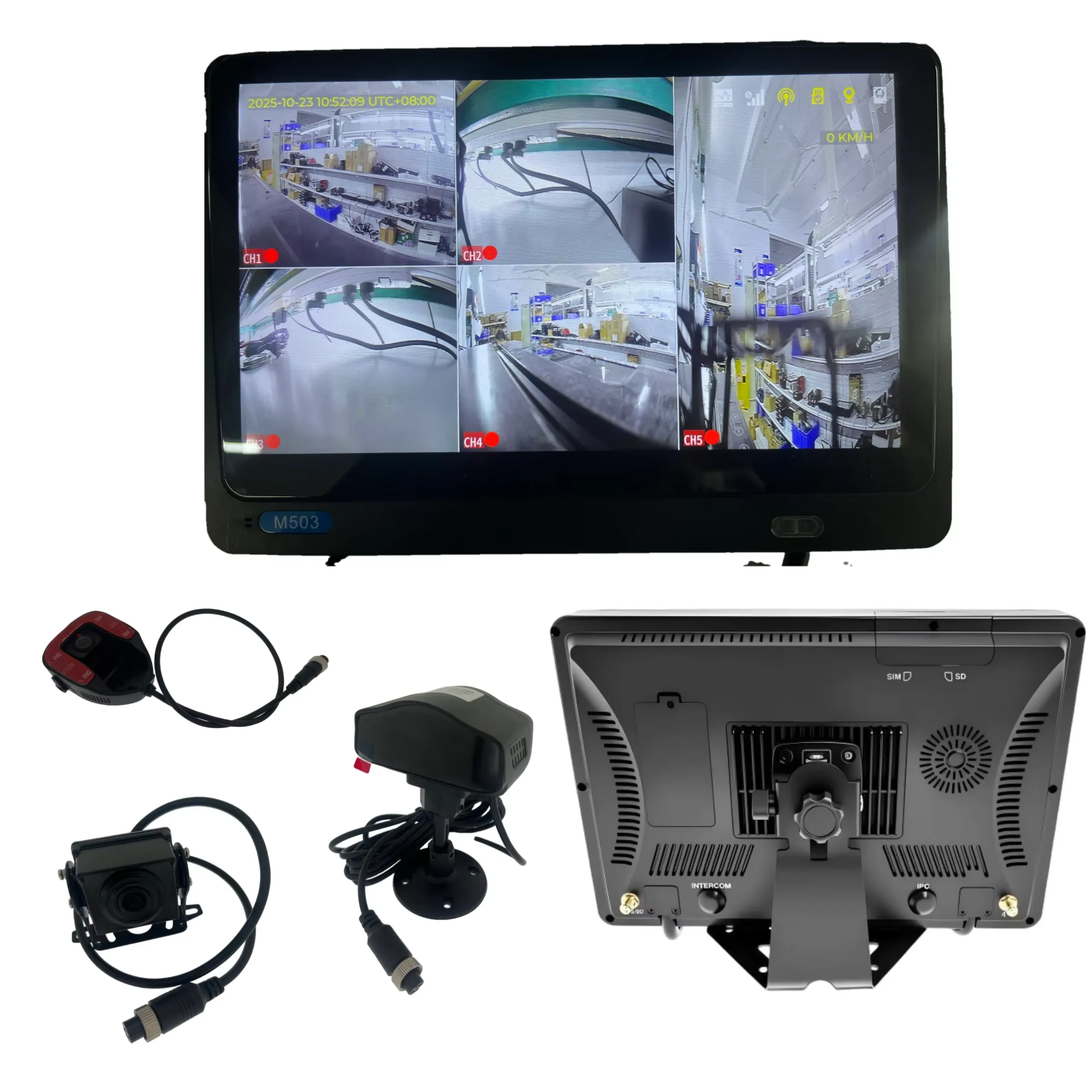
BSD stands for Blind Spot Detection. This technology monitors areas around a vehicle that may be difficult for the driver to see through mirrors.
Depending on the system design, BSD may use cameras, radar, or other sensors to detect vehicles or objects in adjacent lanes. When a potential hazard is detected, the system provides a visual or audible warning.
BSD is especially helpful when changing lanes, turning, or maneuvering large commercial vehicles with significant blind spots.
ADAS vs DMS vs BSD: Key Differences
Feature | ADAS | DMS | BSD |
|---|---|---|---|
Main focus | Road conditions | Driver behavior | Blind spots |
Detection target | Lane markings, vehicles, road hazards | Fatigue, distraction, and other behaviors | Vehicles or objects near blind spots |
Primary purpose | Prevent forward-road accidents | Reduce driver-related risks | Improve awareness during lane changes |
Typical application | Passenger cars and fleet vehicles | Trucks, buses, and commercial fleets | Trucks, buses, and vehicles with limited visibility |
Can One Dash Cam Support ADAS, DMS, and BSD?
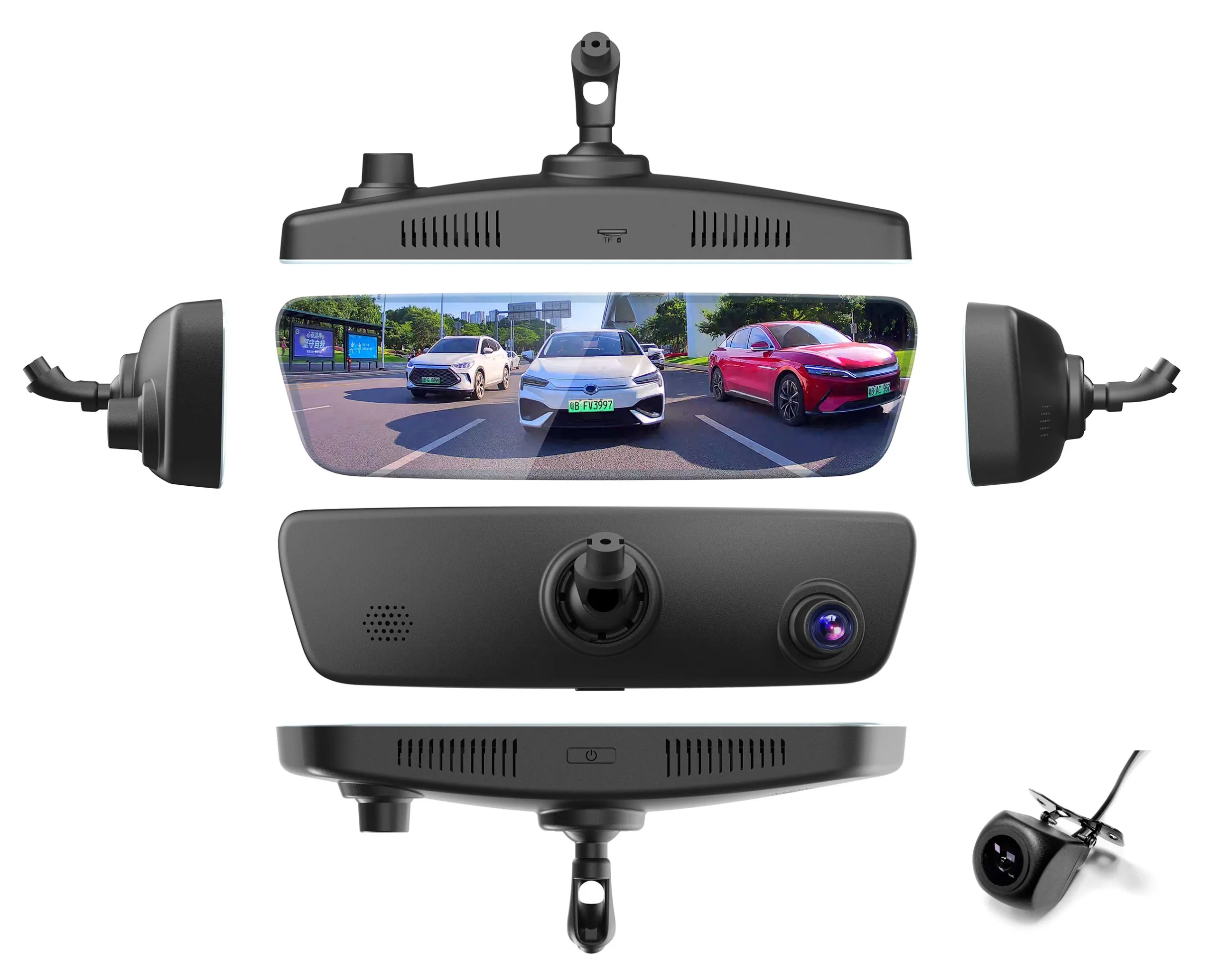
Yes. Some AI dash cams integrate ADAS, DMS, and BSD into one system. By monitoring the road ahead, the driver inside the cabin, and surrounding blind spots, these devices provide more comprehensive safety assistance.
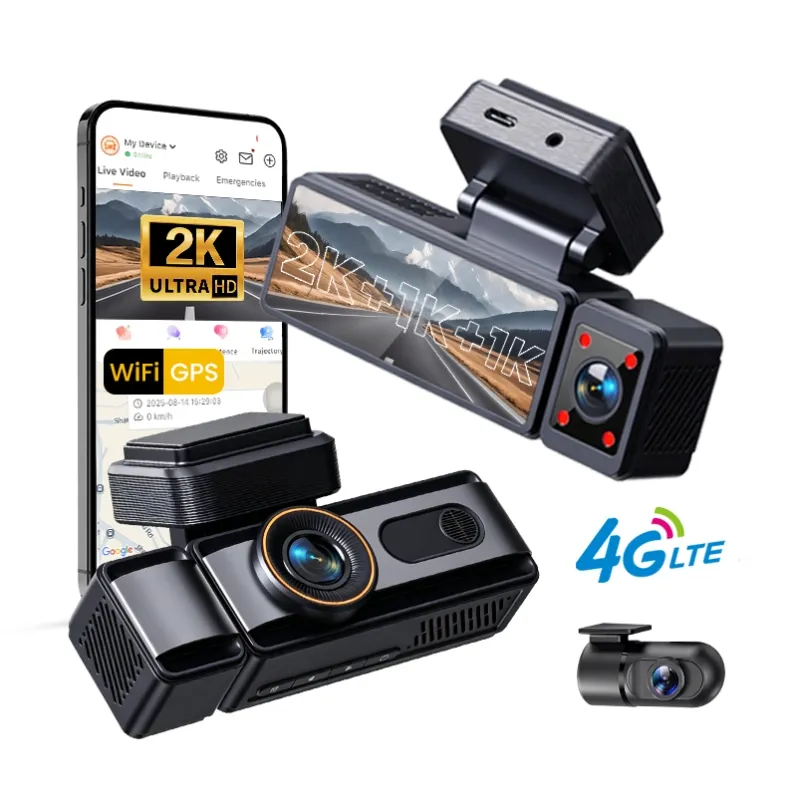
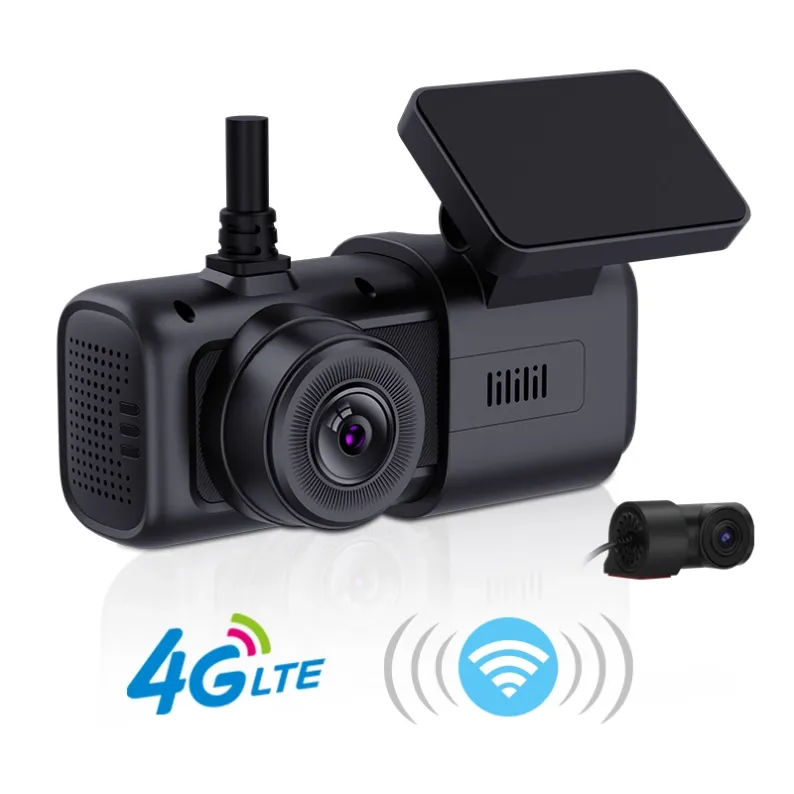
For fleet operators, integrated AI dash cams can also work with 4G connectivity and fleet management platforms to support remote video access, event alerts, and driver behavior analysis, depending on the device and platform.
Conclusion
ADAS, DMS, and BSD address three different aspects of driving safety: road hazards, driver condition, and blind spots. Choosing a system with the right combination of features can help businesses improve driver awareness, manage fleet risks, and support safer operations.
When selecting an AI dash cam, consider your vehicle type, operating environment, required detection functions, and compatibility with your fleet management platform.