FAQs
ADAS vs DMS vs BSD: What's the Difference?
Three important technologies often found in modern fleet dash cams are ADAS, DMS, and BSD. Although they all help prevent accidents, each serves a different purpose.
ADAS vs DMS vs BSD: What's the Difference?
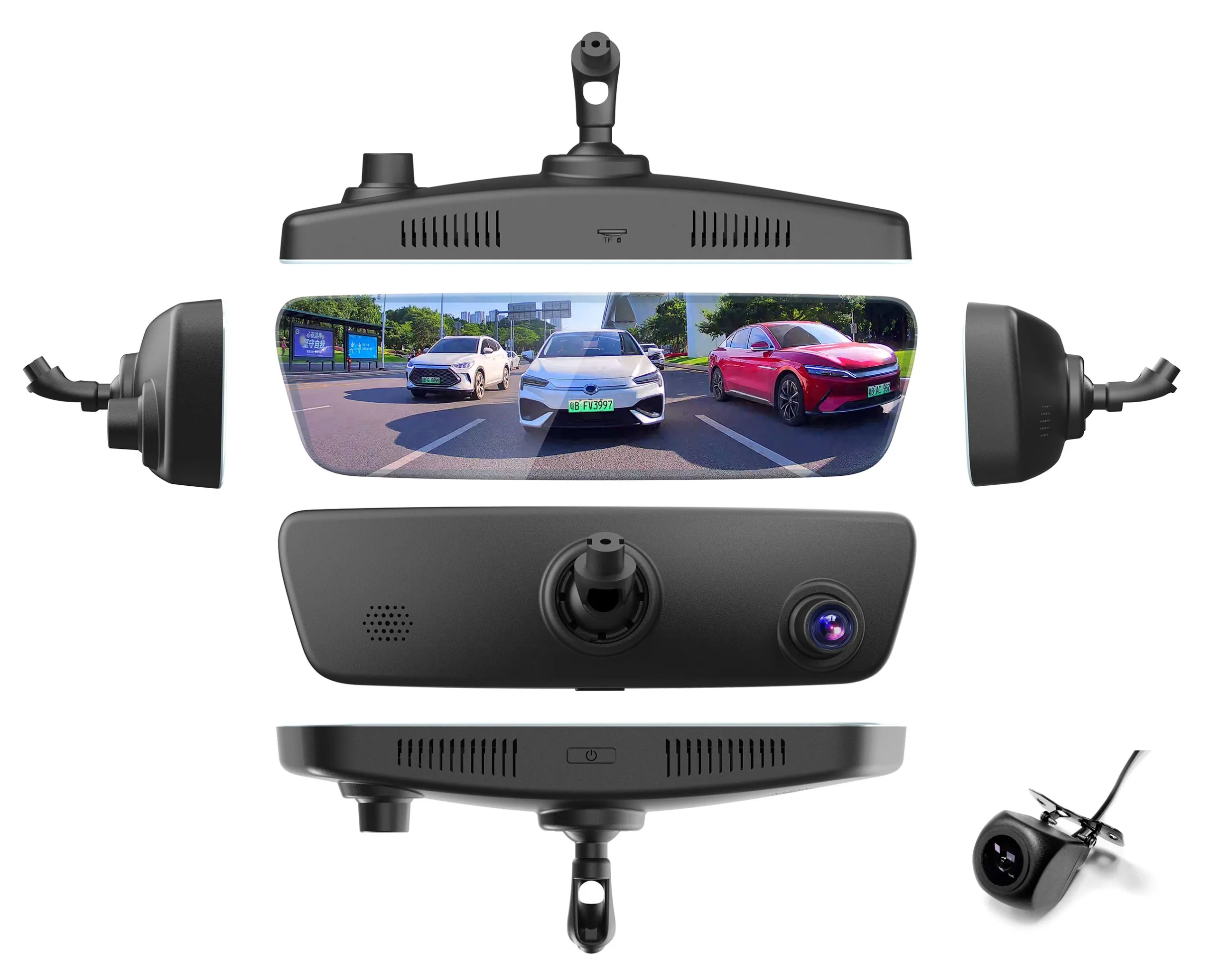
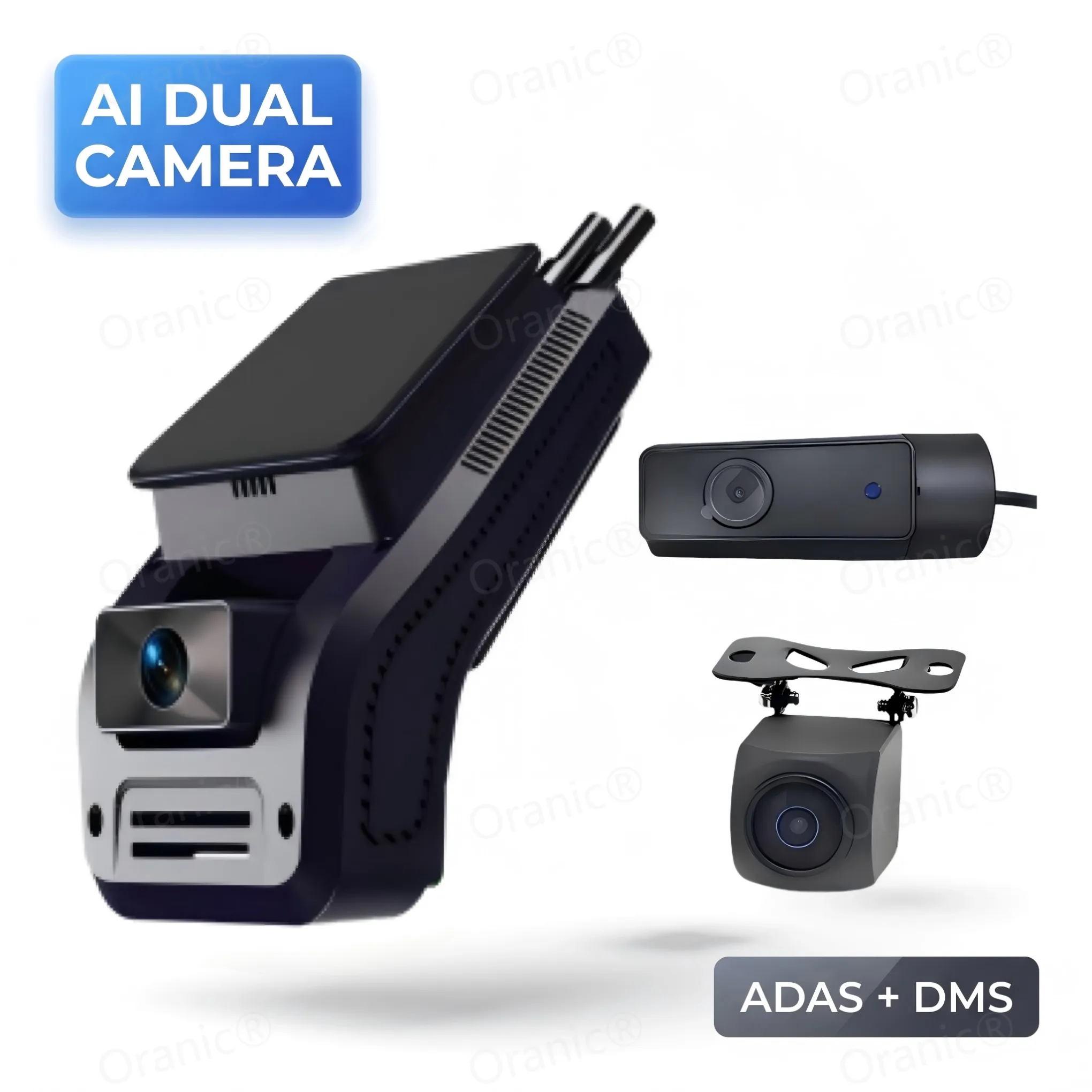
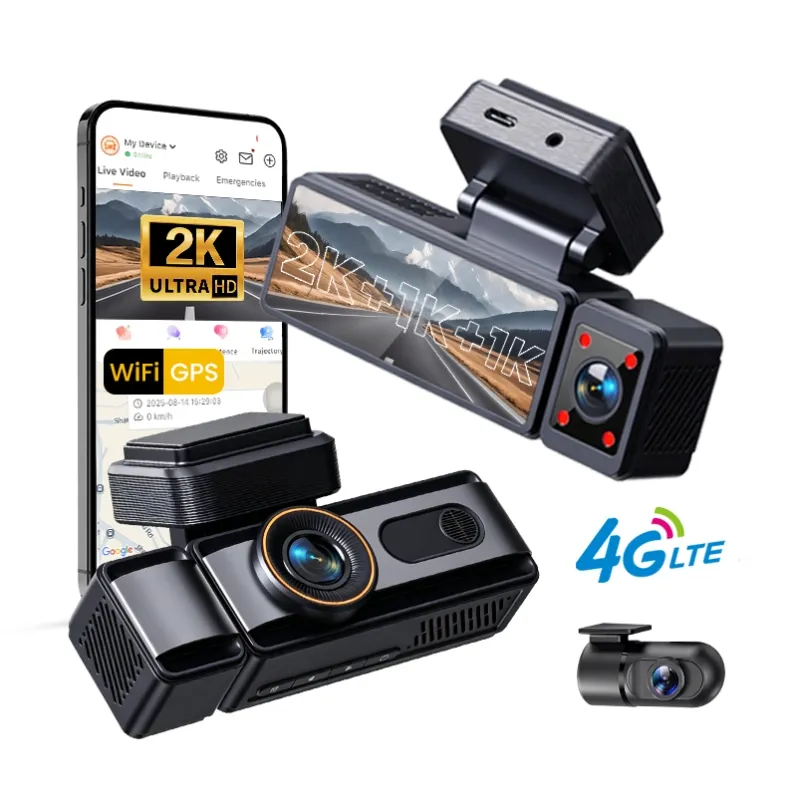
With the growing demand for road safety and intelligent fleet management, AI-powered dash cams are becoming increasingly popular among commercial vehicle operators. Three important technologies often found in modern fleet dash cams are ADAS, DMS, and BSD. Although they all help prevent accidents, each serves a different purpose.
So, what is the difference between ADAS, DMS, and BSD?
1. What Is ADAS (Advanced Driver Assistance System)?
ADAS stands for Advanced Driver Assistance System. It uses cameras and intelligent algorithms to monitor road conditions and identify potential driving hazards.
Common ADAS functions include:
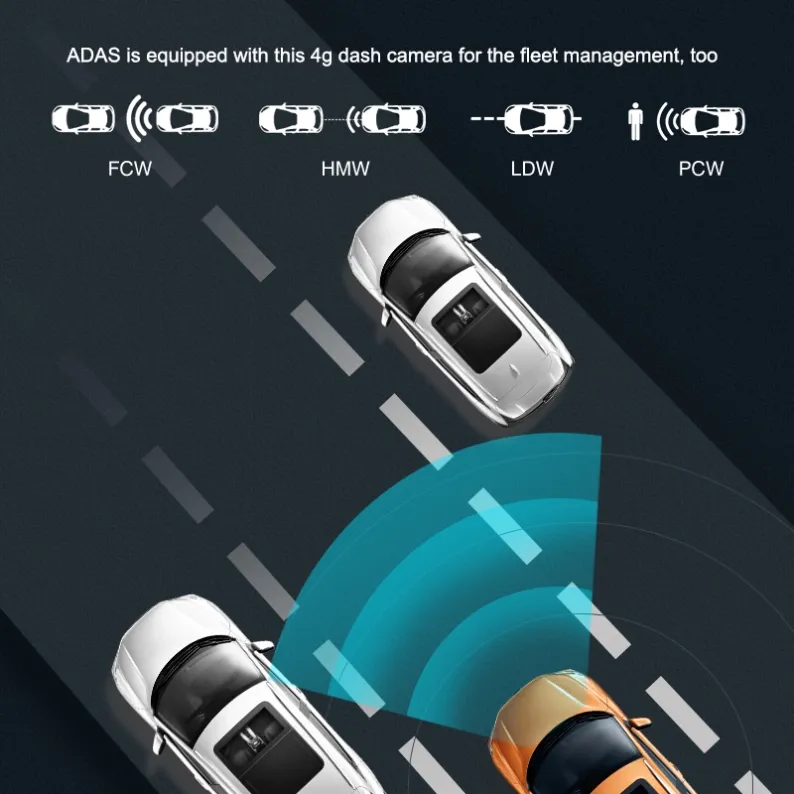
- Forward Collision Warning (FCW): Alerts drivers when their vehicle is approaching another vehicle too quickly.
- Lane Departure Warning (LDW): Detects unintended lane changes and warns drivers.
- Headway Monitoring Warning (HMW): Monitors the distance between the vehicle and the one ahead.
ADAS mainly focuses on the road ahead, helping drivers recognize potential dangers and react in time.
2. What Is DMS (Driver Monitoring System)?
DMS stands for Driver Monitoring System. Unlike ADAS, which monitors the road, DMS focuses on the driver inside the vehicle.
Using an in-cabin camera and AI technology, DMS can detect dangerous driving behaviors, including:
- Driver fatigue and drowsiness
- Distracted driving
- Mobile phone usage
- Smoking while driving
- Not wearing a seatbelt
When unsafe behavior is detected, the system can issue voice alerts to remind drivers to stay focused. DMS is particularly useful for logistics companies and long-distance transportation fleets.
3. What Is BSD (Blind Spot Detection)?
BSD stands for Blind Spot Detection. It helps drivers identify vehicles, cyclists, or other potential hazards in areas that are difficult to see through the rearview and side mirrors.
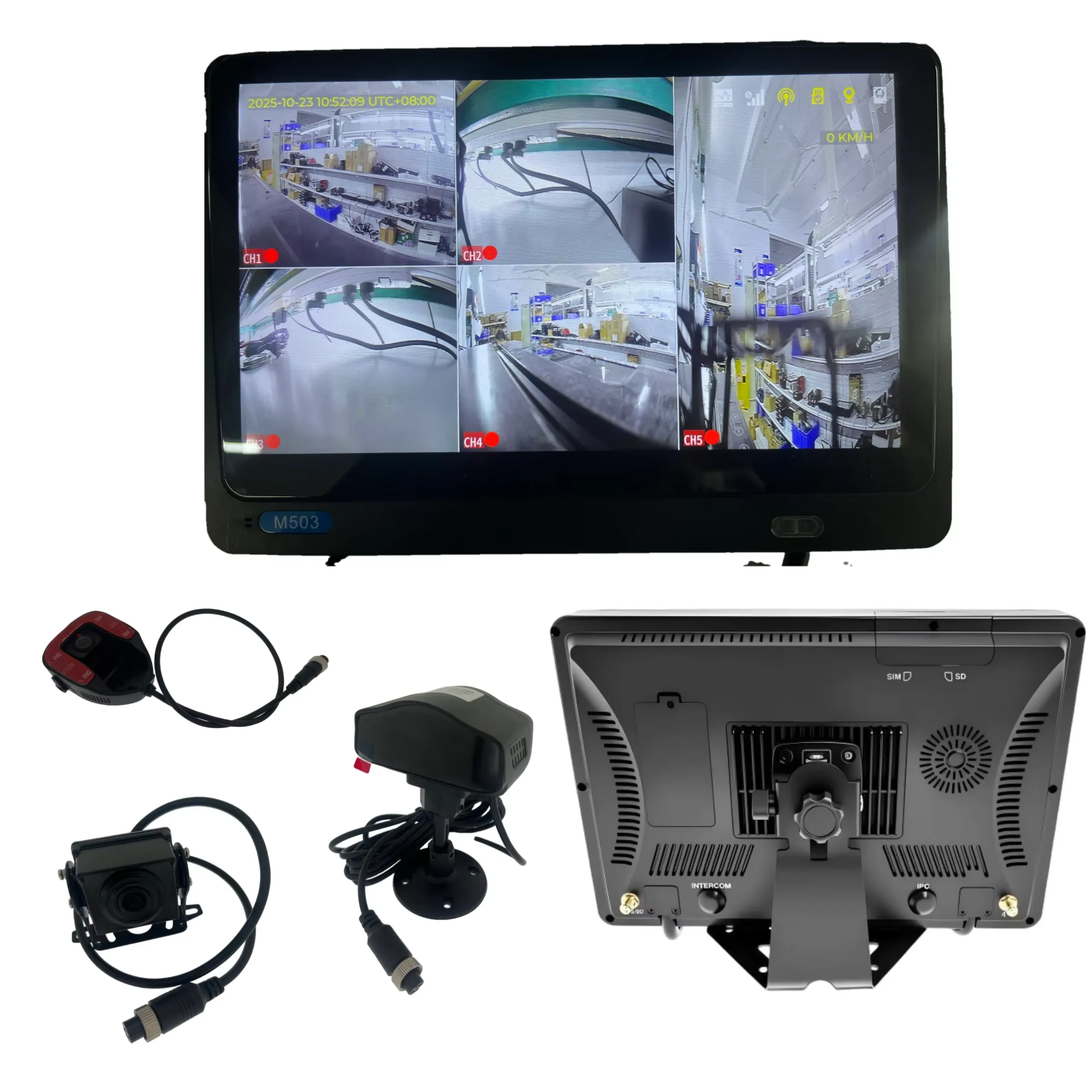
Depending on the system configuration, BSD uses external cameras and AI algorithms to monitor areas around the vehicle. It can provide warnings when another road user enters a monitored blind spot.
BSD is especially valuable for trucks, buses, and other large commercial vehicles, where blind spots can create serious safety risks.
4. ADAS vs DMS vs BSD: Key Differences
Technology | Monitoring Area | Main Purpose |
|---|---|---|
ADAS | Road ahead | Prevent forward collisions and lane departure |
DMS | Driver inside cabin | Detect fatigue and distracted driving |
BSD | Vehicle blind spots | Detect nearby vehicles and road users |
5. Why Should Fleet Operators Choose All Three?
ADAS, DMS, and BSD complement each other by providing protection from different directions. Together, they help fleet managers monitor driving conditions, identify risky behavior, and improve overall vehicle safety.
For commercial fleets, combining these technologies in one AI dash cam system can provide more comprehensive protection for drivers, vehicles, and other road users.
Conclusion
ADAS focuses on road conditions, DMS monitors driver behavior, and BSD detects hazards in blind spots. Although their functions are different, all three technologies play an important role in accident prevention.
Oranic offers intelligent fleet dash cam solutions integrating ADAS, DMS, and BSD technologies, helping businesses improve fleet safety and achieve smarter vehicle management.