Aug 20, 2026FAQs
AI Dash Cams vs. Traditional Dash Cams: What’s the Real Difference?
Dash cams are no longer just basic video recorders. As vehicle technology evolves, the industry is shifting from traditional passive recording toward active AI monitoring.
AI Dash Cams vs. Traditional Dash Cams: What’s the Real Difference?
Dash cams are no longer just basic video recorders. As vehicle technology evolves, the industry is shifting from traditional passive recording toward active AI monitoring. Understanding the differences between these two systems helps fleet operators and drivers select the right solution for their operational needs.
Traditional Dash Cams: Passive Post-Incident Evidence
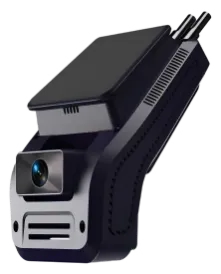
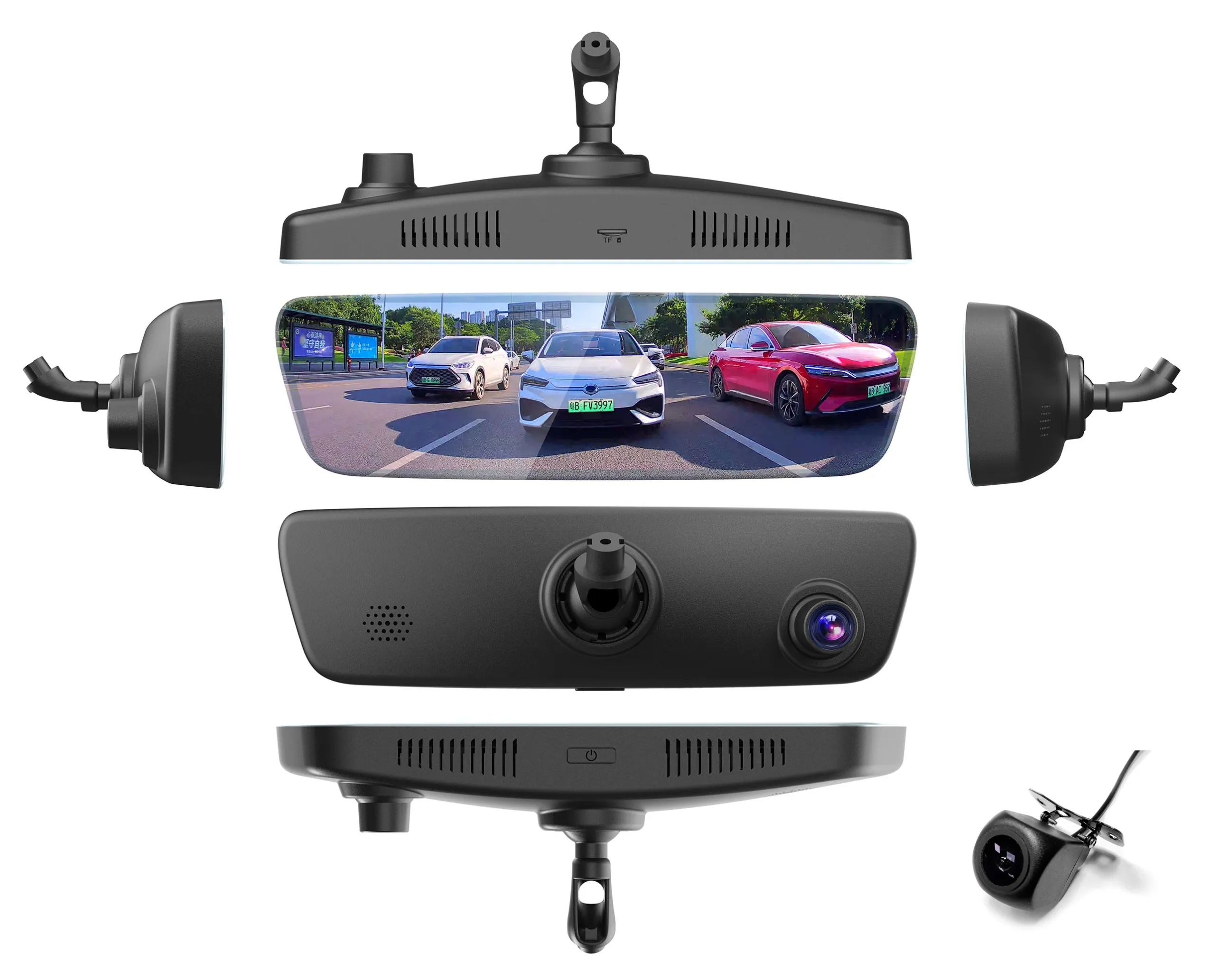
A traditional dash cam functions primarily as a black box. Equipped with front or dual lenses, loop recording, G-sensors, and basic night vision, its main job is to continuously capture footage while the vehicle is running.
- Core Purpose: Record event footage for insurance claims and liability disputes.
- Operational Limitation: It is entirely passive. It documents an accident after it happens but offers zero real-time intervention to prevent it.
AI Dash Cams: Proactive Real-Time Risk Prevention
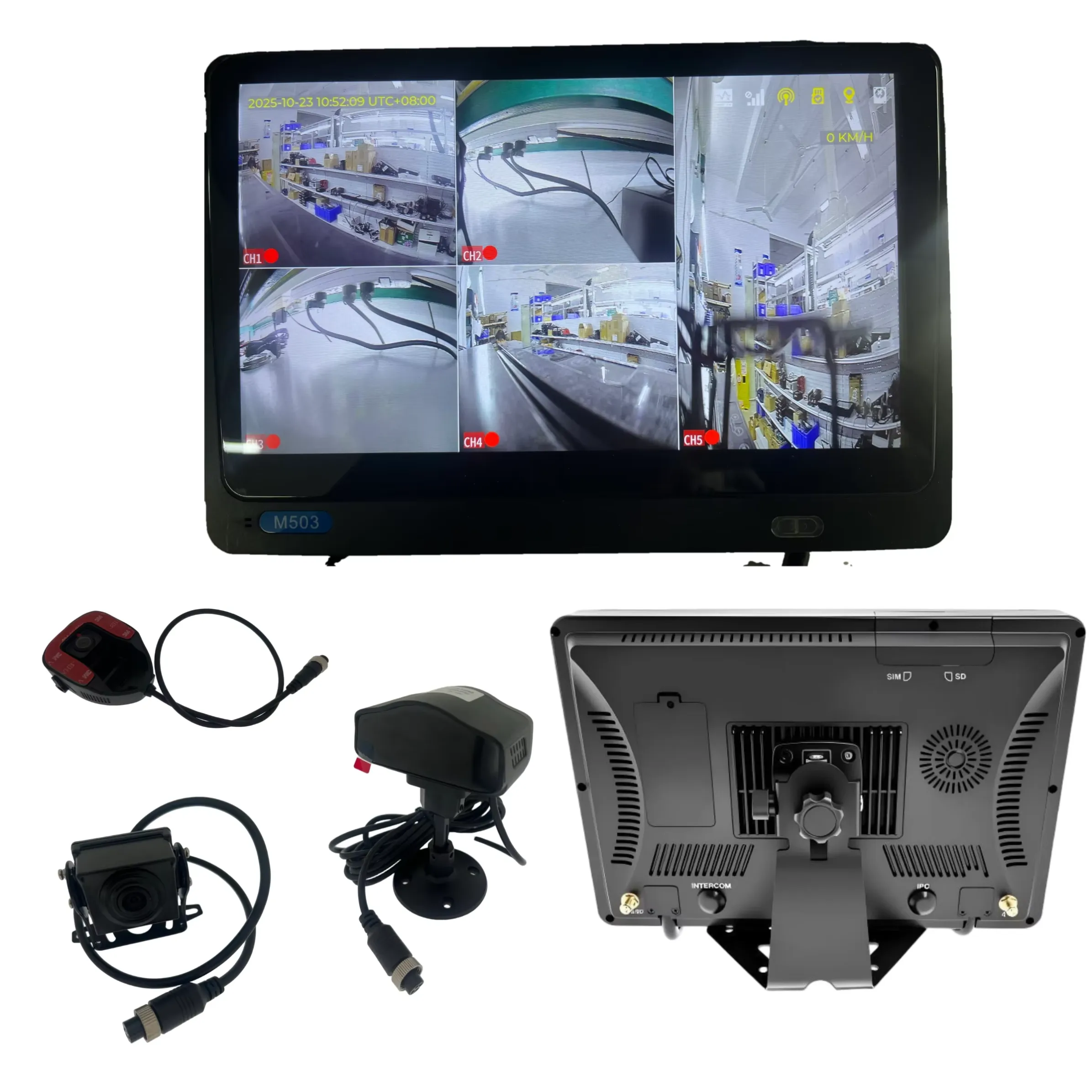
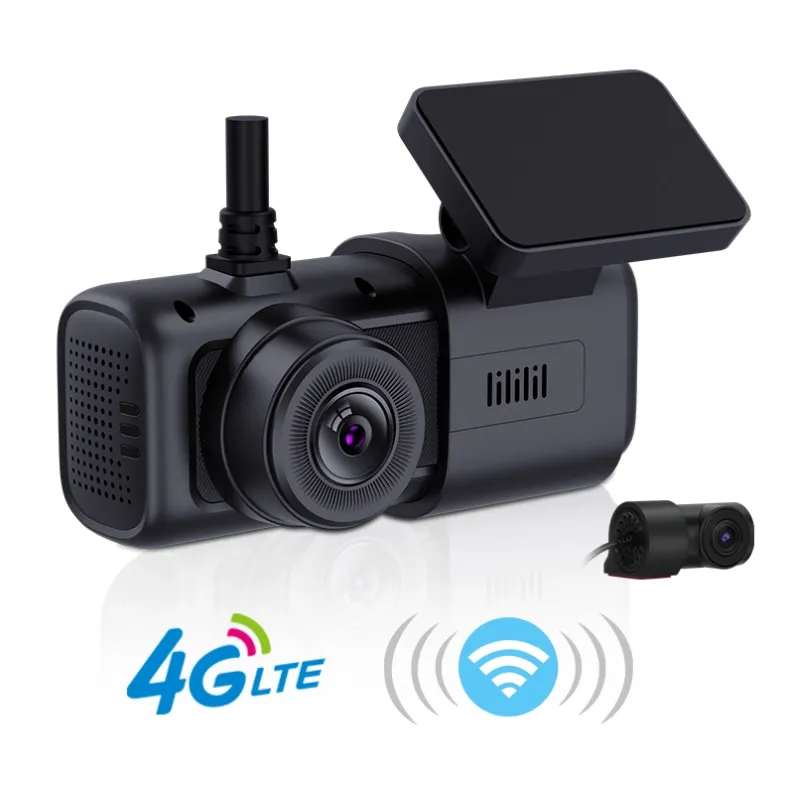
An AI dash cam combines high-definition imaging with edge computing algorithms to process visual data in real time. Instead of merely storing footage on an SD card, it actively analyzes road conditions and driver state to prevent collisions before they occur.
Key AI-driven driver assistance features include:
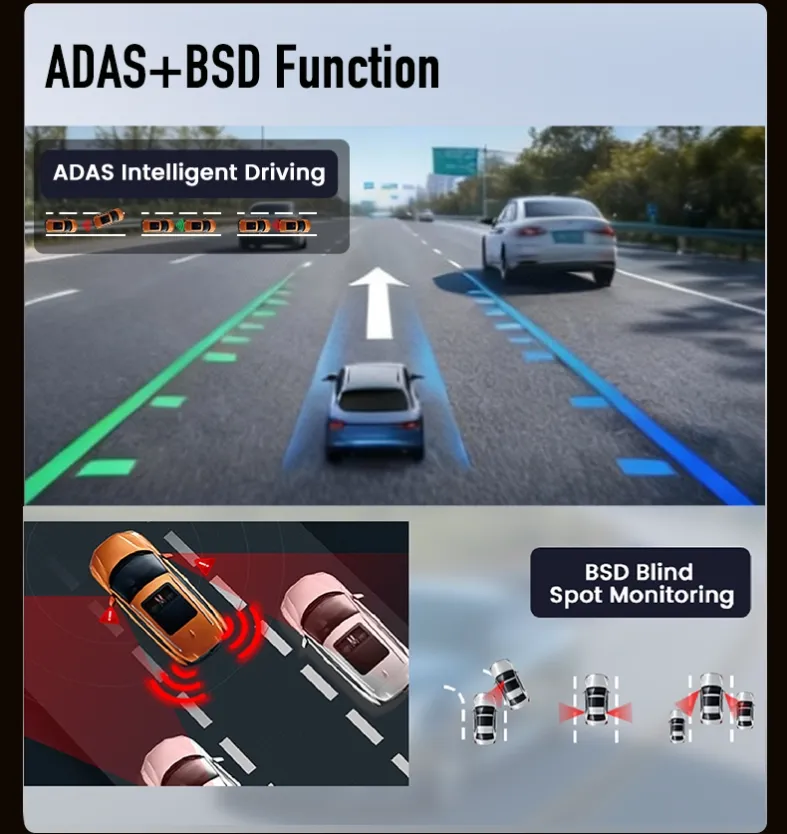
- ADAS (Advanced Driver Assistance System): Monitors the road ahead for Lane Departure Warnings (LDW), Forward Collision Warnings (FCW), and Tailgating Alerts.
- DMS (Driver Monitoring System): Tracks the driver's face to detect fatigue, yawning, eye closure, phone usage, smoking, and distraction.
- BSD & LCA (Blind Spot Detection & Lane Change Assist): Uses side/rear vision AI algorithms to detect pedestrians and vulnerable road users in severe blind spots—crucial for heavy trucks and buses.
Core Comparison: Passive Evidence vs. Active Defense
The fundamental distinction lies in responsiveness:
Feature | Traditional Dash Cam | AI Dash Cam (DMS/ADAS/BSD) |
Primary Question | "What happened?" (Post-event) | "What is happening right now?" (Real-time) |
Risk Mitigation | Passive evidence collection | Active in-cabin alerts & proactive intervention |
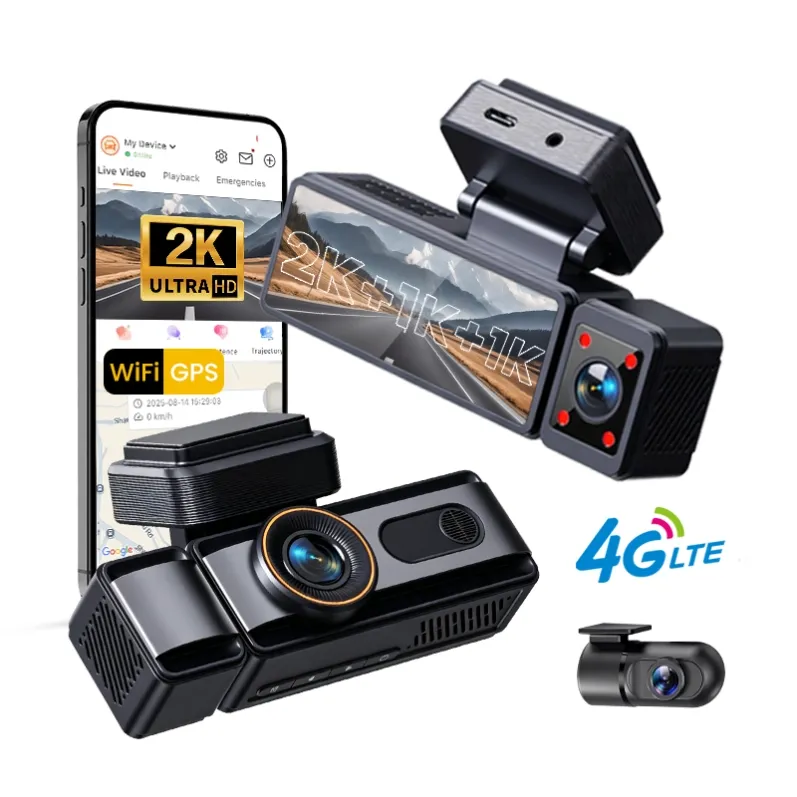
Connectivity | Local storage (SD card) | 4G LTE Cloud integration, Live GPS, CMS Sync |
Primary Value | Collision liability determination | Accident reduction & driver risk scoring |
Which Solution Fits Your Application?
- Consumer & Everyday Passenger VehiclesIf the goal is simply to protect against insurance fraud or record daily commutes, a standard multi-channel dash cam provides reliable recording without added complexity or software costs.
- Commercial Fleets, Logistics, & Telematics OperationsFor trucks, taxis, delivery vans, and heavy machinery, AI dash cams deliver exponentially higher ROI. When linked with a 4G fleet management platform (CMS), critical risk events automatically upload to the cloud. This allows safety managers to track fleet health, optimize driver training, and significantly lower insurance liabilities.
Choosing between traditional and AI dash cams comes down to whether you need a passive recorder or an active safety assistant. For commercial fleets aiming to reduce accident rates and streamline risk management, AI-powered video telematics is rapidly becoming the industry standard.