Sep 24, 2026FAQs
Built-in GPS vs. External GPS Dash Cam: Which Is Right for Your Fleet?
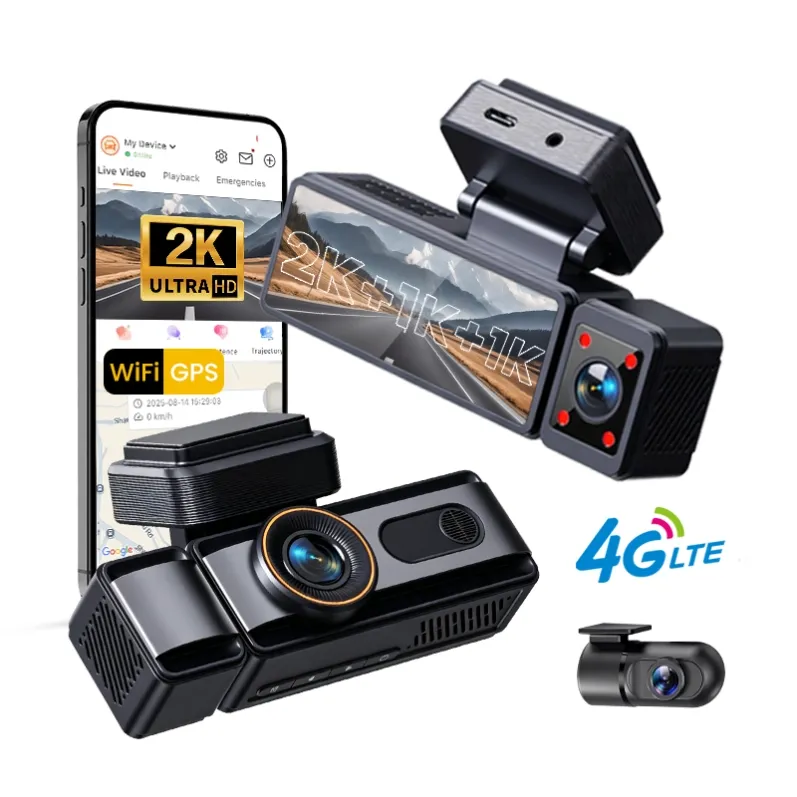
When selecting a fleet-grade telematics solution or commercial dash cam, GPS tracking is an essential feature for location logging, speed monitoring, and route playback.
Built-in GPS vs. External GPS Dash Cam: Which Is Right for Your Fleet?
When selecting a fleet-grade telematics solution or commercial dash cam, GPS tracking is an essential feature for location logging, speed monitoring, and route playback. However, decision-makers often face a key hardware choice: built-in GPS versus an external GPS antenna module. Understanding the operational trade-offs helps ensure optimal signal stability and installation efficiency.
1. Built-in GPS Dash Cams: All-in-One Simplicity
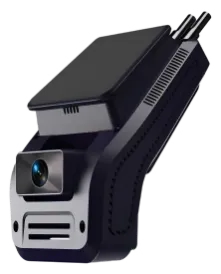
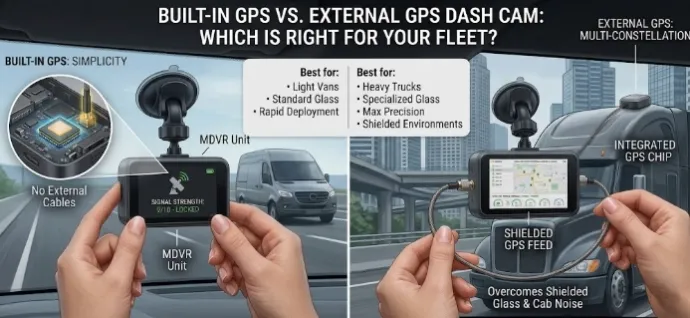
Dash cams with integrated GPS chips house the antenna inside the main camera housing.
- Clean and Rapid Installation: Eliminates extra wiring, external modules, and adhesive mounts on the windshield, reducing labor costs during bulk fleet rollouts.
- Sleek, Compact Aesthetic: Keeps the vehicle interior clutter-free and minimizes driver view obstruction.
- Ideal Use Cases: Standard passenger cars, light commercial vans, and windshields without specialized metallic coatings or heated glass elements.
Key Advantage: Lower installation complexity and a cleaner cabin setup.
2. External GPS Dash Cams: Maximum Signal Accuracy and Versatility
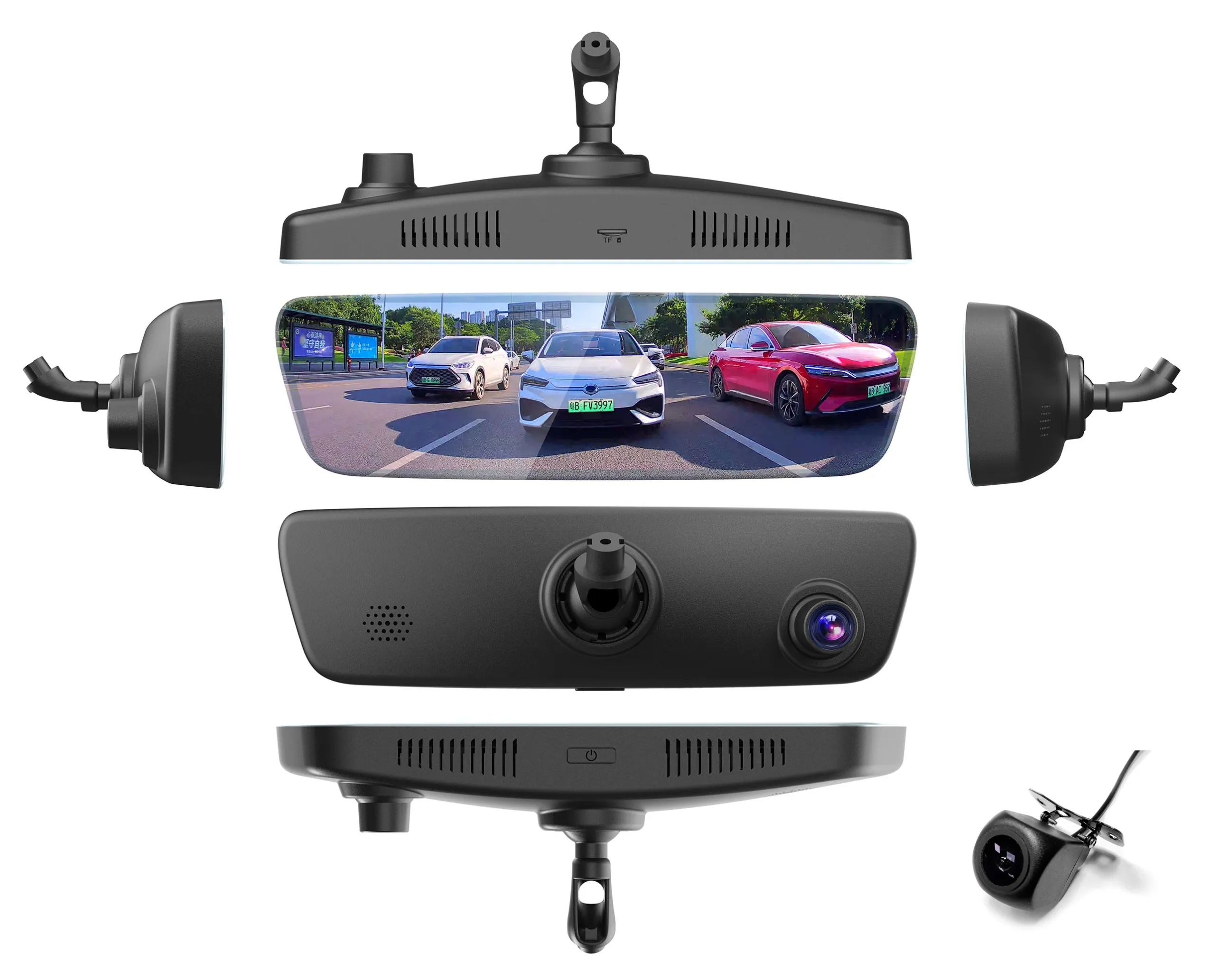
External GPS dash cams connect to an independent antenna via a dedicated cable, allowing flexible mounting anywhere inside the cab.
- Superior Signal Acquisition: Mounting the antenna high on the windshield—away from internal camera heat and electromagnetic interference (EMI)—ensures faster cold starts and stable satellite lock.
- Overcomes Shielded Windshields: Heavy-duty trucks, armored vehicles, and cars with solar-reflective, acoustic, or heated windshields often block internal satellite signals. An external module circumvents signal attenuation.
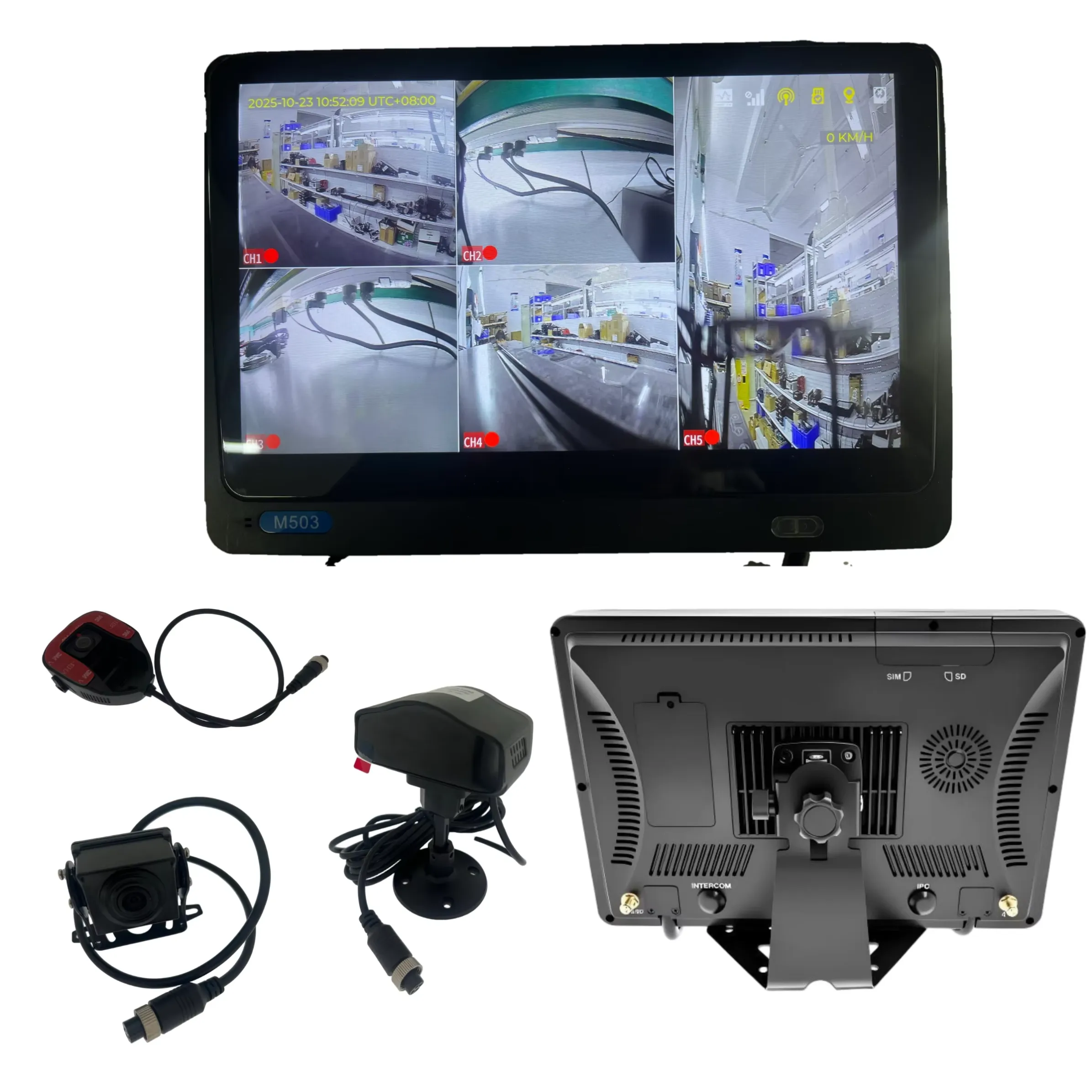
- Fleet Management Integration: Many external GPS receivers double as multi-constellation modules (GPS, GLONASS, BeiDou) integrated with RS232, CAN-bus, or CMSV6 telematics platforms.
Key Advantage: Uncompromising tracking reliability in harsh signal environments and heavy-duty vehicles.
Feature Comparison Matrix
Feature | Built-in GPS Dash Cam | External GPS Dash Cam |
Wiring & Cabling | Integrated (Plug-and-play) | Requires external antenna wiring |
Signal Stability | Standard (Can be affected by windshield tinting) | High (Optimal placement flexibility) |
Aesthetic / Profile | Compact and low-profile | Includes secondary antenna module |
Vehicle Compatibility | Passenger vehicles & light fleets | Heavy trucks, buses, specialized vehicles |
The Verdict
For light-duty fleets and standard vehicles, a built-in GPS dash cam offers a streamlined, plug-and-play setup with sufficient signal accuracy. However, for heavy-duty commercial transport, buses, or vehicles with solar-tinted glass, an external GPS dash cam ensures continuous, drop-free positioning data essential for precise fleet tracking and legal compliance.