FAQs
Consumer Dash Cam vs Fleet Dash Cam: What's the Difference?
Dash cams have become essential tools for improving road safety and protecting drivers. However, not all dash cams are designed for the same purpose.
Consumer Dash Cam vs Fleet Dash Cam: What's the Difference?
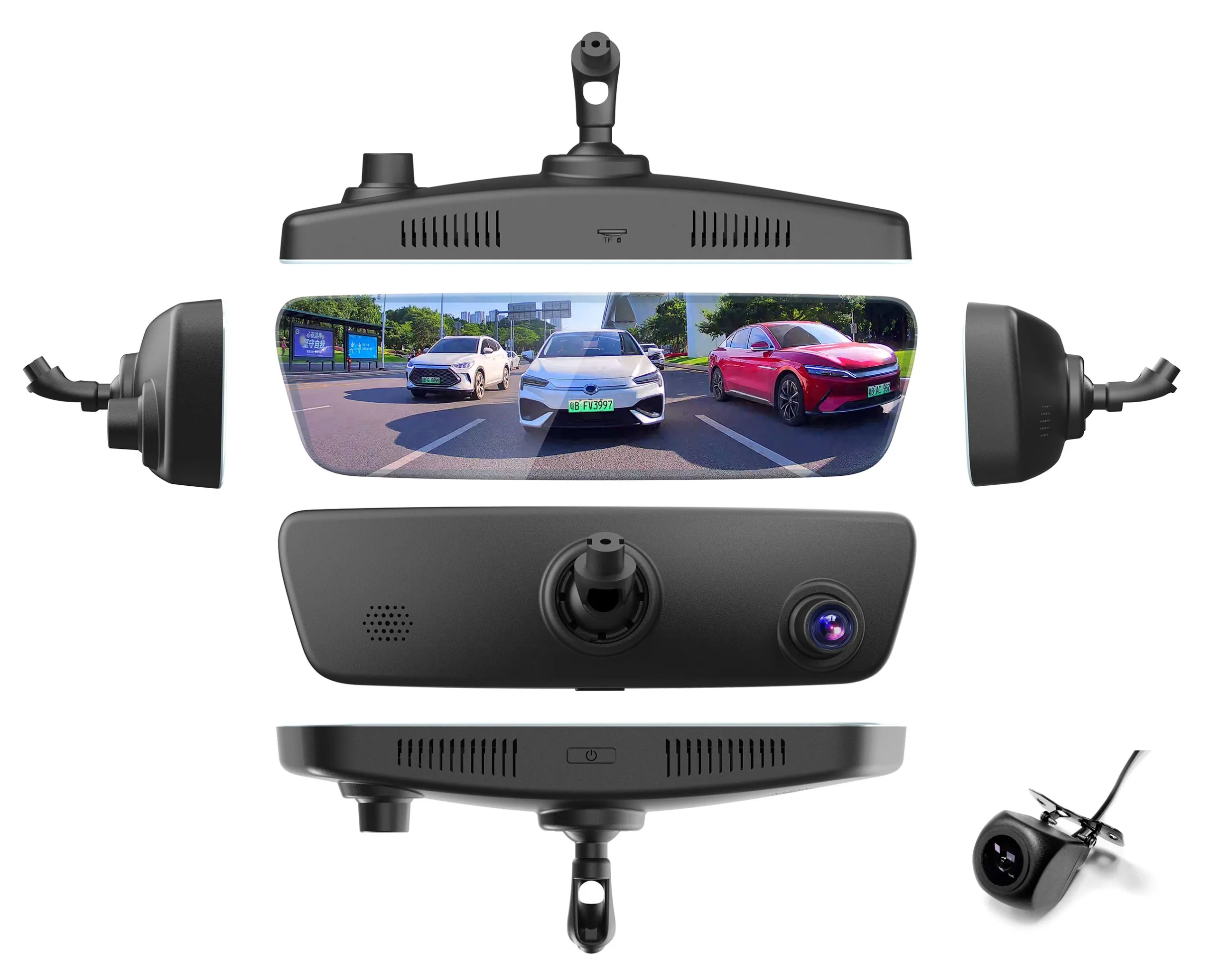
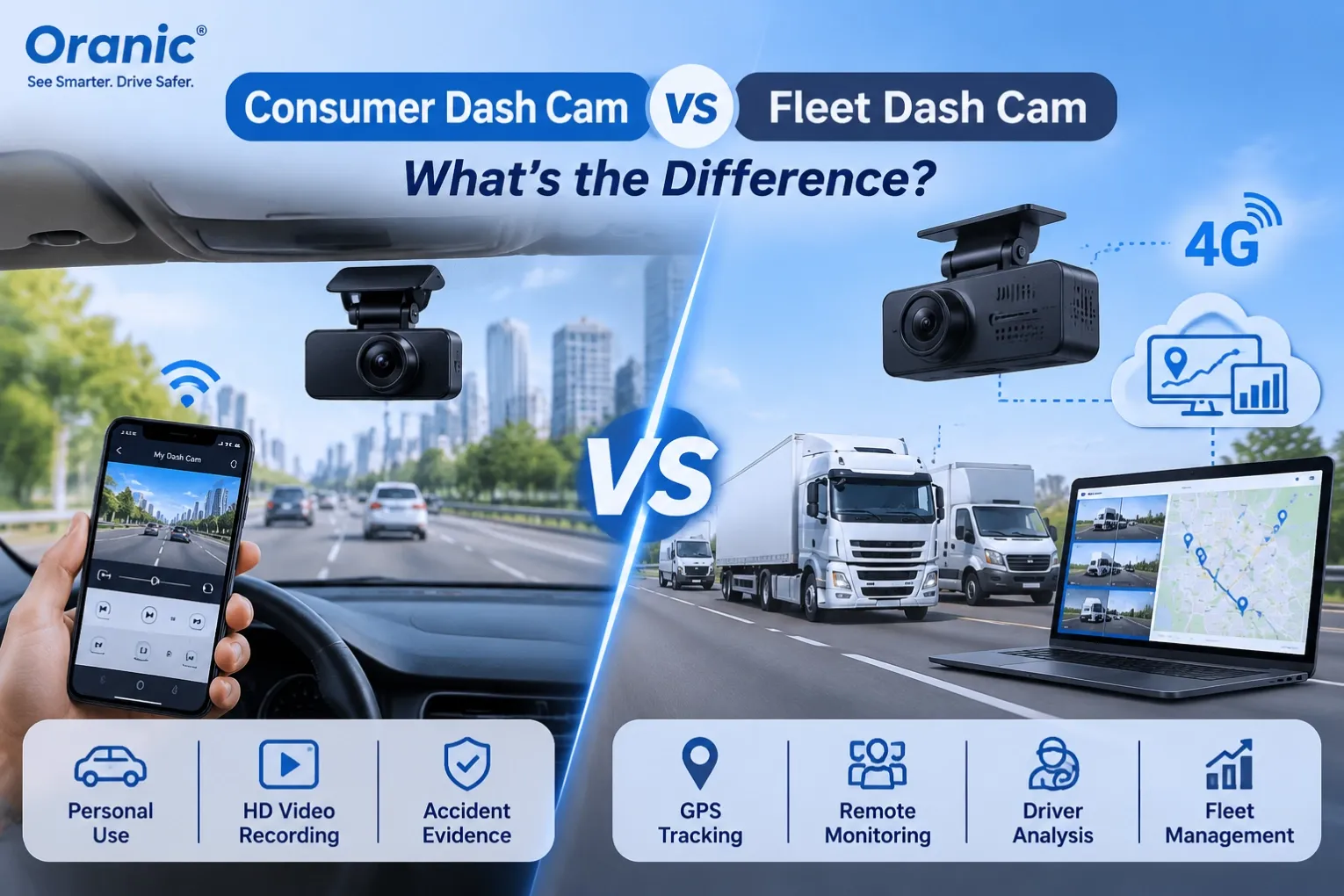
Dash cams have become essential tools for improving road safety and protecting drivers. However, not all dash cams are designed for the same purpose. A consumer dash cam is typically built for individual drivers, while a fleet dash cam is designed to help businesses monitor and manage multiple vehicles.
Understanding the differences can help you choose the right solution for your driving or business needs.
1. Main Purpose and Target Users
Consumer Dash Cam
A consumer dash cam is mainly designed for personal vehicles. Its primary purpose is to record driving footage, provide evidence in case of accidents, and offer additional security when a vehicle is parked.
Most models are easy to install and operate, making them suitable for everyday drivers.
Fleet Dash Cam
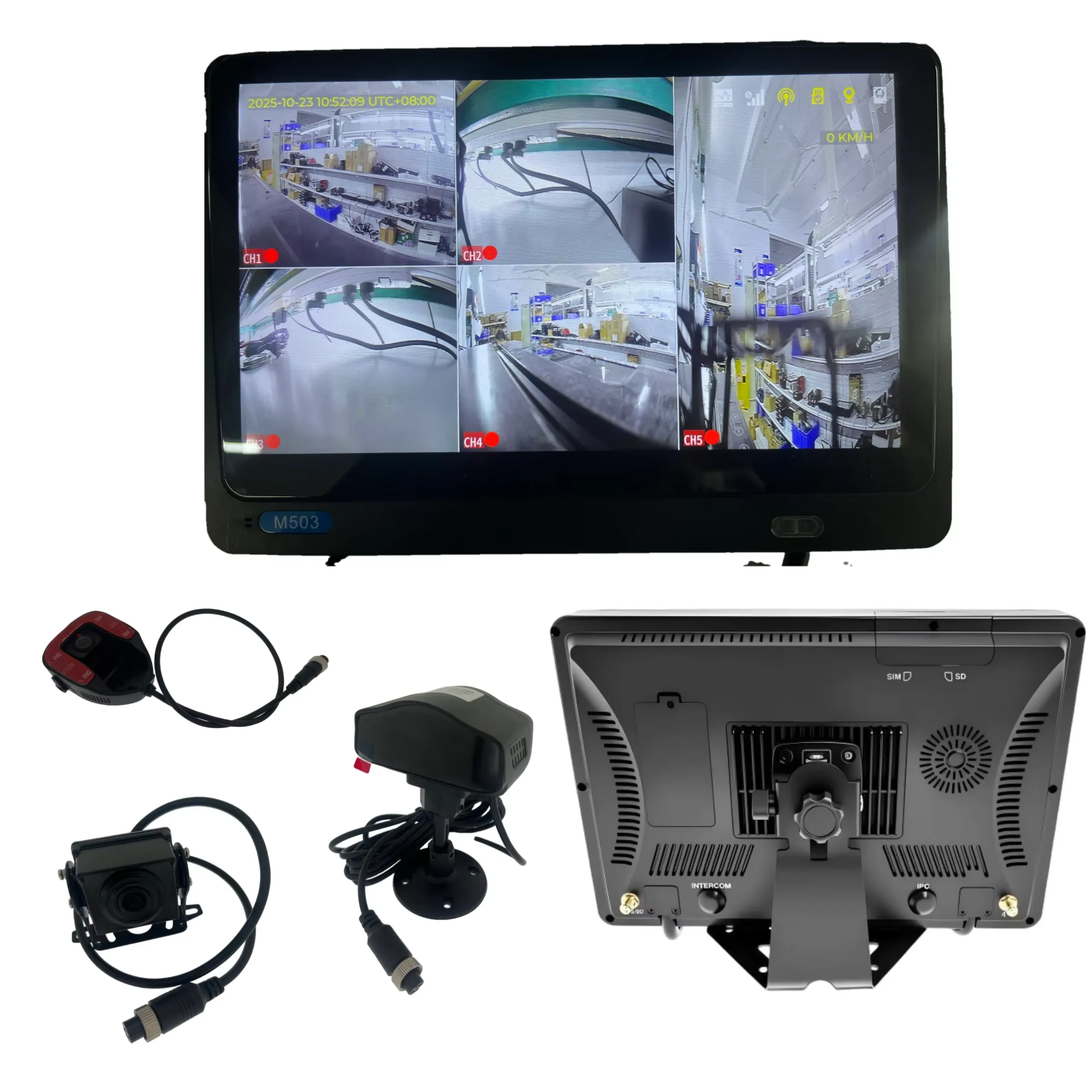
A fleet dash cam is designed for businesses operating multiple vehicles, including logistics companies, delivery services, taxis, and commercial transportation providers.
Beyond video recording, fleet dash cams help businesses monitor vehicle locations, driver behavior, and operational safety through a centralized management platform.
2. Key Features Comparison
Features | Consumer Dash Cam | Fleet Dash Cam |
|---|---|---|
Video Recording | Front or dual-channel | Multi-channel |
GPS Tracking | Optional | Usually supported |
4G Connectivity | Optional | Common |
Remote Live View | Limited or optional | Supported |
Driver Monitoring | Rare | Optional DMS |
ADAS Alerts | Optional | Common in advanced models |
Fleet Management | Usually unavailable | Centralized platform |
Remote Vehicle Control | Rare | Available on selected models |
Consumer dash cams focus on recording clear driving footage, while fleet dash cams provide more comprehensive vehicle monitoring and management capabilities.
3. Connectivity and Fleet Management
One of the biggest differences is connectivity.
Consumer dash cams typically rely on Wi-Fi to connect to smartphones, allowing users to download recordings and adjust settings.
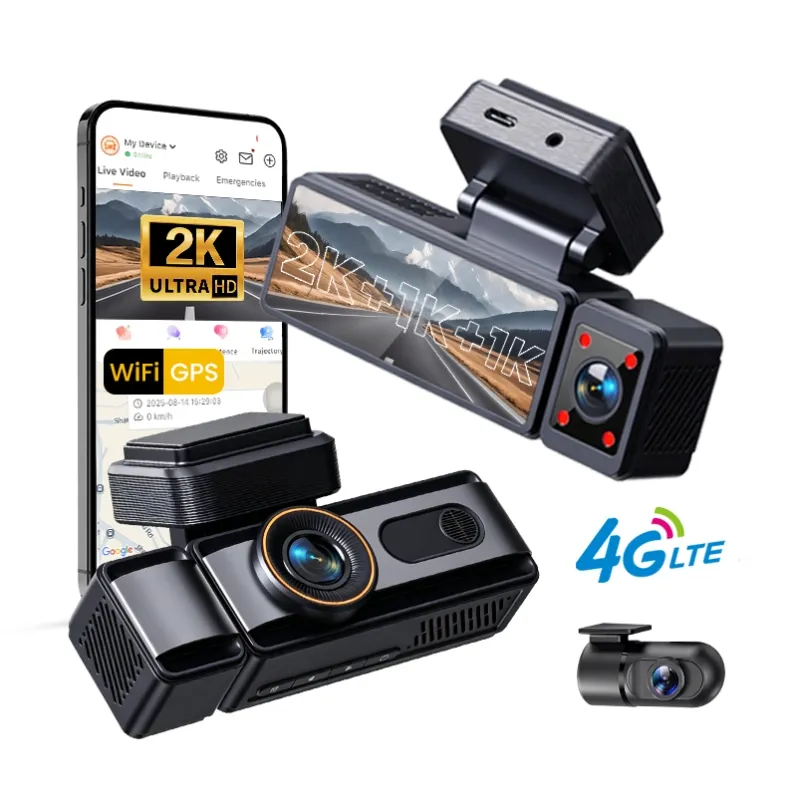
Fleet dash cams often feature 4G LTE connectivity and GPS tracking. Fleet managers can remotely access live video, review historical footage, track vehicle locations, and receive alerts through a cloud-based platform.
This makes fleet dash cams particularly useful for businesses managing vehicles across different cities or countries.
4. Advanced Safety Features
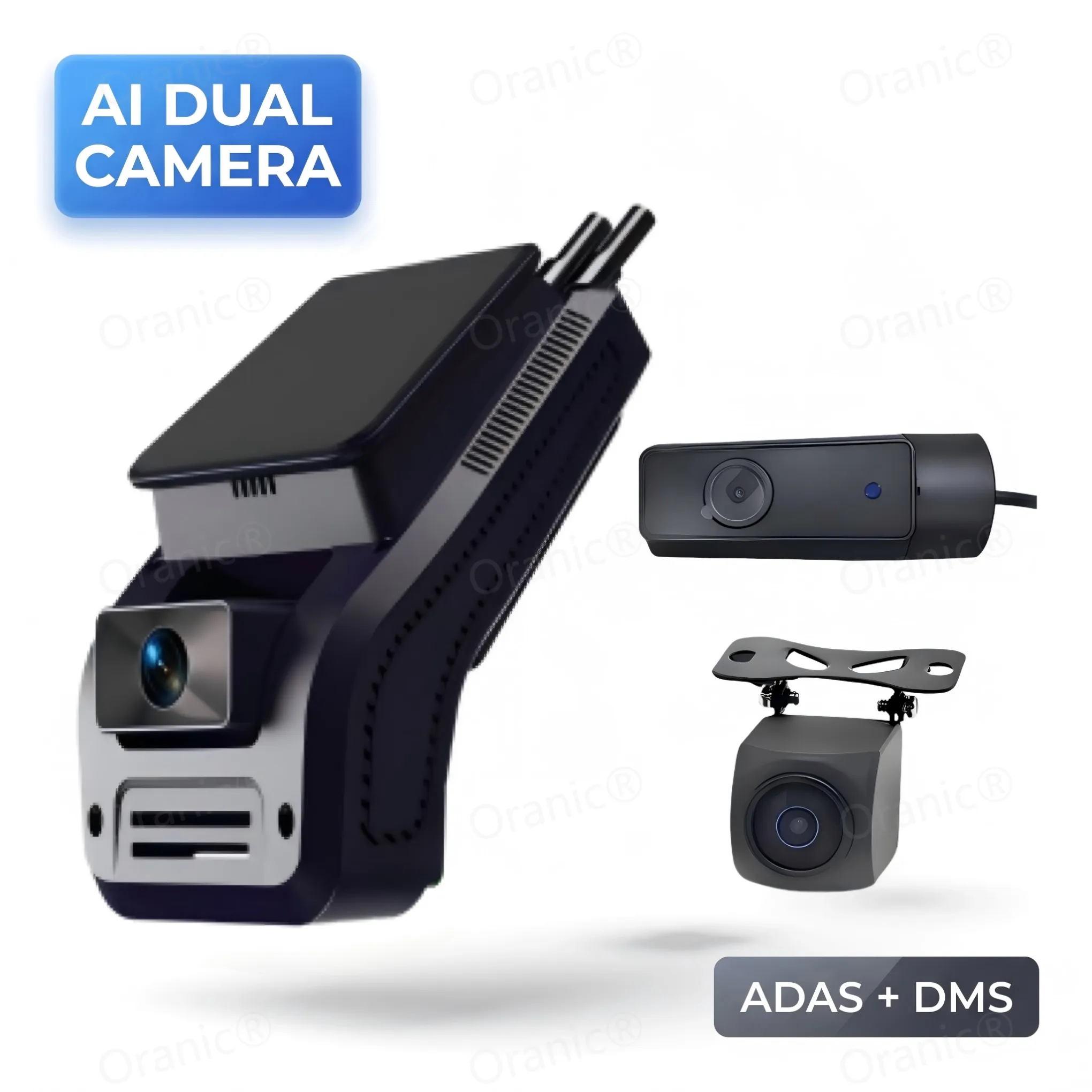
Modern fleet dash cams can integrate ADAS (Advanced Driver Assistance Systems) and DMS (Driver Monitoring Systems).
ADAS helps detect potential road risks, such as forward collisions and lane departures. DMS monitors driver behavior, including fatigue and distraction.
These features help fleet operators identify risks and improve overall driving safety.
5. Which One Should You Choose?
Choose a consumer dash cam if you need basic video recording, accident evidence, and personal vehicle protection.
Choose a fleet dash cam if your business needs real-time vehicle tracking, remote video monitoring, driver behavior analysis, and centralized fleet management.
6. Final Thoughts
Consumer and fleet dash cams serve different purposes. While consumer models focus on individual driving protection, fleet dash cams provide integrated solutions for vehicle monitoring, operational efficiency, and road safety.
At Oranic, we specialize in 4G AI dash cams and fleet management solutions featuring GPS tracking, ADAS, DMS, multi-channel recording, and remote video access.
Whether you manage a small business fleet or a large commercial vehicle operation, choosing the right dash cam solution can help make every journey safer and more manageable.