Aug 27, 2026FAQs
Dash Cam vs MDVR: What's the Difference?
Although both can record video inside or around a vehicle, they are designed for different applications.
Dash Cam vs MDVR: What's the Difference?
When choosing a vehicle video surveillance system, businesses often come across two popular options: dash cams and MDVRs (Mobile Digital Video Recorders). Although both can record video inside or around a vehicle, they are designed for different applications. Understanding the differences can help fleet managers and vehicle owners choose the right solution.
What Is a Dash Cam?
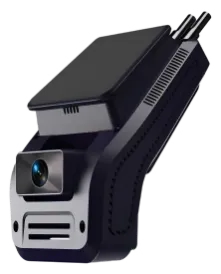
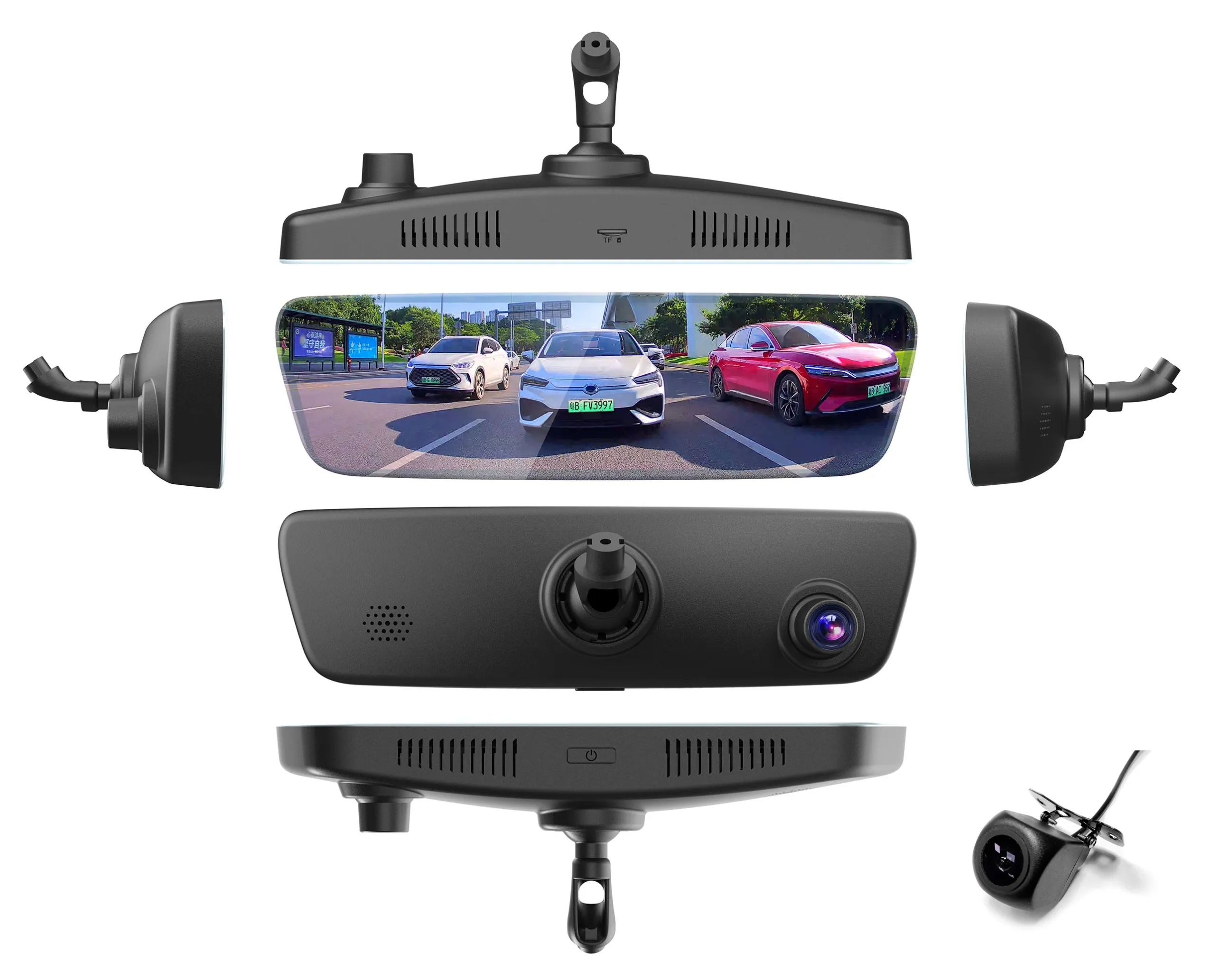
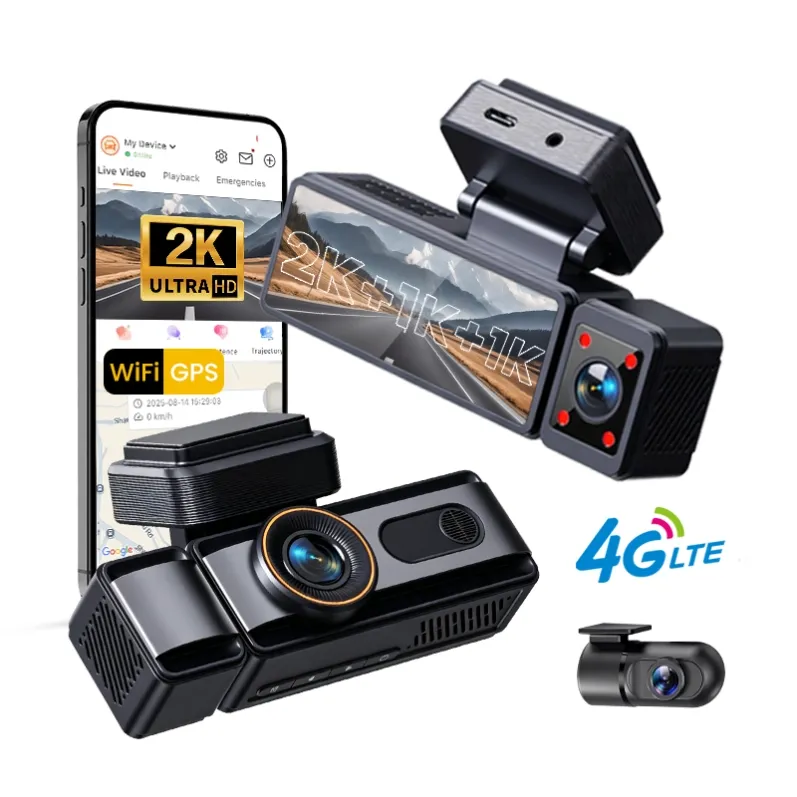
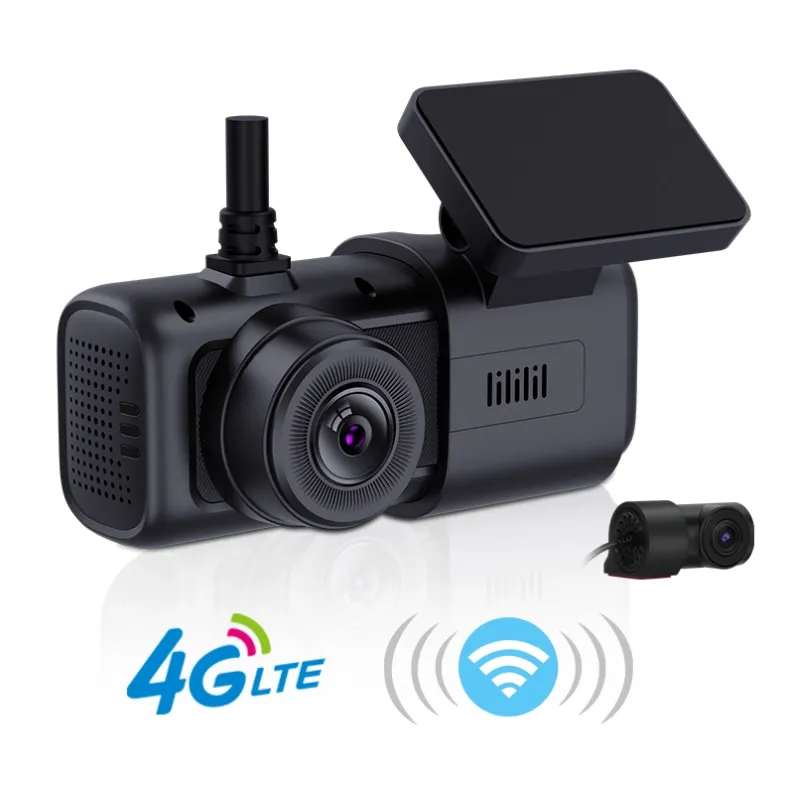
A dash cam, short for dashboard camera, is a compact camera designed primarily to record the road while driving. Most dash cams have a built-in camera, storage system, and display or mobile app.
Modern dash cams can support features such as 1080P or 4K video recording, GPS, Wi-Fi, G-sensor, parking monitoring, and loop recording. Advanced models may also include AI functions such as ADAS and DMS to detect potential collisions, lane departures, driver fatigue, and distracted driving.
Dash cams are commonly used in private cars, taxis, delivery vehicles, and small commercial fleets.
What Is an MDVR?
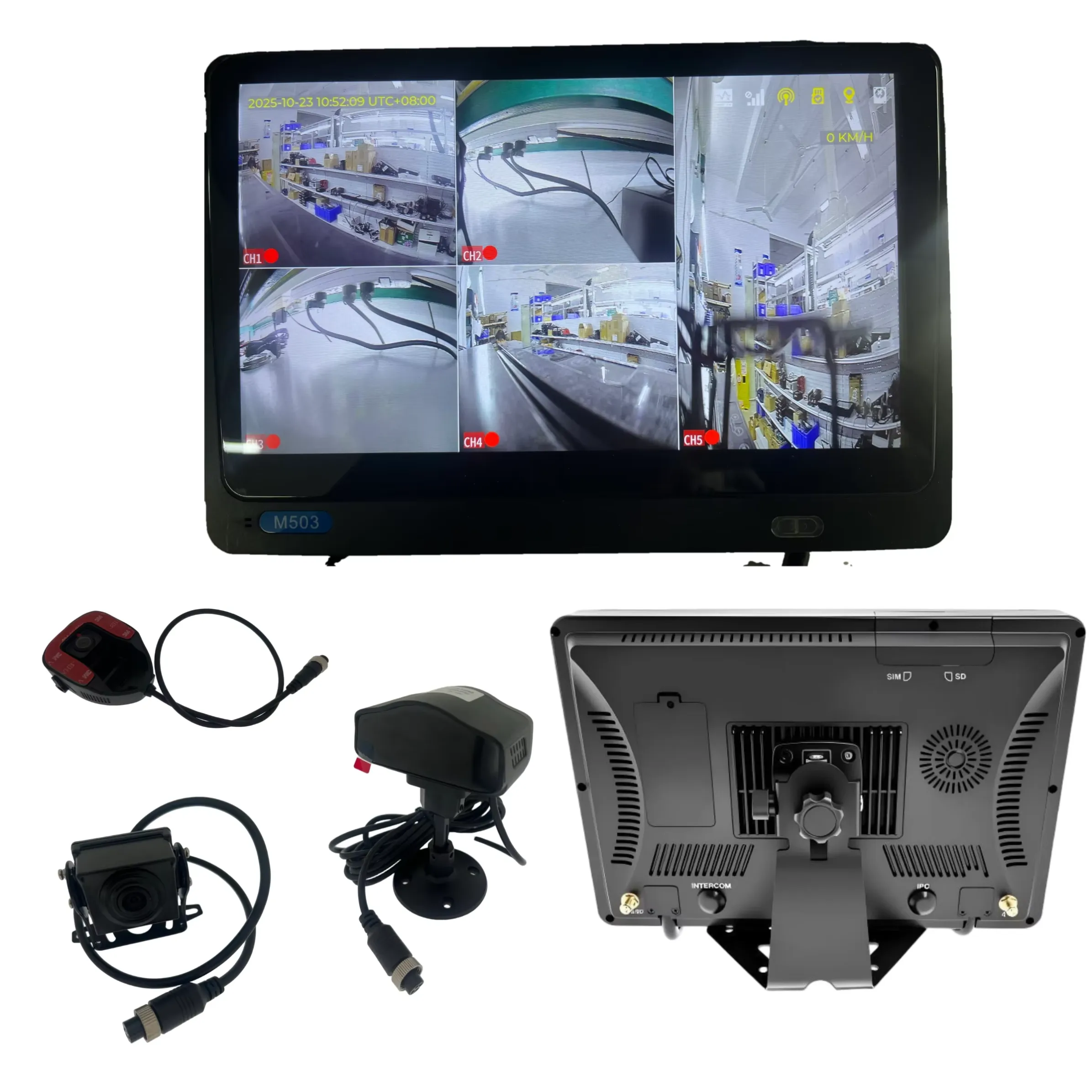
An MDVR, or Mobile Digital Video Recorder, is designed for professional vehicle surveillance. Unlike a typical dash cam, an MDVR can connect to multiple cameras installed around a vehicle.
For example, a bus or truck may use an MDVR system with front, rear, side, and cabin cameras. Depending on the model, an MDVR may support four, eight, or even more video channels.
MDVR systems can also integrate GPS tracking, 4G connectivity, alarm inputs, sensors, storage devices, and fleet management platforms. This makes them particularly suitable for commercial fleets that require comprehensive vehicle monitoring.
Dash Cam vs MDVR: Key Differences
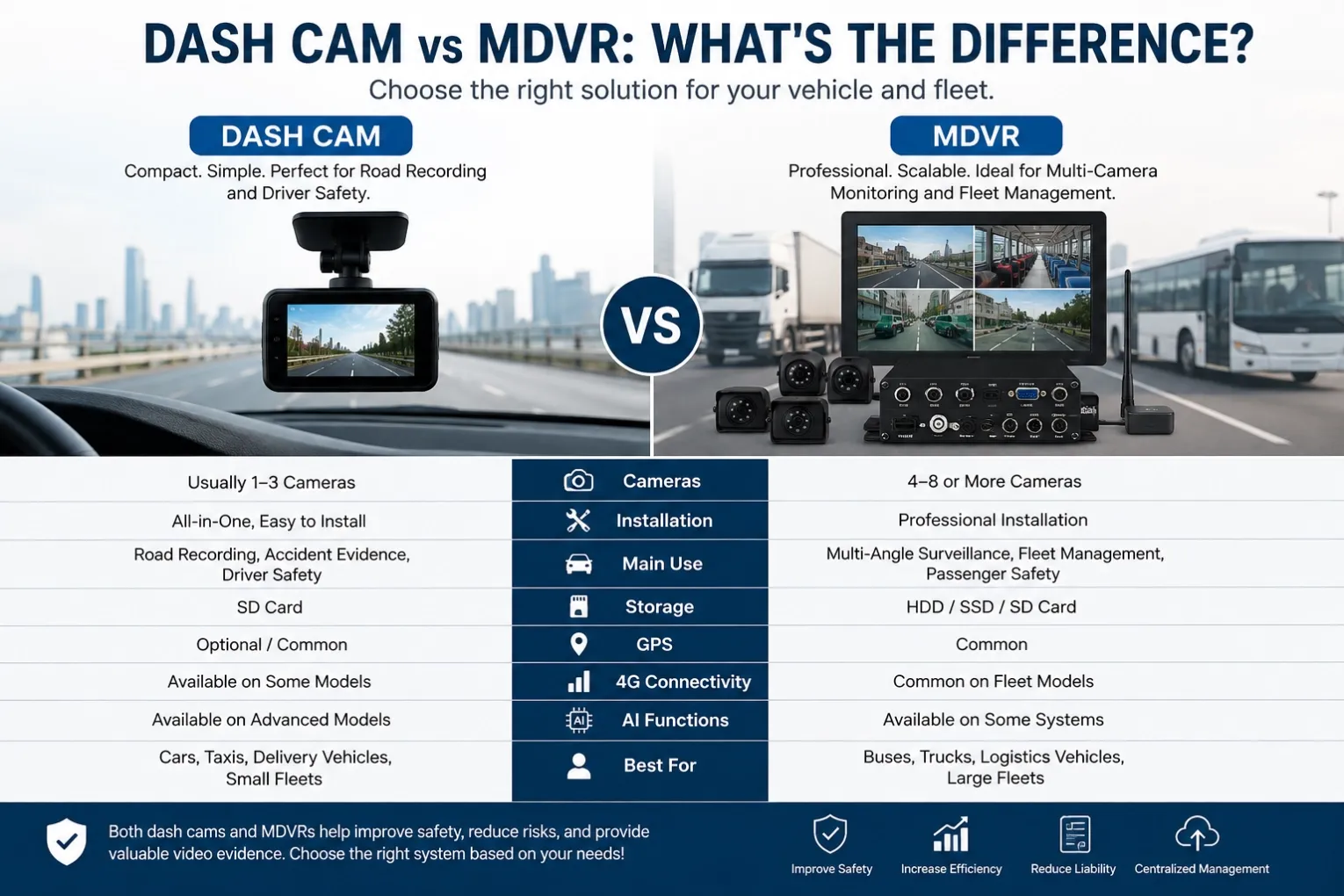
The biggest difference is scalability and application. A dash cam is usually an all-in-one, easy-to-install solution for recording the road. An MDVR is a centralized surveillance system designed to manage multiple cameras and vehicle data.
Feature | Dash Cam | MDVR |
|---|---|---|
Number of cameras | Usually 1–3 | Multiple channels |
Installation | Simple | Professional installation |
Main use | Road recording & safety | Full vehicle surveillance |
Storage | SD card | HDD/SSD/SD card |
GPS | Optional/common | Common |
4G | Available on some models | Common on fleet models |
AI functions | Available on advanced models | Available on some systems |
Best for | Cars & small fleets | Buses, trucks & large fleets |
Which One Should You Choose?
If you need a simple solution for front-road recording, accident evidence, or driver safety, a dash cam is usually the better choice. It is compact, cost-effective, and easy to install.
If you need to monitor multiple areas of a vehicle, such as the road, cabin, rear, and sides, an MDVR system is more suitable. It provides greater flexibility and is especially useful for buses, trucks, logistics vehicles, school buses, and large commercial fleets.
Conclusion
Both dash cams and MDVRs play important roles in vehicle video surveillance, but they serve different needs. A dash cam focuses on convenient video recording and driving safety, while an MDVR provides a more comprehensive multi-camera monitoring solution.
Before choosing a system, consider the number of cameras, storage requirements, GPS and 4G connectivity, AI features, and fleet management needs. Choosing the right technology can make vehicle monitoring more reliable and effective.