FAQs
Driver Behavior Monitoring: A Guide for Fleet Managers
For fleet managers, driver behavior monitoring is an effective way to improve driving habits, reduce accidents, and increase fleet efficiency.
Driver Behavior Monitoring: A Guide for Fleet Managers
Managing a fleet of vehicles involves more than tracking locations and delivery schedules. Driver behavior plays a major role in road safety, fuel consumption, vehicle maintenance, and overall operating costs. For fleet managers, driver behavior monitoring is an effective way to improve driving habits, reduce accidents, and increase fleet efficiency.
1. What Is Driver Behavior Monitoring?
Driver behavior monitoring is the process of collecting and analyzing driving data to identify unsafe or inefficient driving habits. Common behaviors include speeding, harsh braking, rapid acceleration, sharp cornering, distracted driving, and driver fatigue.
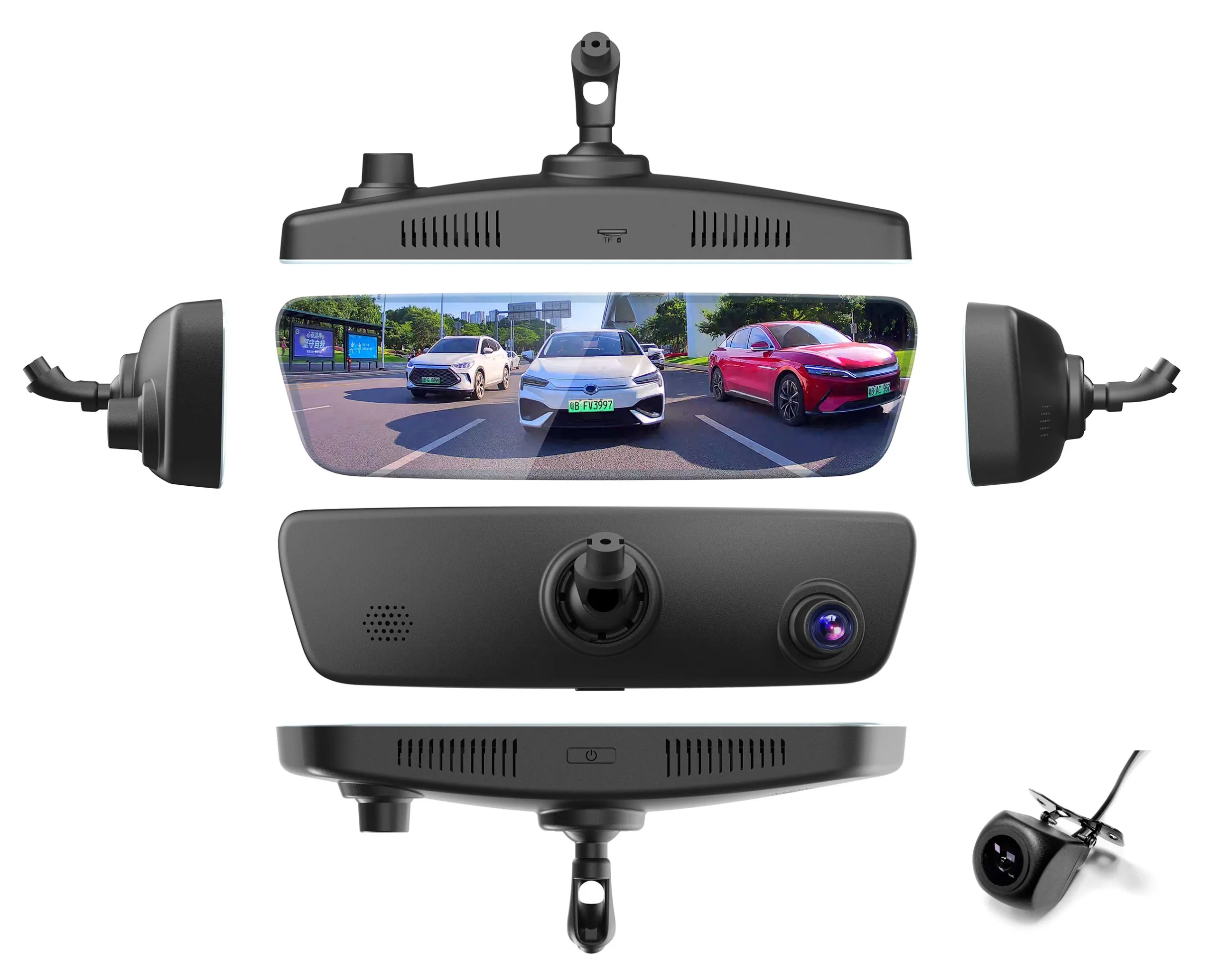
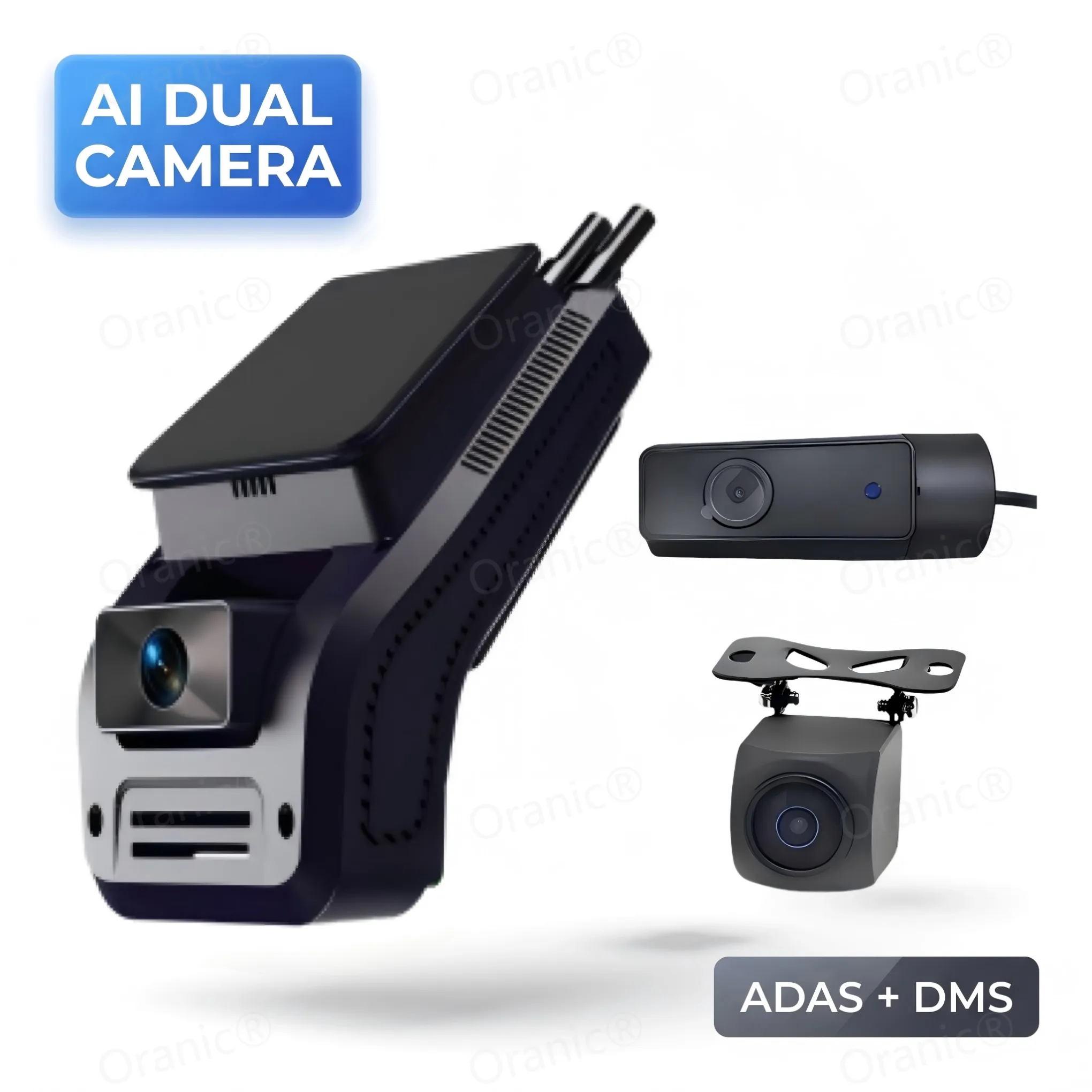
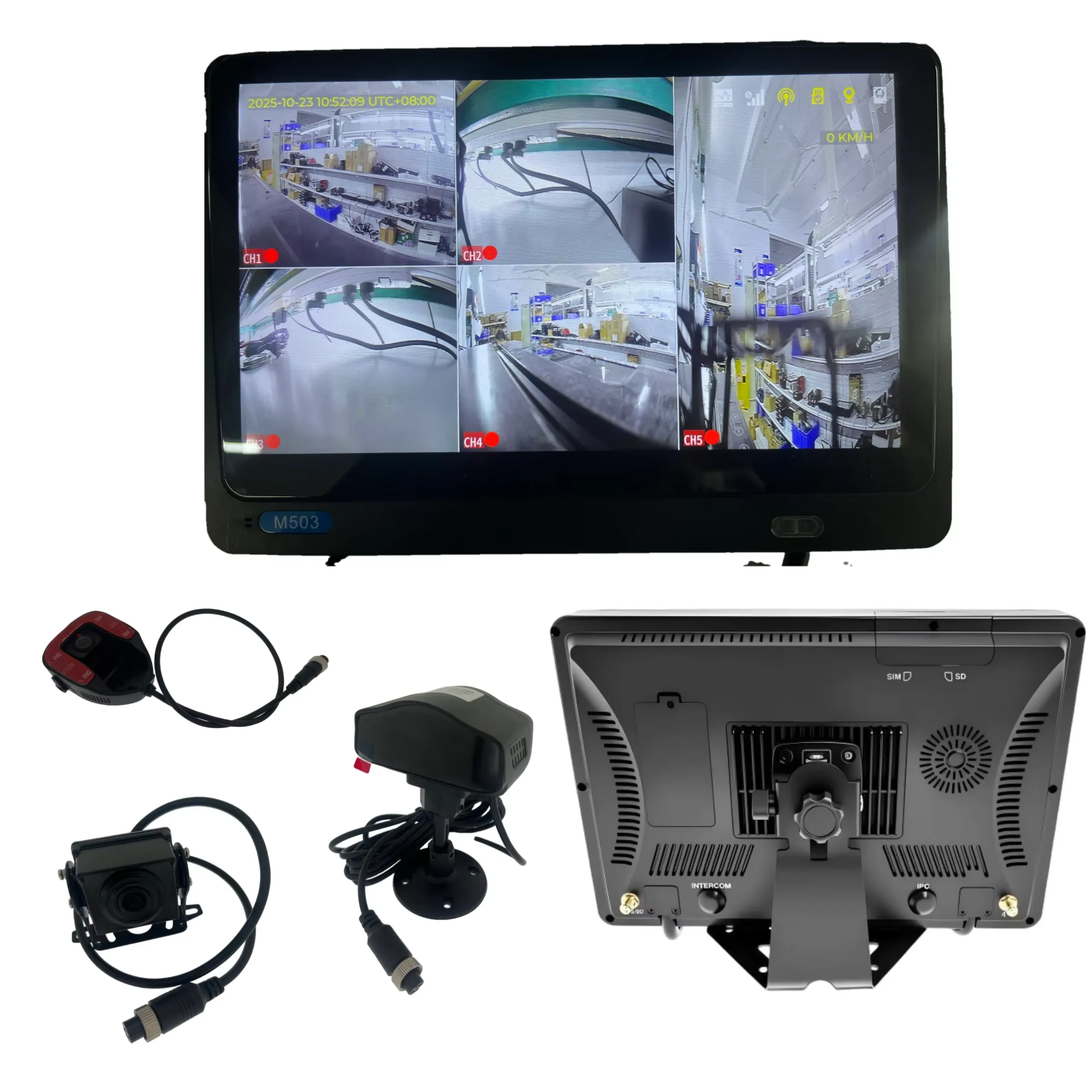
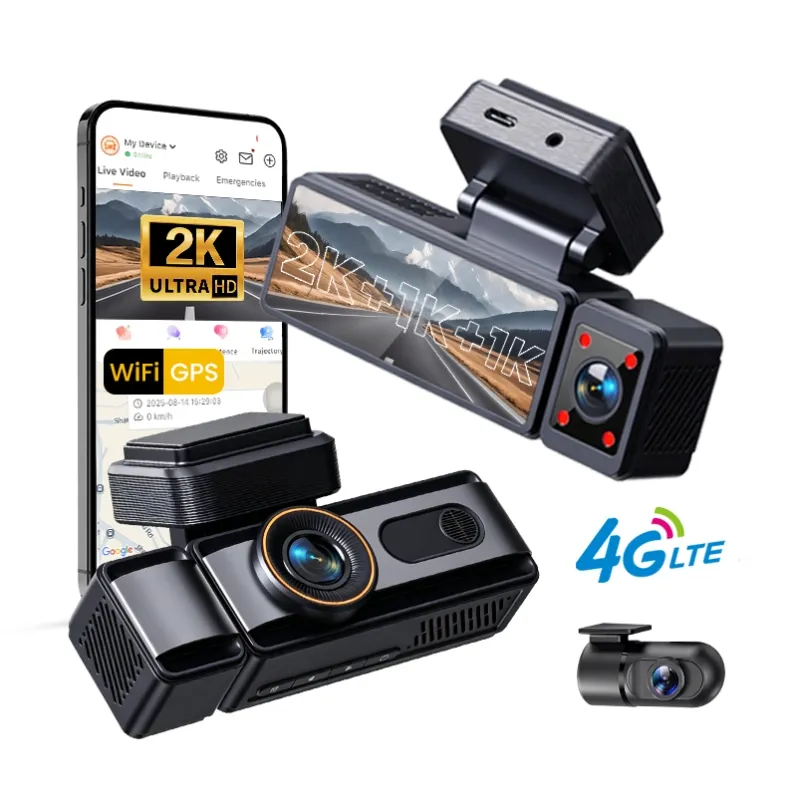
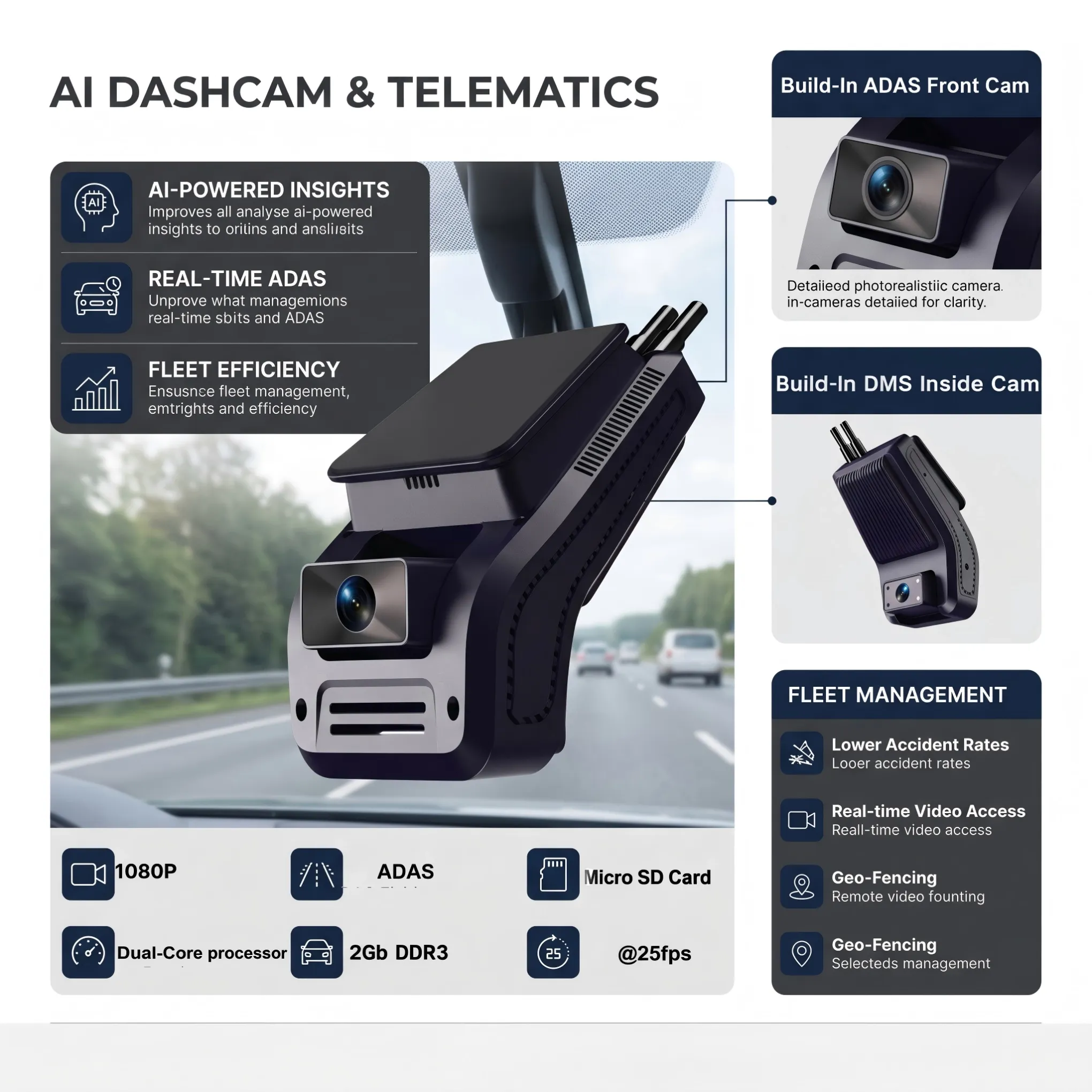
Modern fleet management systems use GPS tracking, telematics devices, AI dash cameras, and driver monitoring systems (DMS) to collect real-time driving information.
2. Why Is Driver Behavior Monitoring Important?
Monitoring driver behavior offers several benefits for fleet operators:
- Improved Road Safety: Identifying dangerous driving habits helps prevent accidents and protect drivers, passengers, and other road users.
- Lower Operating Costs: Smooth driving reduces unnecessary fuel consumption, tire wear, and vehicle maintenance expenses.
- Better Driver Accountability: Driving records provide objective data for evaluating driver performance and encouraging responsible driving.
- Increased Fleet Efficiency: Fleet managers can identify performance issues and provide targeted driver training.
3. How Does Technology Monitor Driver Behavior?
Modern fleet management solutions combine several technologies to provide comprehensive monitoring.
GPS Tracking: GPS devices record vehicle locations, speed, routes, and driving history, helping fleet managers identify speeding and inefficient driving patterns.
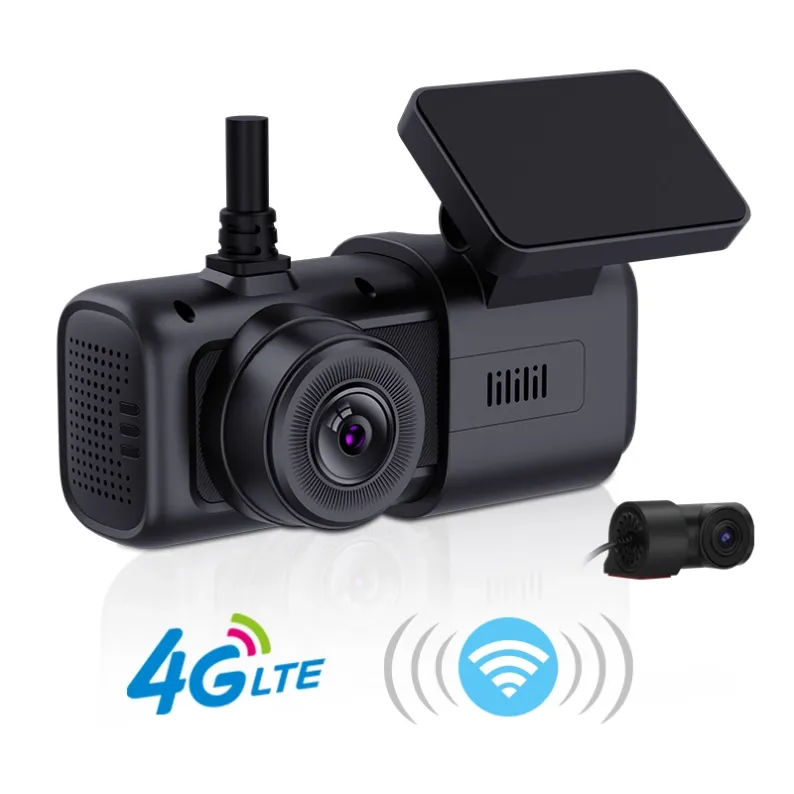
AI Dash Cameras: AI-powered dash cameras can detect risky driving events, such as distracted driving, phone usage, and driver fatigue. Some systems also provide real-time voice alerts to encourage safer driving.
Driver Monitoring Systems (DMS): DMS uses an in-cabin camera to monitor driver attention, eye movements, and head position. It can detect signs of fatigue or distraction and trigger immediate warnings.
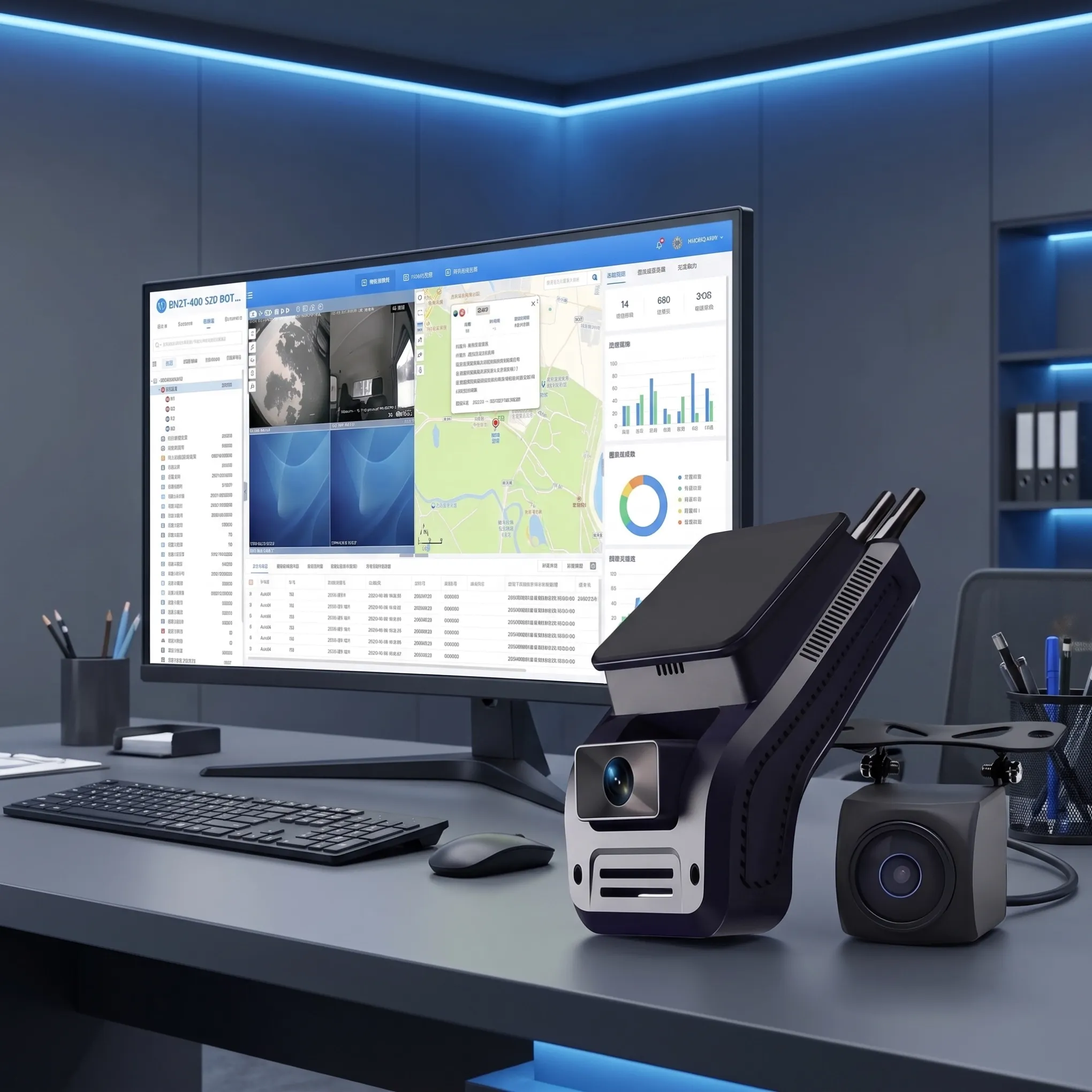
Cloud-Based Fleet Management Platforms: Platforms such as CMSV6 allow fleet managers to monitor multiple vehicles, review video footage, receive event notifications, and analyze driving records remotely.
4. Best Practices for Improving Driver Behavior
Technology alone cannot guarantee safer driving. Fleet managers should combine monitoring systems with effective management strategies:
- Establish clear driving safety policies and speed limits.
- Review driving reports regularly.
- Provide training for drivers with repeated safety violations.
- Recognize and reward drivers who maintain good driving records.
- Use real-time alerts to address dangerous behavior immediately.
5. Choose the Right Fleet Monitoring Solution
An effective driver behavior monitoring system should offer GPS tracking, video recording, real-time alerts, and AI-powered safety features. For commercial fleets, integrating ADAS, DMS, and BSD technologies can provide additional protection and improve overall visibility.
Conclusion
Driver behavior monitoring is an essential part of modern fleet management. By combining GPS tracking, AI dash cameras, and cloud-based management platforms, businesses can identify driving risks, reduce operating costs, and build safer, more efficient fleets.
Investing in intelligent fleet monitoring technology is not just about watching vehicles. It is about making better decisions and creating a safer driving environment for everyone.