Sep 11, 2026FAQs
Front vs. Rear vs. 3-Channel Dash Cams: How to Choose the Right Coverage
Selecting the right dash cam setup comes down to your primary risk exposure: are you protecting against front-end traffic incidents, rear-end collisions, or internal cabin liabilities?

Front vs. Rear vs. 3-Channel Dash Cams: How to Choose the Right Coverage
Selecting the right dash cam setup comes down to your primary risk exposure: are you protecting against front-end traffic incidents, rear-end collisions, or internal cabin liabilities?
Here is how single, dual, and triple-lens configurations compare in practical application.
1. Single-Channel (Front Only)
A front-facing camera captures the road directly ahead, documenting signal changes, lane departures, and head-on or side-swipe impacts.
- Best For: Daily commuters, budget-conscious individual drivers, or basic personal vehicles requiring straightforward liability protection.
- Key Considerations: Setup is minimal (plug-and-play via standard 12V outlets), but it leaves significant blind spots along the sides, rear bumper, and cabin interior.
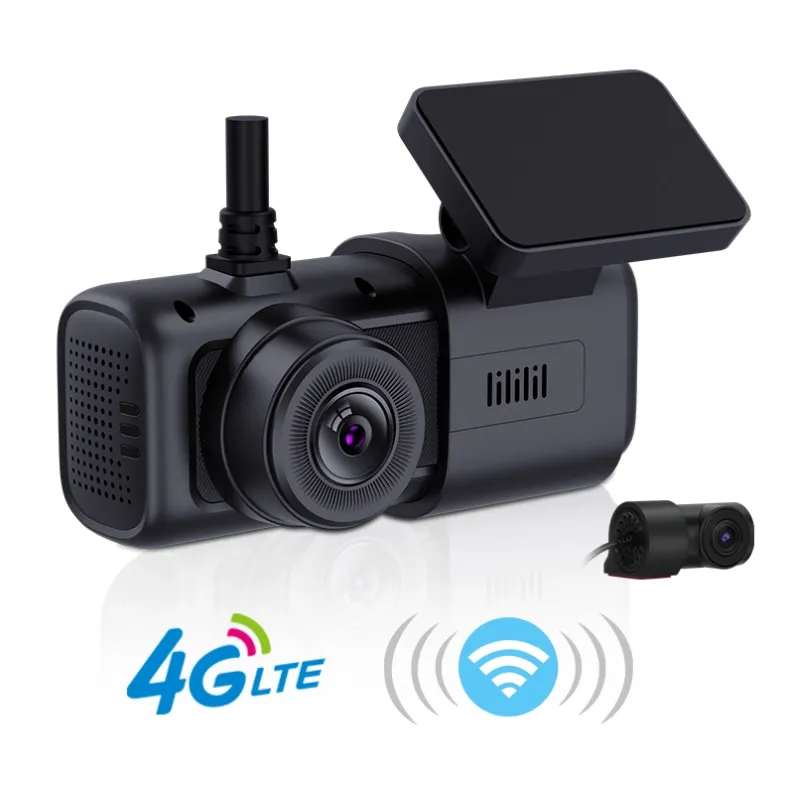
2. Dual-Channel (Front + Rear)
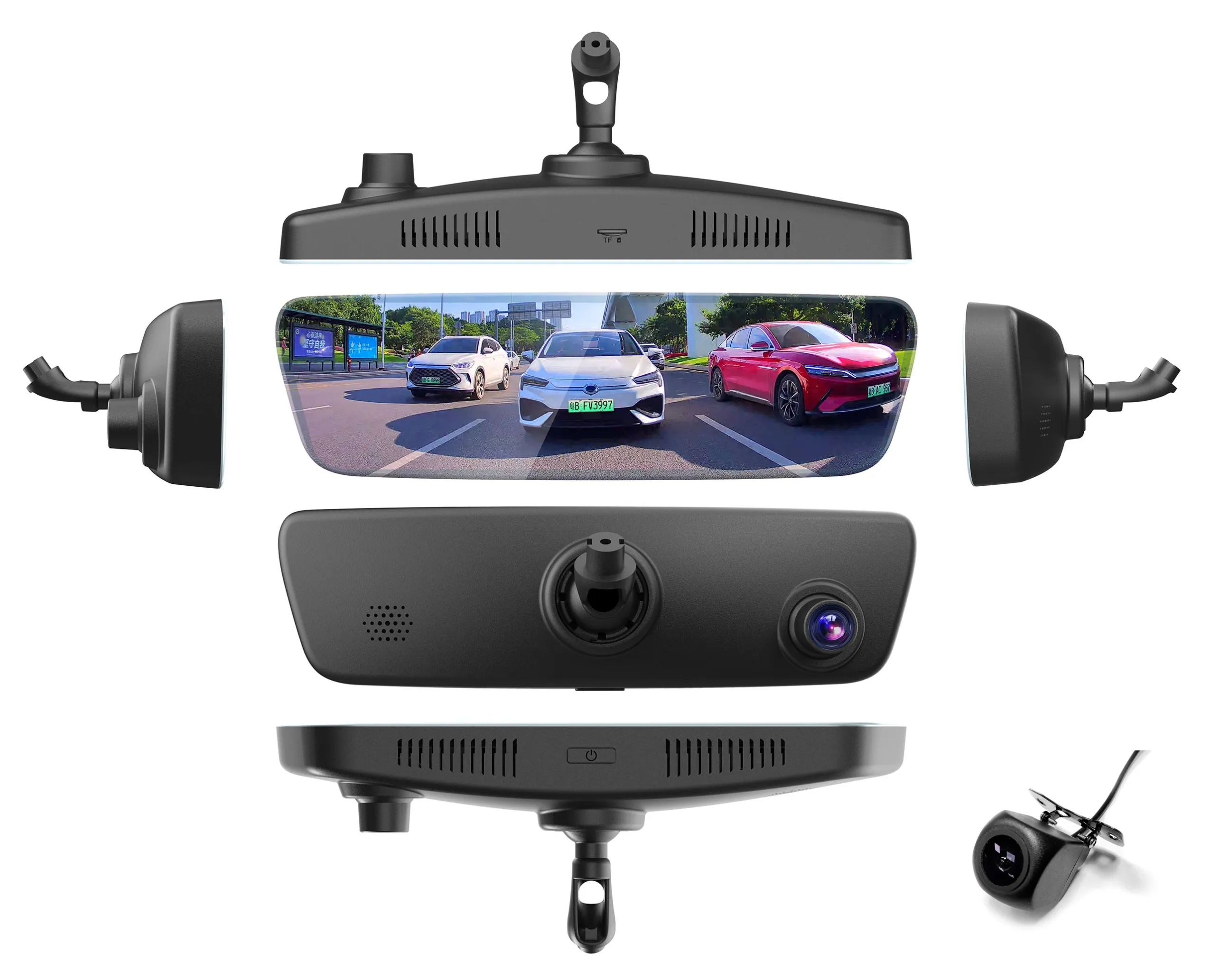
Dual-camera systems pair a front lens with a secondary camera mounted on the rear windshield or license plate frame. Rear-end impacts account for a massive percentage of traffic accidents, making secondary coverage vital for proving fault in tailgating, sudden brake, or hit-and-run scenarios.
- Best For: SUVs, cargo vans, pickup trucks, and vehicles with limited rear-window visibility or large tailgate blind spots.
- Key Considerations: Installation requires routing a coaxial cable along the vehicle's interior trim to power the rear unit.
3. 3-Channel (Front + Interior + Rear)
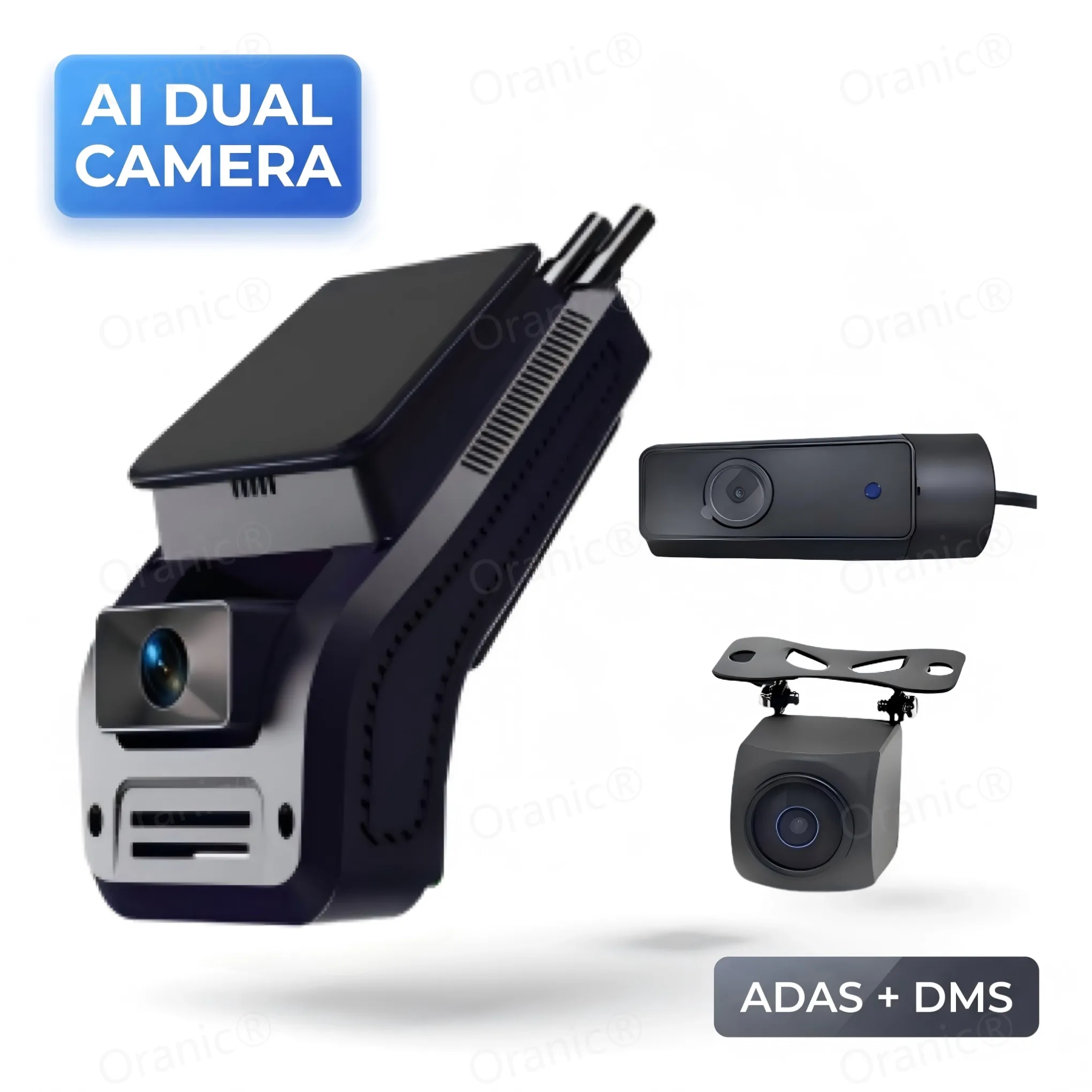
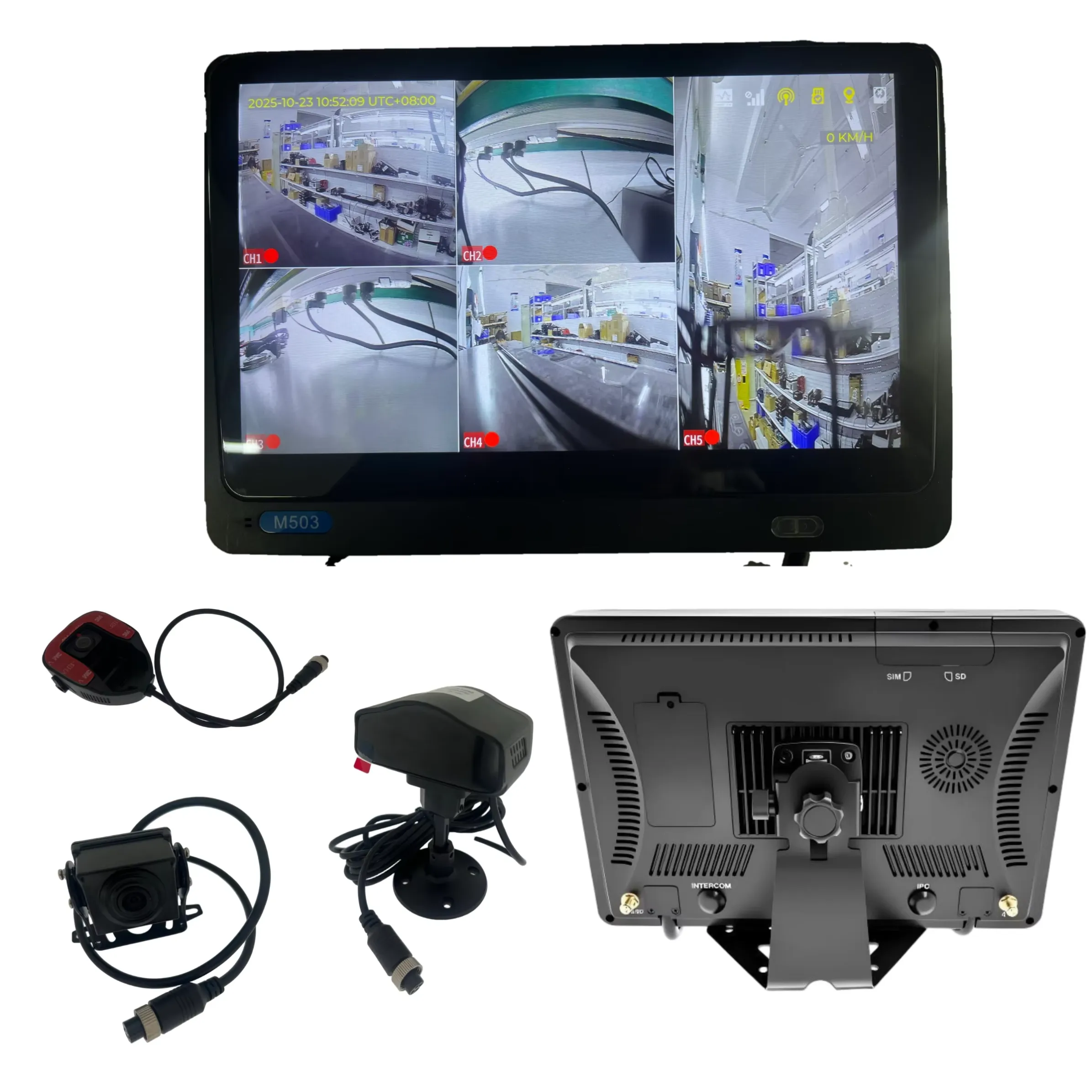
Triple-lens systems provide simultaneous 360-degree environmental awareness: front road, rear road, and internal cabin monitoring.
- Best For: Rideshare/taxi operators (Uber/Lyft), commercial delivery fleets, and high-liability transport services.
- Key Considerations:
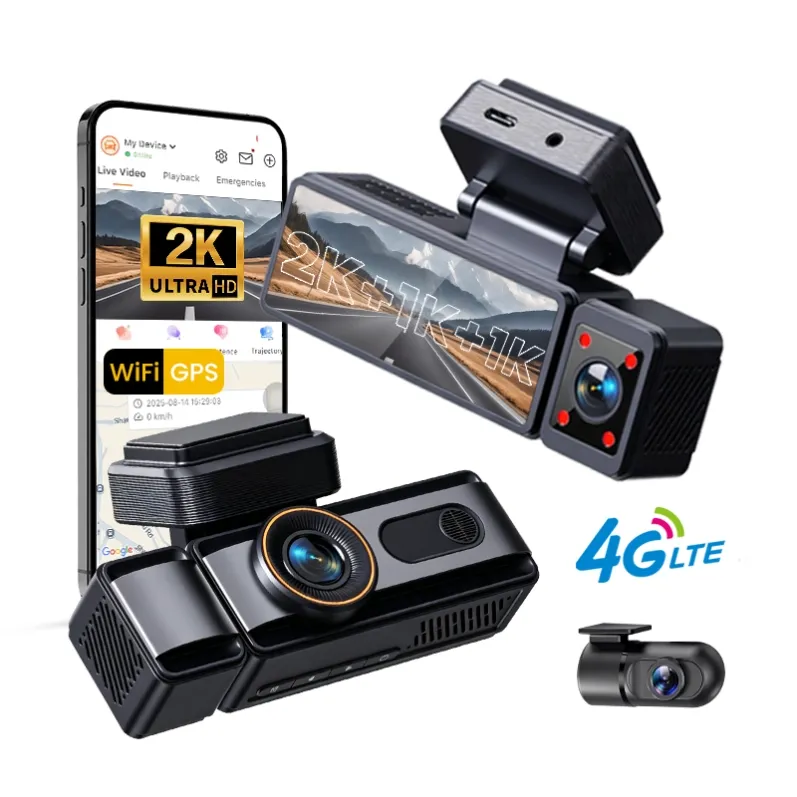
- Cabin Security: Interior lenses often feature infrared (IR) night vision to log driver-passenger interactions, preventing false claims and vandalism.
- Telematics & AI: Enterprise-grade 3-channel systems frequently integrate 4G LTE, GPS tracking, and edge AI capabilities like Driver Monitoring Systems (DMS) to detect fatigue, cell phone usage, or distraction.
Core Comparison
Feature | Front Only | Dual-Channel (Front + Rear) | 3-Channel (Front + Interior + Rear) |
Coverage Area | Forward road | Forward & reverse road | Road (front/rear) + Cabin interior |
Primary Use Case | Basic traffic evidence | Rear-end collision protection | Passenger safety & fleet risk management |
Installation Complexity | Low | Moderate | Moderate to High |
Storage Requirements | Low | Standard | High (Requires high-endurance memory) |
Key Takeaway
For everyday personal commuting, a solid 1080P or 2K front-facing unit covers basic legal needs. Upgrading to a dual-channel setup secures critical coverage against rear-end liability. For ride-hailing drivers and commercial operators managing operational risk, a 4G-connected 3-channel AI dash cam delivers complete oversight across all angles.