Aug 20, 2026FAQs
How AI Dash Cams Detect Driver Fatigue
Driver fatigue is a major safety hazard on the road, particularly for long-distance drivers and commercial fleet operators.
How AI Dash Cams Detect Driver Fatigue
Driver fatigue is a major safety hazard on the road, particularly for long-distance drivers and commercial fleet operators. Fatigue slows reaction times, reduces focus, and significantly increases accident risks. While traditional dash cams merely record event footage, AI-powered dash cams actively monitor driver behavior in real time to prevent collisions before they happen.
What Is Driver Fatigue Detection?
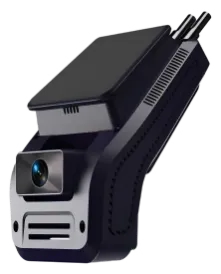
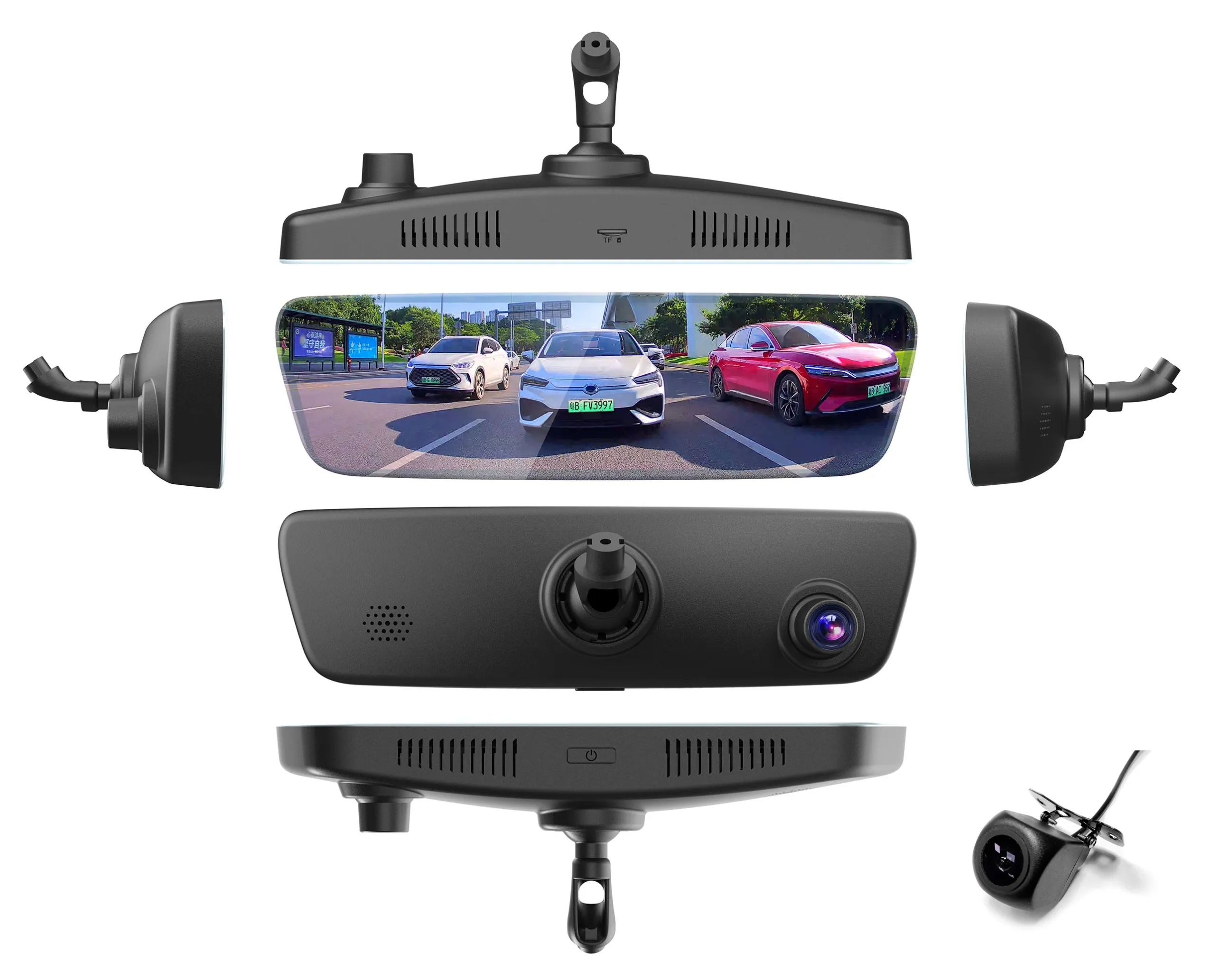
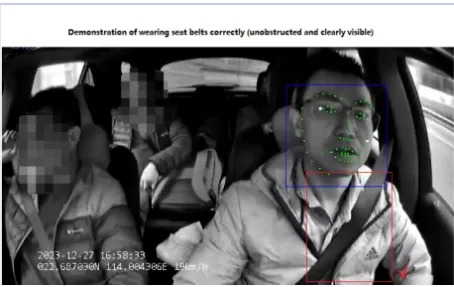
Driver fatigue detection is a safety feature that leverages artificial intelligence to identify early signs of drowsiness and distraction. Powered by an interior-facing Driver Monitoring System (DMS) camera, the system continuously analyzes facial features and behavior while the vehicle is in motion.
Key indicators monitored include:
- Prolonged blinking or eye closure
- Frequent yawning
- Head drooping or unnatural tilt
- Prolonged gaze deviation (looking away from the road)
When the system recognizes fatigue patterns, it triggers immediate in-cabin audible or visual alerts to bring the driver's focus back to the road.
How the AI Algorithm Works
AI dash cams combine high-definition vision hardware with deep-learning image processing algorithms:
- Facial Feature Mapping: The camera captures real-time video of the driver's face and maps critical landmarks (eyes, mouth, head posture).
- Behavioral Pattern Analysis: The AI tracks continuous data points—such as eyelid closure duration (PERCLOS) or yawning frequency—rather than isolated movements.
- Multi-Factor Verification: Advanced DMS dash cams cross-analyze multiple behavioral cues simultaneously. Combining eye tracking with head movement drastically reduces false positives and improves alert accuracy.
Why Fleet Operations Need DMS
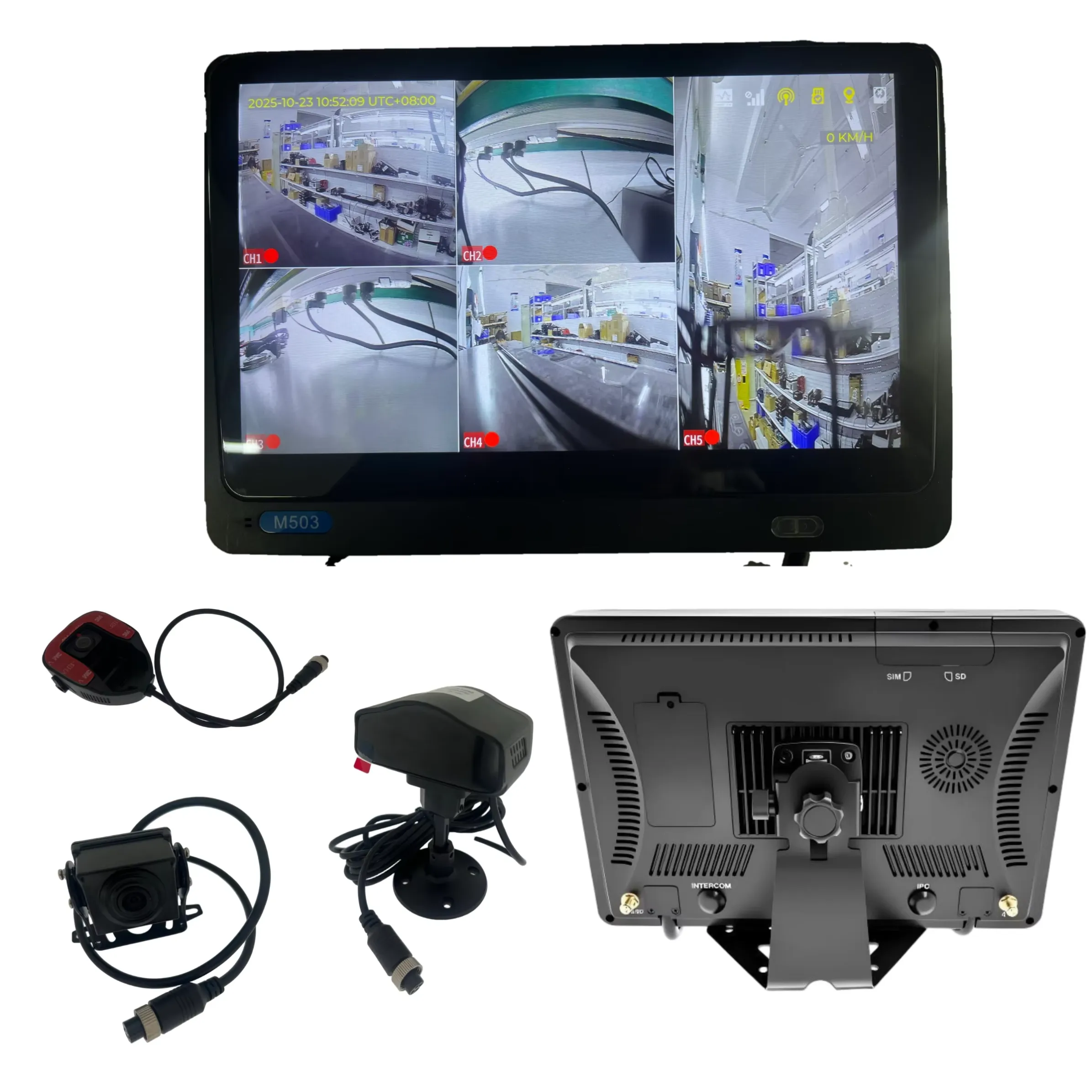
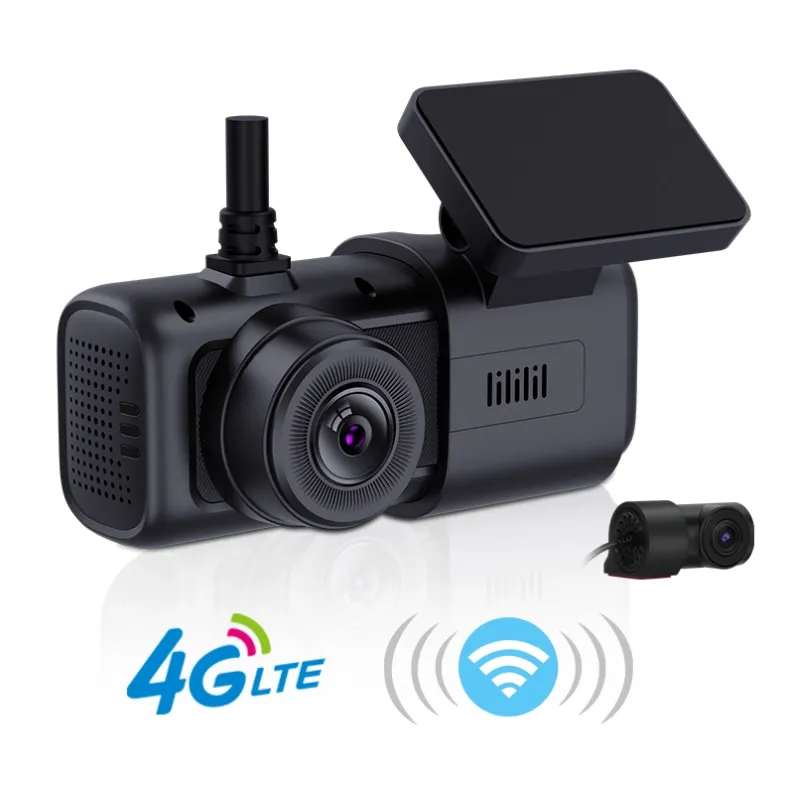
Fleet managers face a persistent challenge: monitoring driver state over long hours and extended distances. Integrating AI dash cams into a 4G telematics platform changes the dynamic:
- Real-Time In-Cabin Defense: Drivers receive instant feedback to correct dangerous behavior independently.
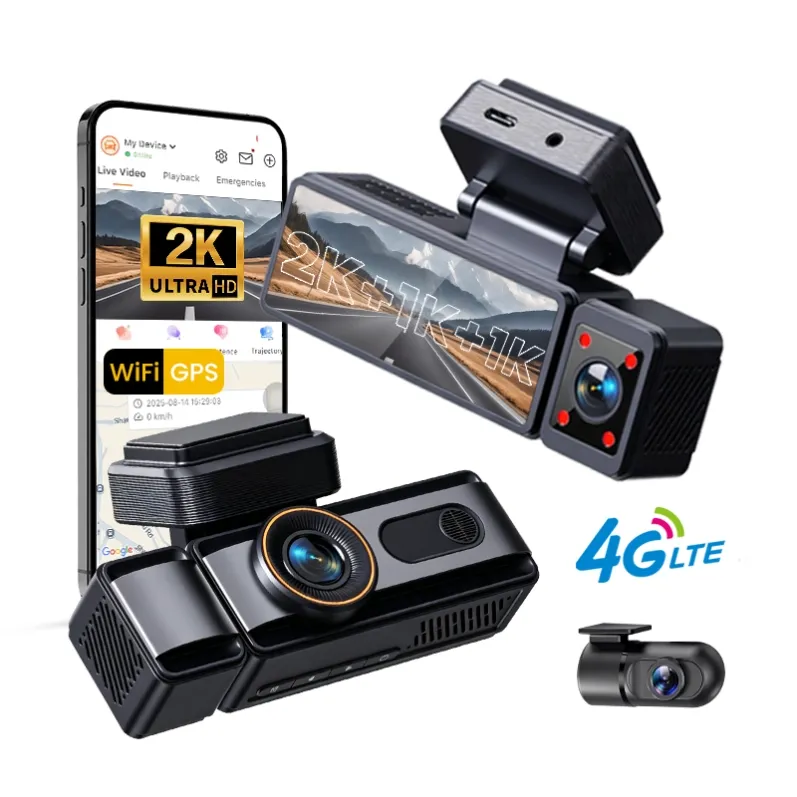
- Remote Event Uploads: Critical fatigue events automatically sync to the cloud (CMS/fleet platforms) via 4G LTE, giving dispatchers immediate visibility.
- Data-Driven Coaching: Fleet operators can use tagged event clips to tailor driver training, mitigate risks, and build stronger safety protocols.
AI Dash Cams vs. Traditional Dash Cams
Feature | Traditional Dash Cam | AI Dash Cam (DMS/ADAS) |
Primary Role | Passive video recording | Proactive risk prevention |
Coverage | Front / Rear road views | Road view + In-cabin driver state |
Active Safety | None (Post-incident evidence only) | Real-time alerts (DMS, ADAS, BSD) |
Connectivity | Local SD card storage | 4G Cloud integration & Live GPS |
Key Specs to Consider Before Deploying
Selecting the right AI dash cam for commercial deployment comes down to hardware reliability and platform compatibility. Prioritize the following specs:
- DMS Algorithm Accuracy: High precision under complex lighting conditions.
- Infrared (IR) Night Vision: Clear driver monitoring even in total darkness or with sunglasses.
- Telematics & Platform Integration: Seamless compatibility with fleet software (JT/T protocols, CMS platforms) via 4G and GPS tracking.
Transitioning from passive recording to active AI driver monitoring allows fleets to mitigate risk proactively, protect assets, and build a safer operating environment.