Oct 27, 2026FAQs
How Driver Monitoring Systems Reduce Fleet Risks
By combining AI technology with real-time video monitoring, DMS is becoming an essential tool for modern fleet management.
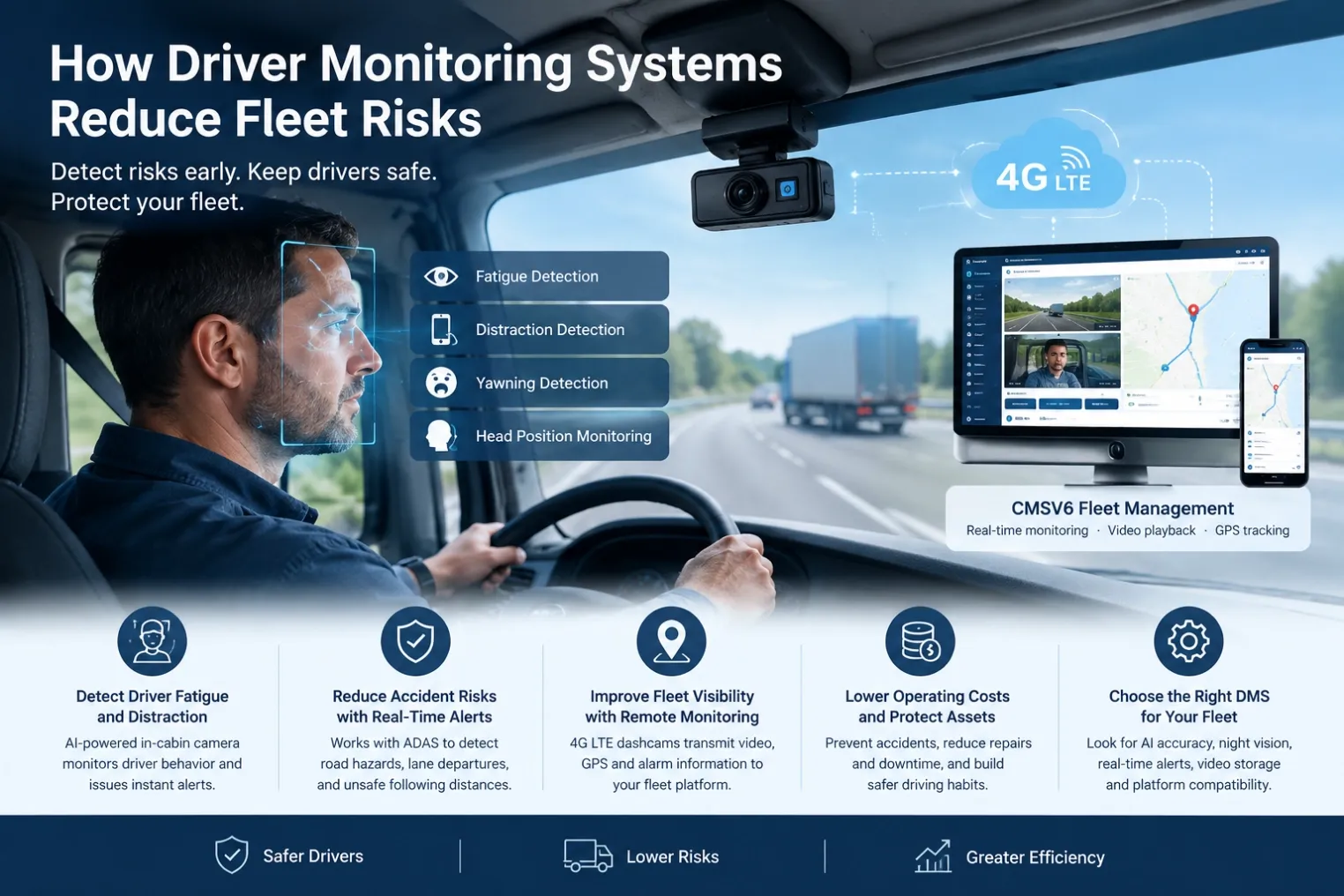
How Driver Monitoring Systems Reduce Fleet Risks
Managing a commercial fleet involves many risks, including driver fatigue, distracted driving, road accidents, and rising operating costs. A Driver Monitoring System (DMS) helps fleet operators identify unsafe driving behaviors and take action before they lead to serious incidents. By combining AI technology with real-time video monitoring, DMS is becoming an essential tool for modern fleet management.
1. Detect Driver Fatigue and Distraction
Driver fatigue is a major safety concern, especially for long-haul truck drivers and commercial vehicle operators. A DMS uses an in-cabin camera and AI algorithms to monitor driver behavior, including eye closure, yawning, and head position. It can detect signs of drowsiness, phone use, and other forms of distraction.
When an abnormal behavior is detected, the system can issue an in-cabin voice alert to remind the driver to pay attention or take a break. Early warnings help reduce the risk of accidents caused by delayed reactions or loss of concentration.
2. Reduce Accident Risks with Real-Time Alerts
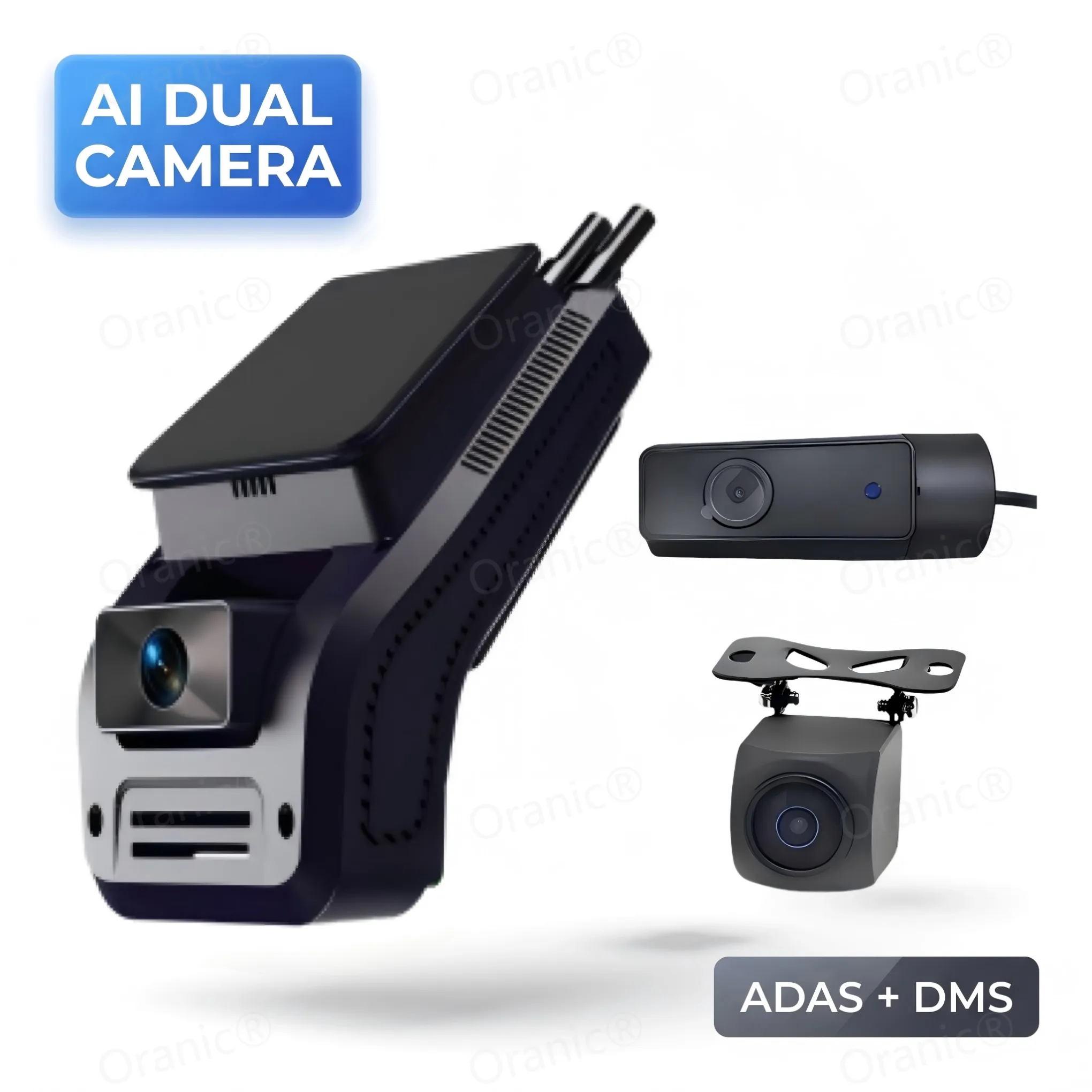
A reliable driver monitoring system provides immediate alerts when unsafe behavior occurs. When integrated with Advanced Driver Assistance Systems (ADAS), it can offer additional protection by detecting potential road hazards, unsafe following distances, or lane departures.
Combining DMS with ADAS gives fleet managers a more complete view of driver behavior and driving conditions. This integrated approach helps improve road safety and supports proactive accident prevention.
3. Improve Fleet Visibility with Remote Monitoring
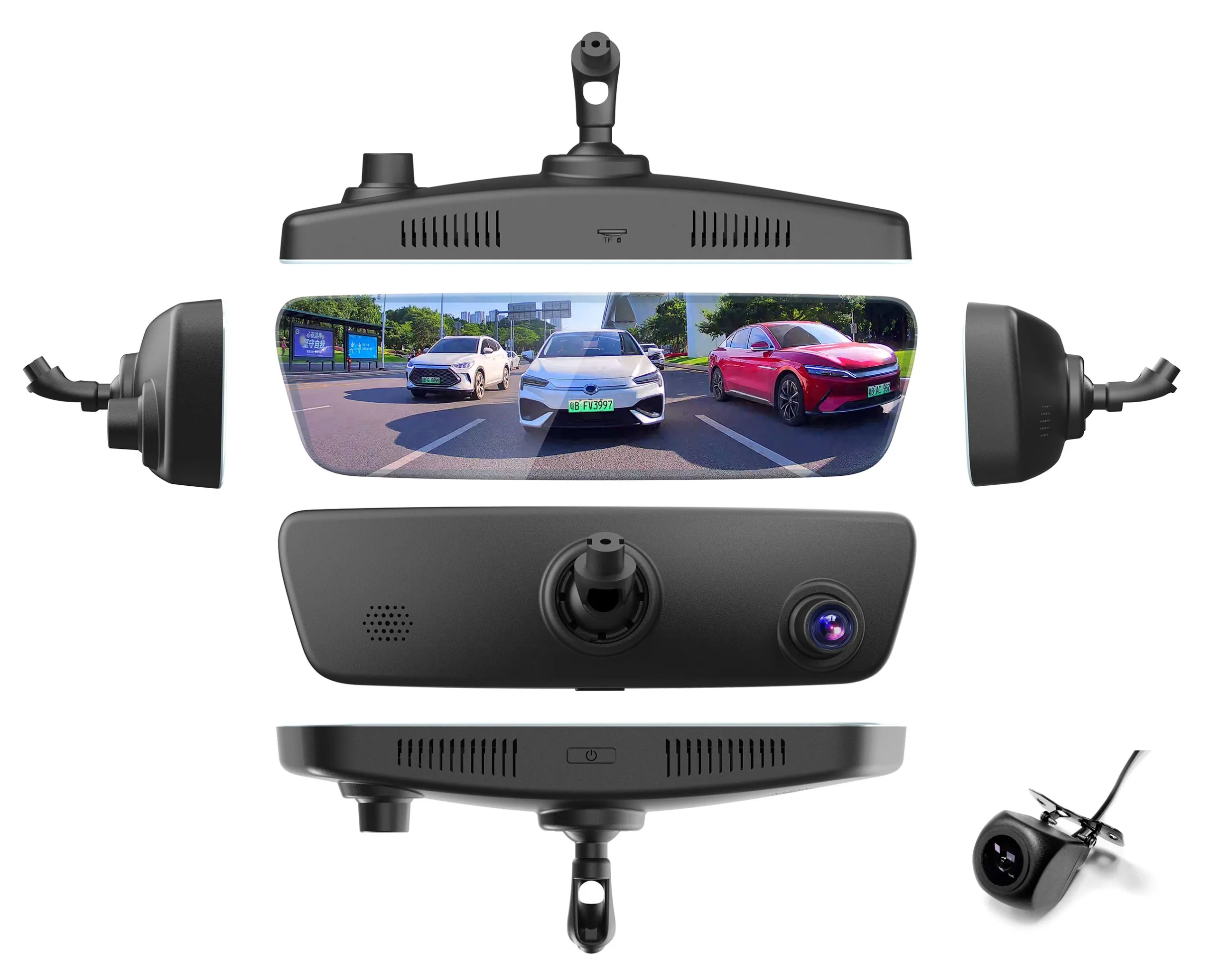
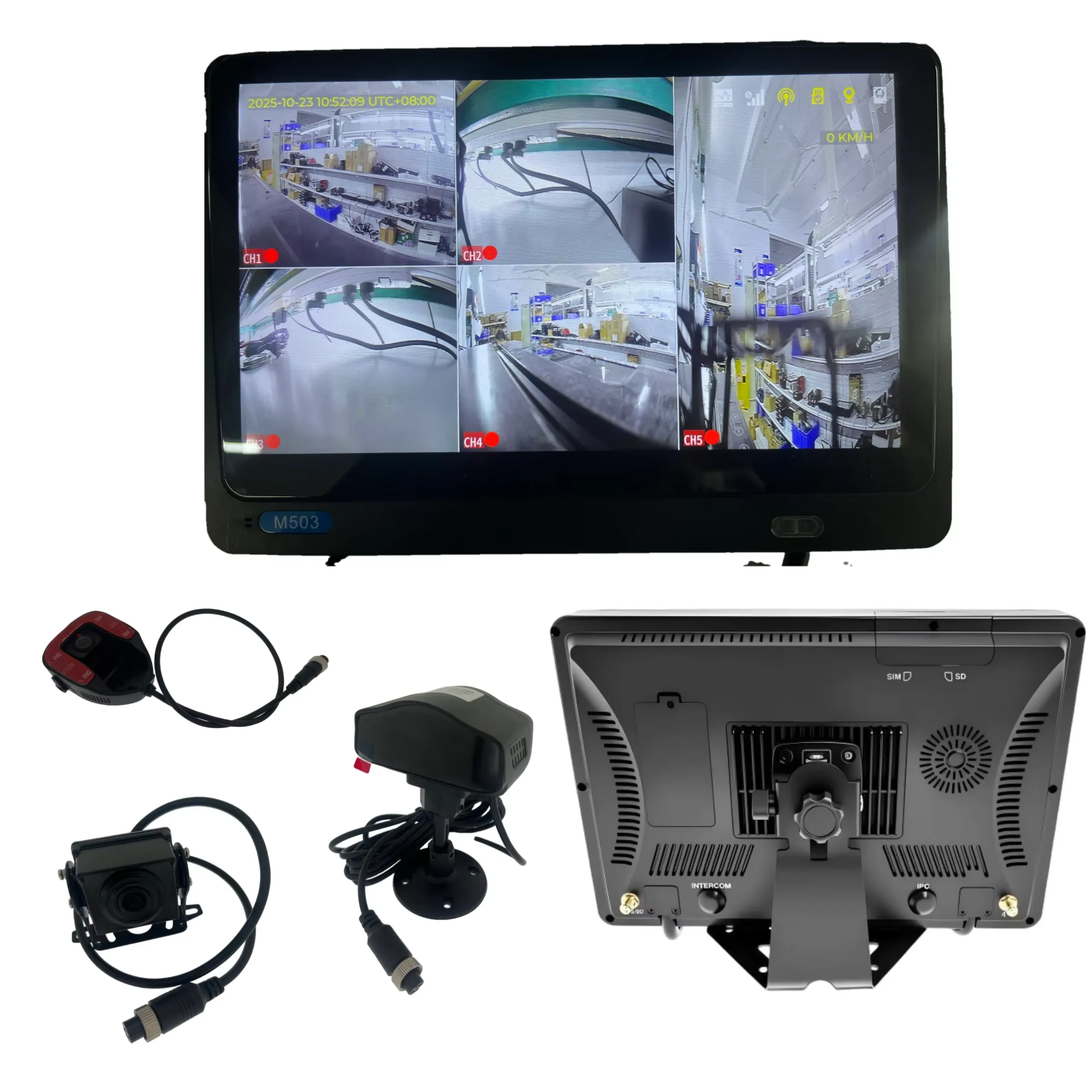
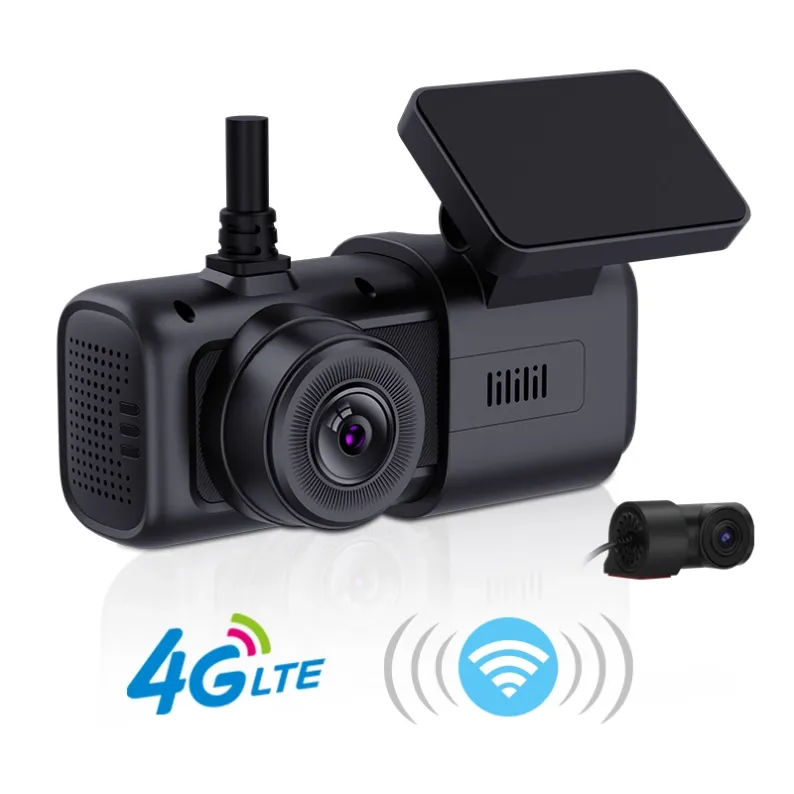
Modern 4G LTE smart dashcams can transmit video, GPS location, and alarm information to a fleet management platform such as CMSV6. Fleet managers can remotely review driving events, identify recurring safety issues, and investigate incidents without needing to retrieve the vehicle physically.
Recorded footage also provides valuable evidence in the event of accidents or disputes, helping businesses understand what happened and make better decisions.
4. Lower Operating Costs and Protect Fleet Assets
Accidents can lead to vehicle repairs, insurance claims, delivery delays, and unexpected downtime. By identifying risky driving patterns and providing timely warnings, DMS helps companies encourage safer driving habits and potentially reduce these expenses.
Driver behavior reports can also support targeted training, helping fleet operators build a stronger safety culture across their teams.
5. Choose the Right DMS for Your Fleet
When selecting a driver monitoring system, consider AI detection accuracy, night vision performance, real-time alerts, video storage, and compatibility with your existing fleet management platform. For commercial fleets, a 4G LTE dashcam with DMS, ADAS, GPS tracking, and remote video access can provide an integrated solution.
Conclusion
A Driver Monitoring System does more than record the driver's actions. It helps detect risks early, improve driver accountability, and give fleet managers greater visibility into daily operations. By integrating DMS with smart dashcams and fleet management software, businesses can take a proactive approach to reducing fleet risks and building safer, more efficient transportation operations.