Sep 11, 2026FAQs
How to Choose the Right Commercial Truck Dash Cam
Due to long hours, harsh road environments, and significant blind spots, heavy-duty trucks require commercial-grade durability, wider coverage, and real-time connectivity.

How to Choose the Right Commercial Truck Dash Cam
Selecting a dash cam for commercial trucks involves very different priorities than picking one for a personal passenger vehicle. Due to long hours, harsh road environments, and significant blind spots, heavy-duty trucks require commercial-grade durability, wider coverage, and real-time connectivity.
Here is what to evaluate before equipping your fleet.
1. System Architecture & Camera Channels
Standard single-lens cameras only capture what’s directly ahead. Commercial trucks benefit far more from multi-channel setups:
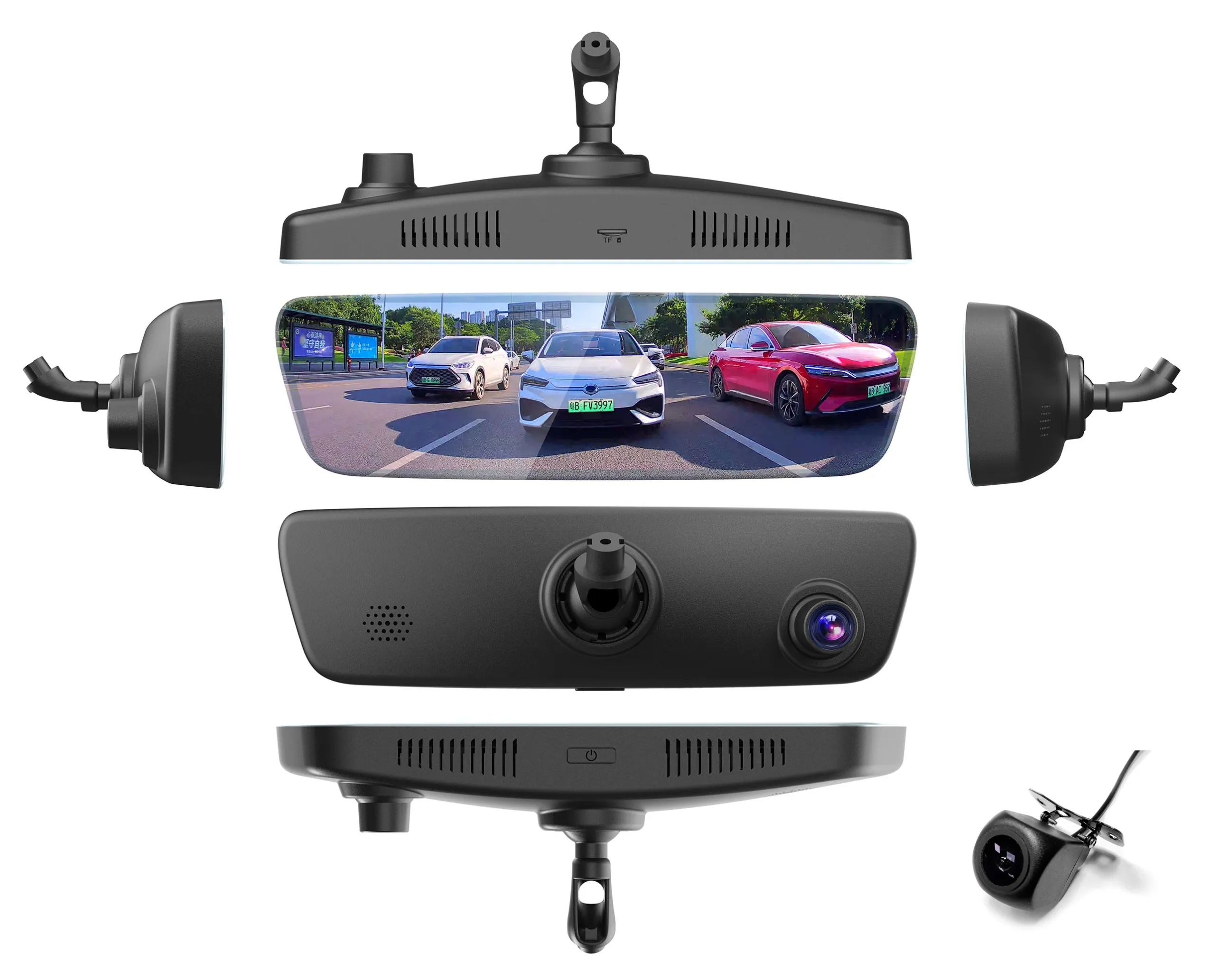
- Dual-Channel (2-CH): Typically covers the road ahead and the interior cabin or rear.
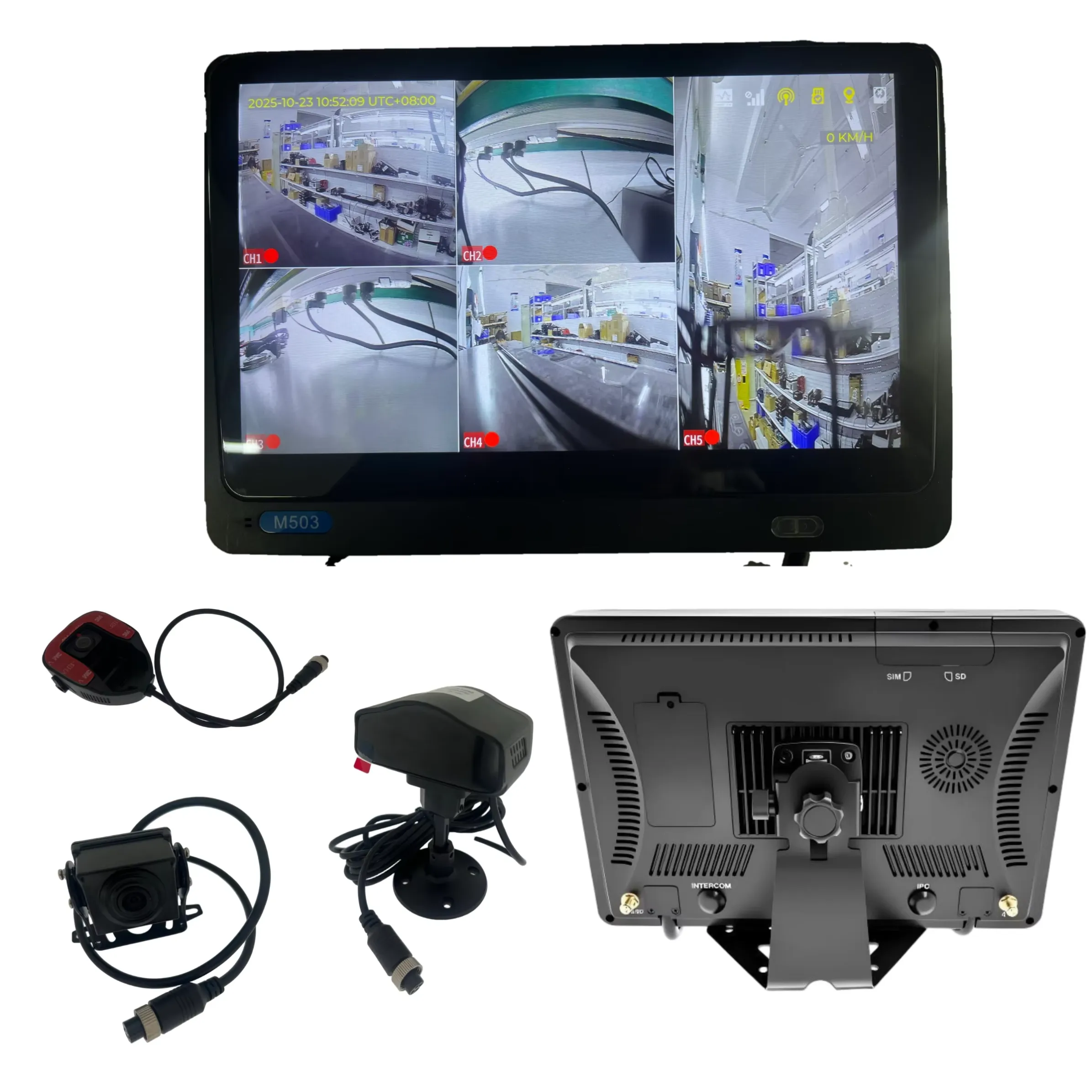
- Multi-Channel (4-CH to 8-CH / MDVR): Integrates side-mirror, rear-trailer, and blind-spot cameras, giving fleet operators 360-degree visibility around large rigs.
2. Resolution vs. Storage Balance
While 2K and 4K cameras deliver sharper detail for license plates and road signage, they generate significantly larger file sizes that consume bandwidth during cloud uploads. For most commercial fleets, a solid 1080P at 30 FPS with strong dynamic range (WDR/HDR) offers the optimal balance between visual clarity, storage efficiency, and streaming stability.
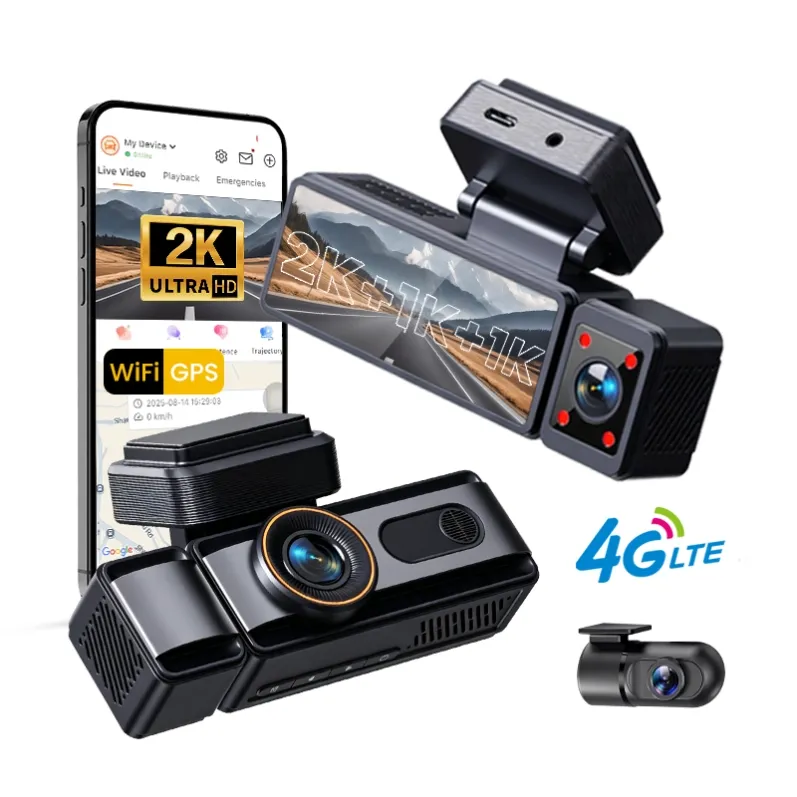
3. Cellular Connectivity (4G LTE) and Telematics
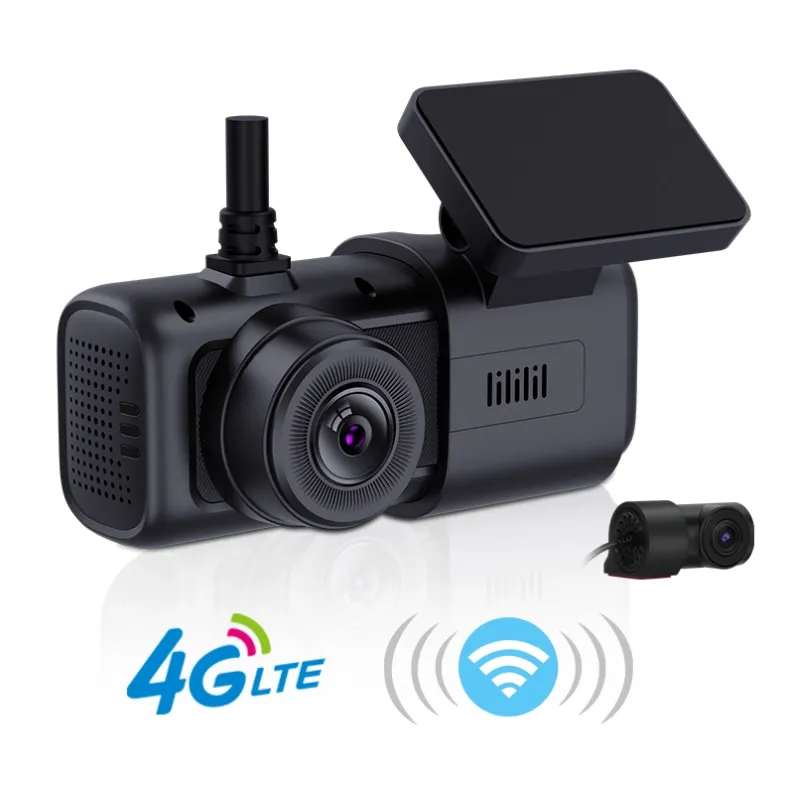
A standalone camera simply records incidents after they happen; a 4G LTE-enabled dash cam serves as an active fleet management node. Integrated cellular modules and GPS tracking allow fleet managers to:
- Stream live video feeds remotely during emergencies.
- Receive instant event alerts (harsh braking, collisions, tampering).
- Track real-time vehicle locations, speed metrics, and route history.
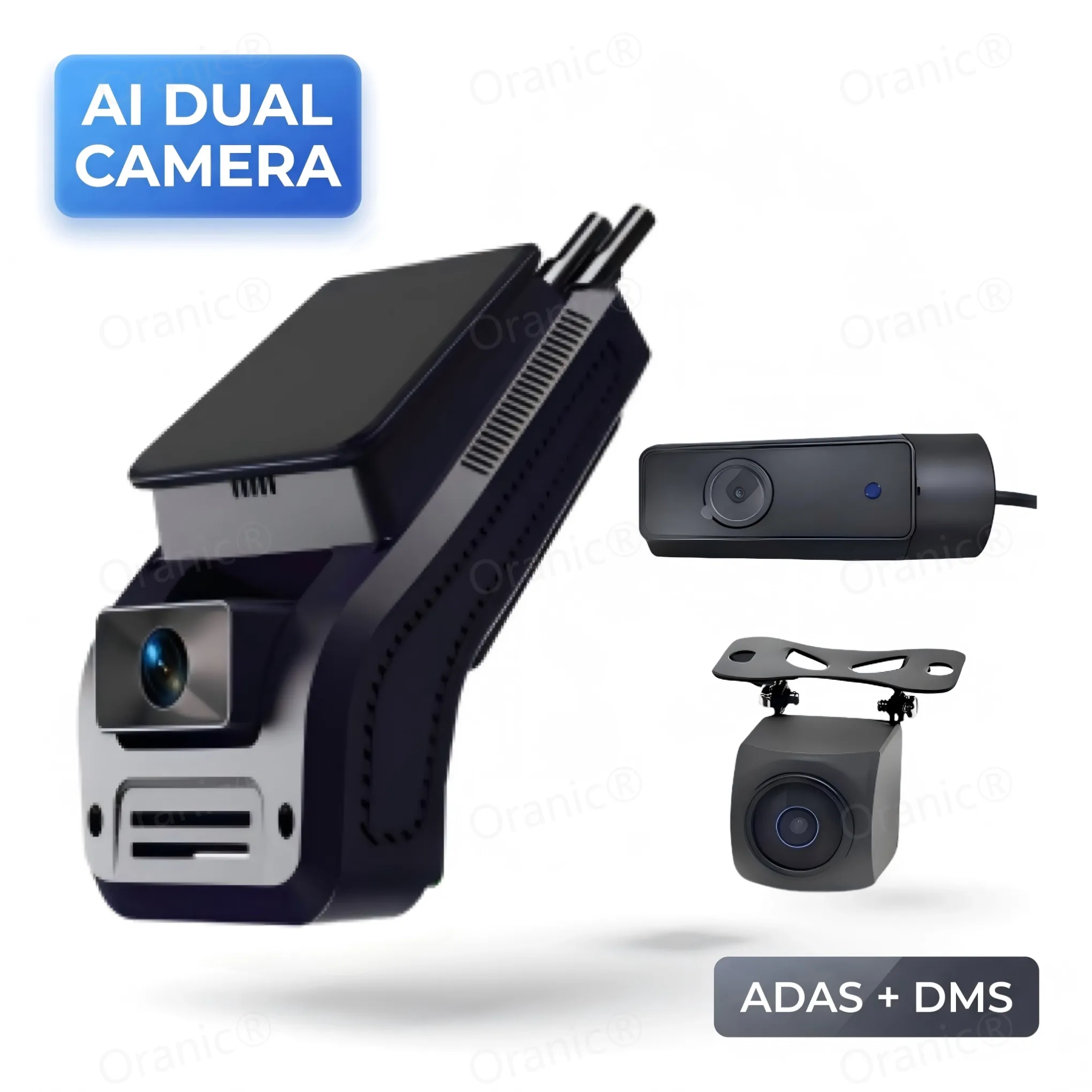
4. Active AI Driver-Assistance (ADAS & DMS)
Modern enterprise dash cams act as co-pilots by using edge AI processing:
- Driver Monitoring Systems (DMS): Detect driver fatigue, eye closure, phone usage, smoking, or distraction inside the cab.
- Advanced Driver Assistance Systems (ADAS): Warn against forward collisions, tailgating, and lane departures.
- Blind Spot Detection (BSD): Alerts drivers to vulnerable road users or side obstacles when turning or changing lanes.
5. Industrial-Grade Reliability & Storage
Commercial vehicles operate under high vibration, wide temperature swings, and long continuous cycles. Ensure the hardware features:
- Storage Resilience: Support for high-endurance Class 10/U3 micro SD cards or dual-SD/SSD slots to prevent data loss from constant overwrite cycles.
- Thermal & Vibration Protection: Ruggedized enclosures, aviation-style lock connectors, and supercapacitors (instead of standard lithium batteries) to handle extreme heat and power cuts safely.
Key Takeaway
If you only need basic incident logging, a reliable 1080P front-facing unit will suffice. However, for fleet risk management, insurance compliance, and operational efficiency, investing in a multi-channel 4G AI dash cam delivers the greatest return on investment over time.