Sep 4, 2026FAQs
How to Select a Dash Cam System for Commercial Trucks & Fleets
Choosing the right setup depends on whether you need simple incident recording or a full telematics-integrated fleet safety solution.
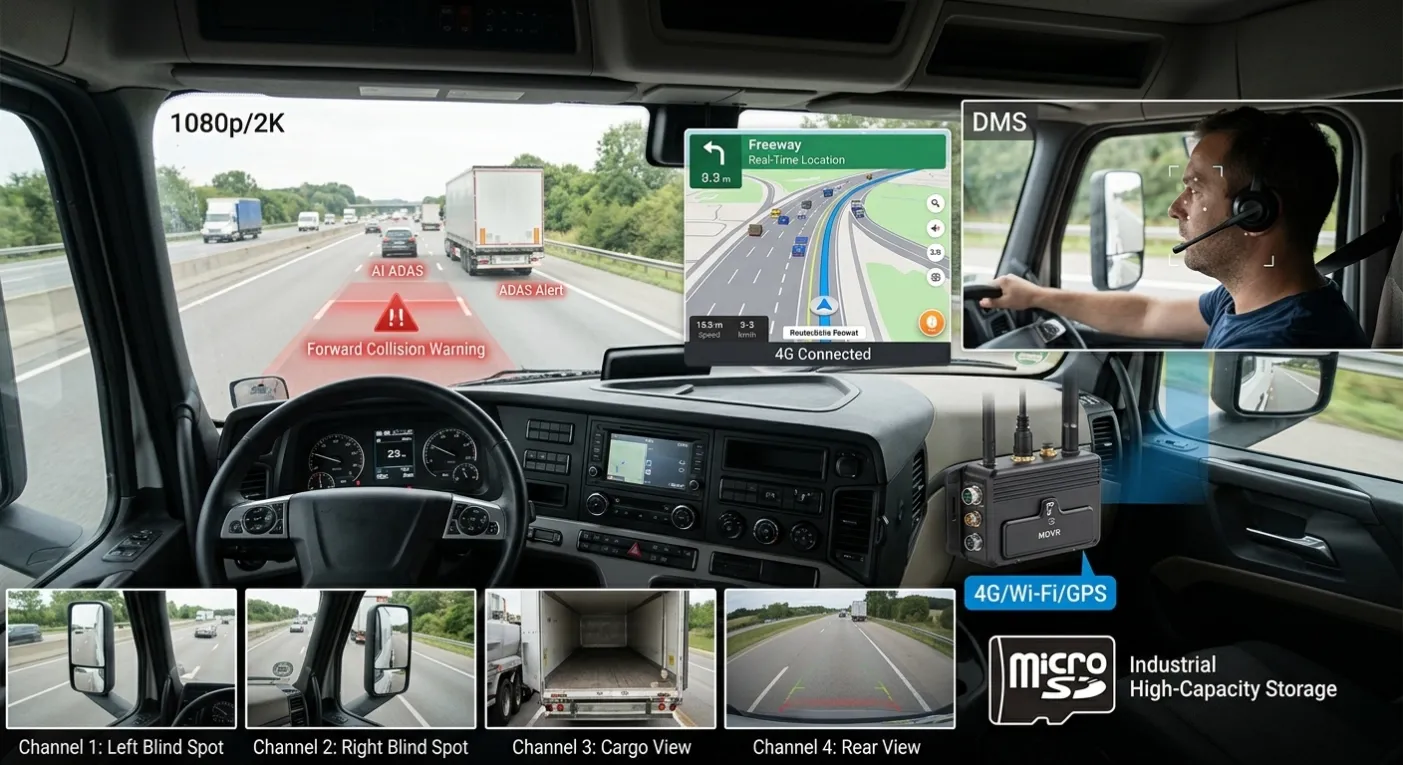
How to Select a Dash Cam System for Commercial Trucks & Fleets
Unlike passenger vehicles, commercial trucks demand dash cams built for continuous duty cycles, high vibration, and remote operational visibility. Choosing the right setup depends on whether you need simple incident recording or a full telematics-integrated fleet safety solution.
1. Multi-Channel MDVR vs. Standalone Dash Cams
Single-channel cameras miss critical side and rear angles, leaving severe blind spot risks.
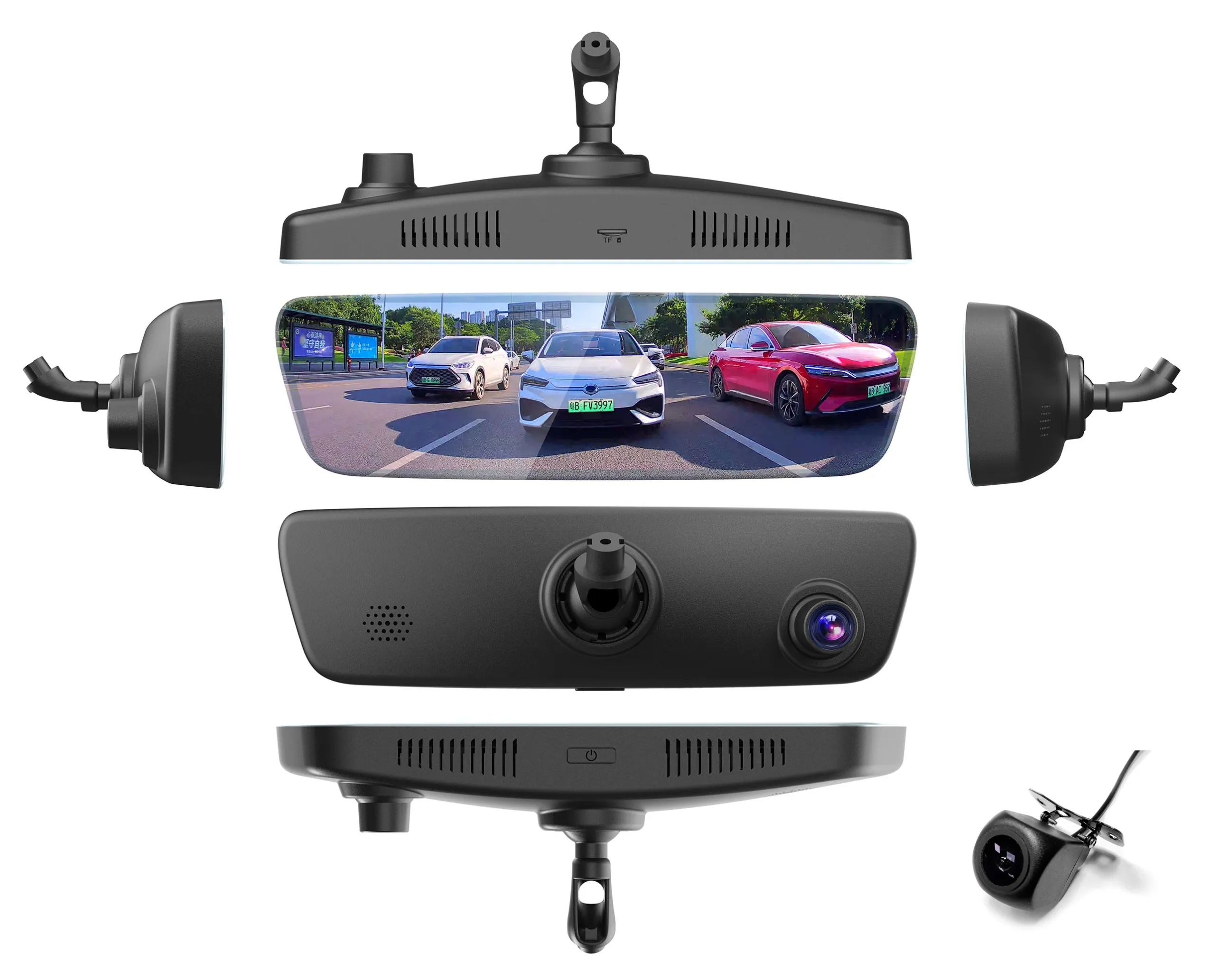
- Front + Cab (Dual-Channel): Baseline standard for basic liability protection and driver monitoring.
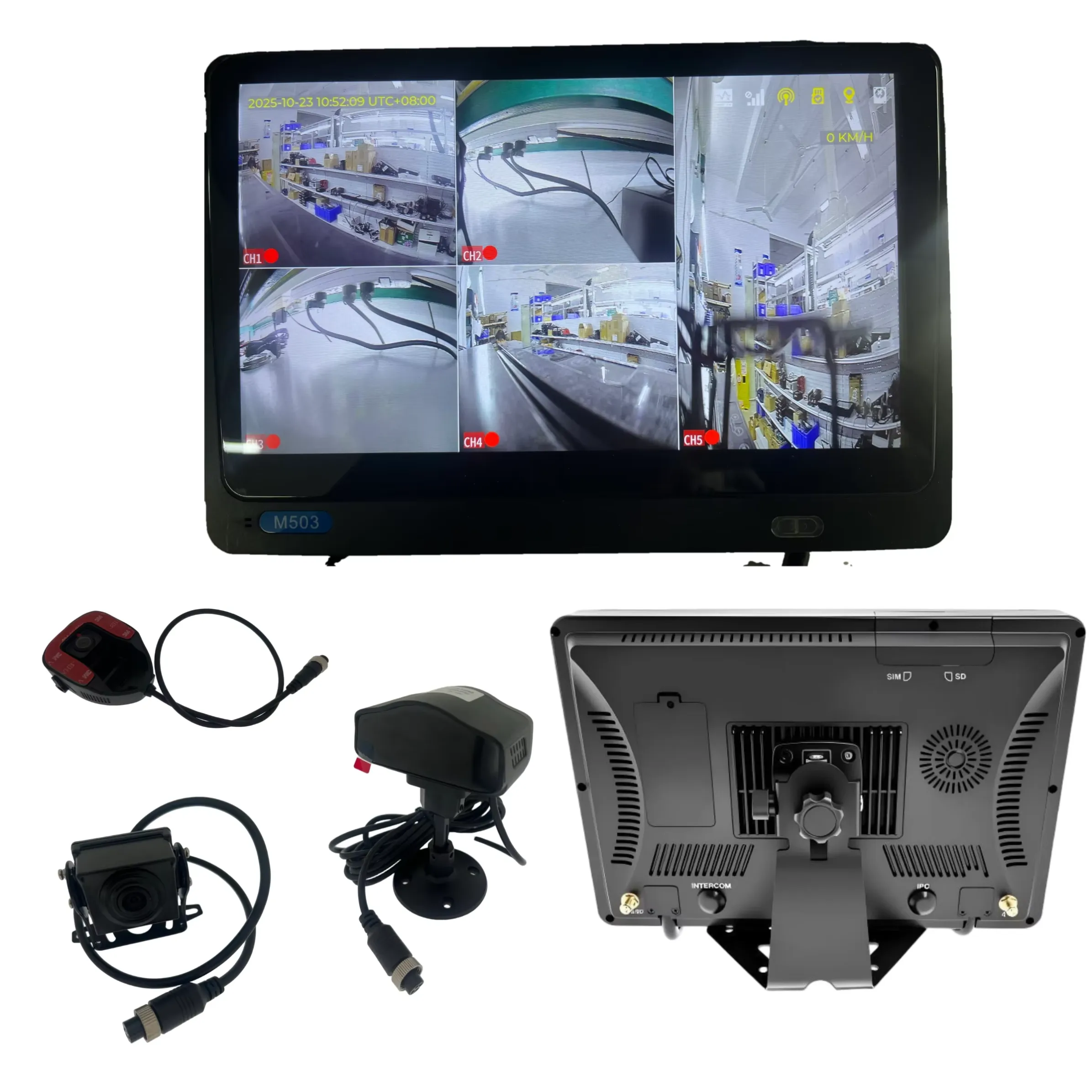
- 4-to-8 Channel MDVR Systems: Essential for heavy-duty trucks and articulated rigs. Supports exterior side-view cameras (mounting near side mirrors), rear cargo cameras, and interior cargo monitoring to eliminate blind spots and protect against claims.
2. Resolution & Dynamic Range in Real-World Conditions
High pixel counts mean nothing if footage is washed out at night or degraded by severe cab vibration.
- Resolution: 1080p at 30/60 FPS is often the ideal sweet spot for commercial storage efficiency, though 2K provides better license plate capture at long distances.
- WDR / HDR & Sensor Grade: Prioritize Wide Dynamic Range (WDR) and Sony STARVIS-grade sensors over raw resolution. Fleet cameras must handle extreme contrast—such as headlights on dark highways or exiting tunnels—without blowout.
3. Live 4G Telematics & GPS Tracking
SD card retrieval isn't scalable for growing fleets.
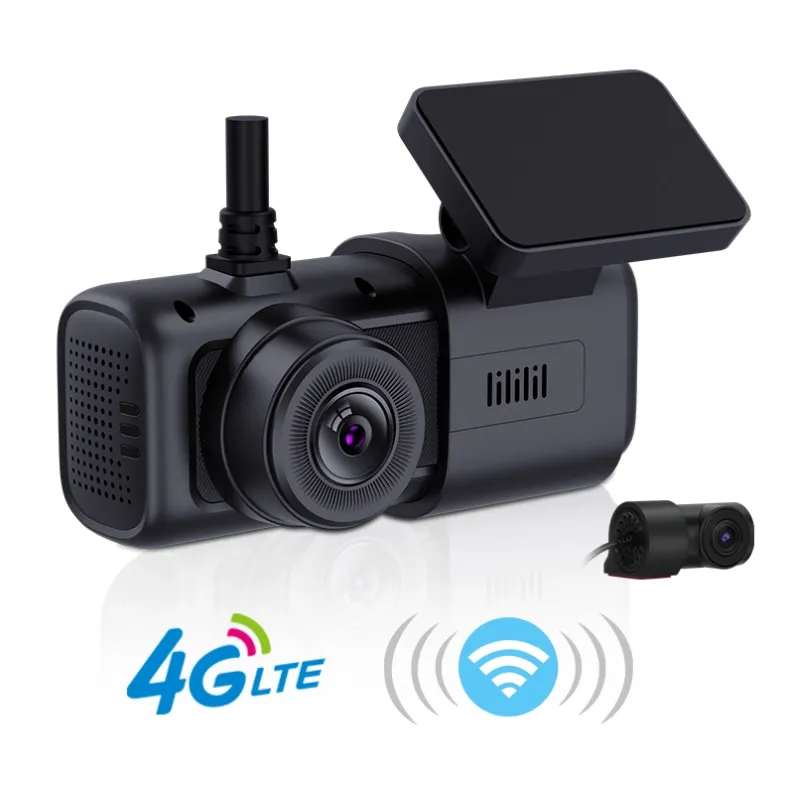
- Real-Time Visibility: 4G LTE integration enables live video streaming, instant incident upload to cloud platforms, and remote OTA firmware updates.
- Geofencing & Telematics: Embedded GPS logs route history, speed metrics, and harsh driving events (braking, cornering) directly into your Fleet Management Software (FMS).
4. Active Risk Prevention: AI-ADAS, DMS & BSD
Modern truck cameras should prevent accidents before they happen, not just record them.
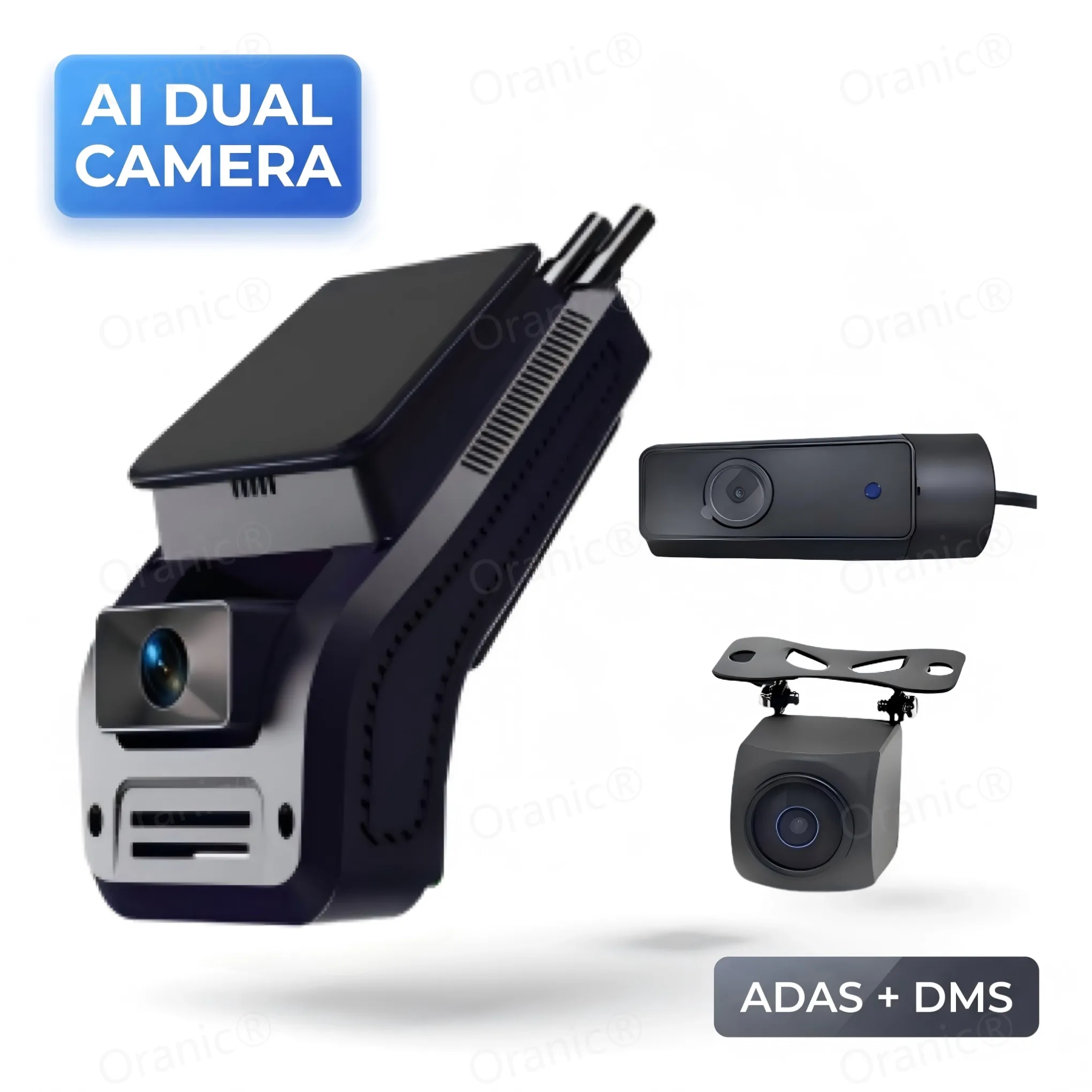
- ADAS (Advanced Driver Assistance): Triggers real-time cab alerts for forward collision risk and lane drift.
- DMS (Driver Monitoring System): Tracks facial metrics to detect fatigue, yawning, phone distraction, or smoking.
- BSD (Blind Spot Detection): Uses AI vision/radar to alert drivers to pedestrians or cyclists in heavy-vehicle blind zones during turns.
5. Industrial-Grade Hardware & Storage Architecture
Commercial environments destroy consumer-grade electronics through thermal stress and power fluctuations.
- Storage Reliability: Look for lockable dual SD card slots or ruggedized SSD/HDD enclosures featuring aviation connectors (M12) to prevent vibration-induced disconnects.
- Power & Thermal Resilience: Ensure hardwired power kits include voltage protection and supercapacitors (instead of lithium batteries) to withstand cabin heat during long idle periods.
Selection Matrix
Fleet Need | Recommended Setup | Core Capabilities |
Local / Delivery Vans | Dual-Channel 4G Dash Cam | 1080p/2K Front + Cab, GPS tracking, basic ADAS |
Long-Haul Freight | 4-Channel MDVR System | Front, side-mirror, and rear coverage + DMS fatigue monitoring |
Hazardous / High-Value Cargo | 8-Channel Industrial MDVR | SSD storage, 4G real-time cloud sync, cargo locks, BSD |
Key Takeaway
For fleet operators, resolution is just a baseline. The true ROI of a commercial truck dash cam comes from reliable 4G connectivity, proactive AI risk reduction (DMS/ADAS), and industrial-grade hardware that survives hundreds of thousands of highway miles.