Aug 7, 2026FAQs
JT/T 808 and JT/T 1078 Protocols: A Quick Guide for Fleet Telematics
When building or scaling a commercial fleet platform, telematics hardware and servers need standardized ways to talk to each other.
JT/T 808 and JT/T 1078 Protocols: A Quick Guide for Fleet Telematics
When building or scaling a commercial fleet platform, telematics hardware and servers need standardized ways to talk to each other. Two of the most widely used standards in modern commercial vehicle telematics are JT/T 808 and JT/T 1078.
While they frequently run side-by-side in the same vehicle system, they handle entirely different streams of data.
1. What Is JT/T 808? (Telemetry & Location Data)
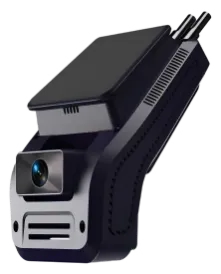
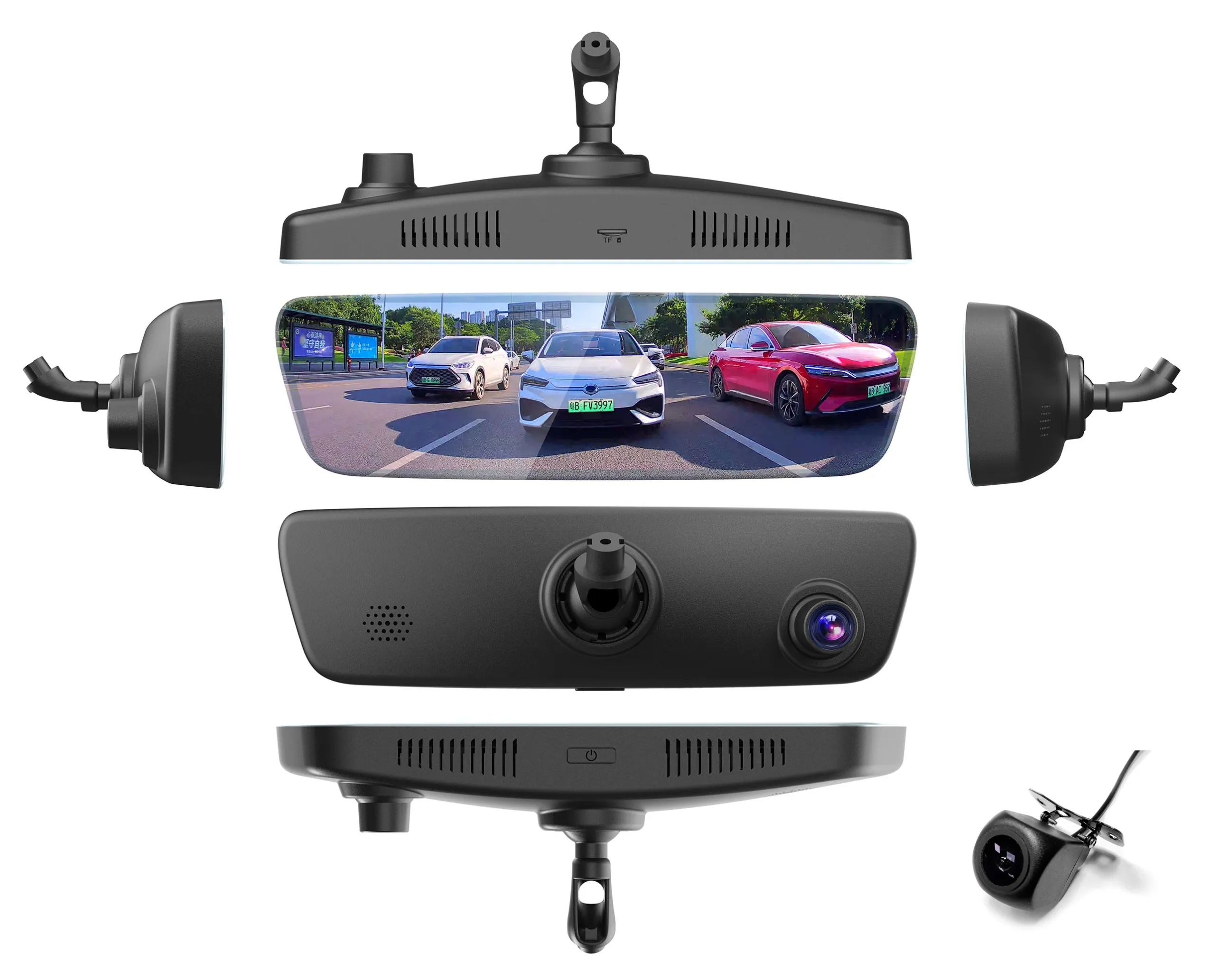
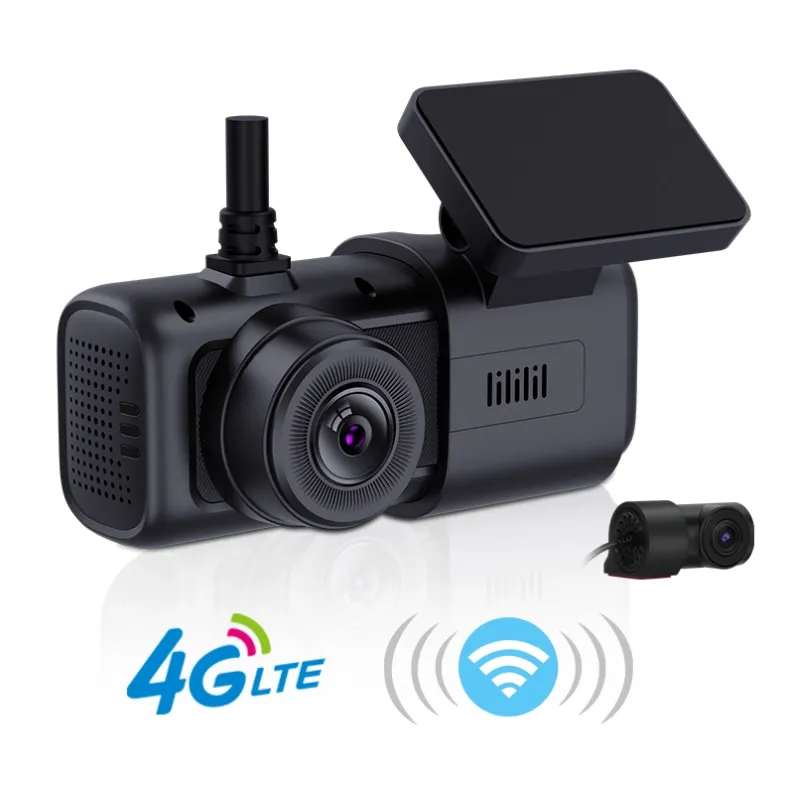
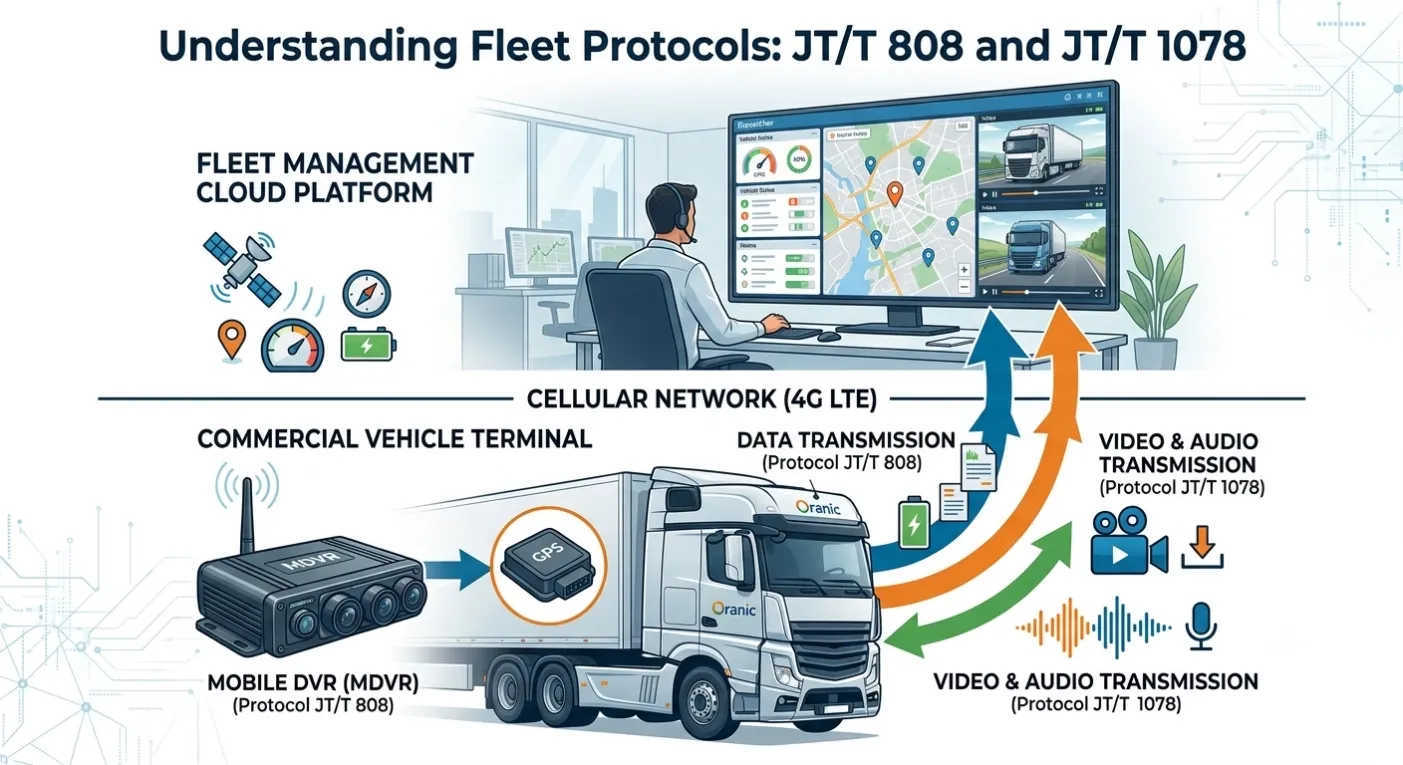
JT/T 808 is the core communication protocol designed for basic vehicle telematics. It establishes how an onboard terminal (such as a GPS tracker, T-Box, or dash cam) packages and transmits alphanumeric telemetry data to a central cloud server over cellular networks.
Primary data handled by JT/T 808:
- Real-time GPS coordinates, speed, heading, and altitude
- Telemetry alerts (speeding, geofence breaches, power disconnection)
- Driver ID and status reporting
- Vehicle operational data (engine status, mileage, input/output signals)
- Commands sent from server to device (e.g., remote engine cut-off)
2. What Is JT/T 1078? (Video & Audio Streaming)
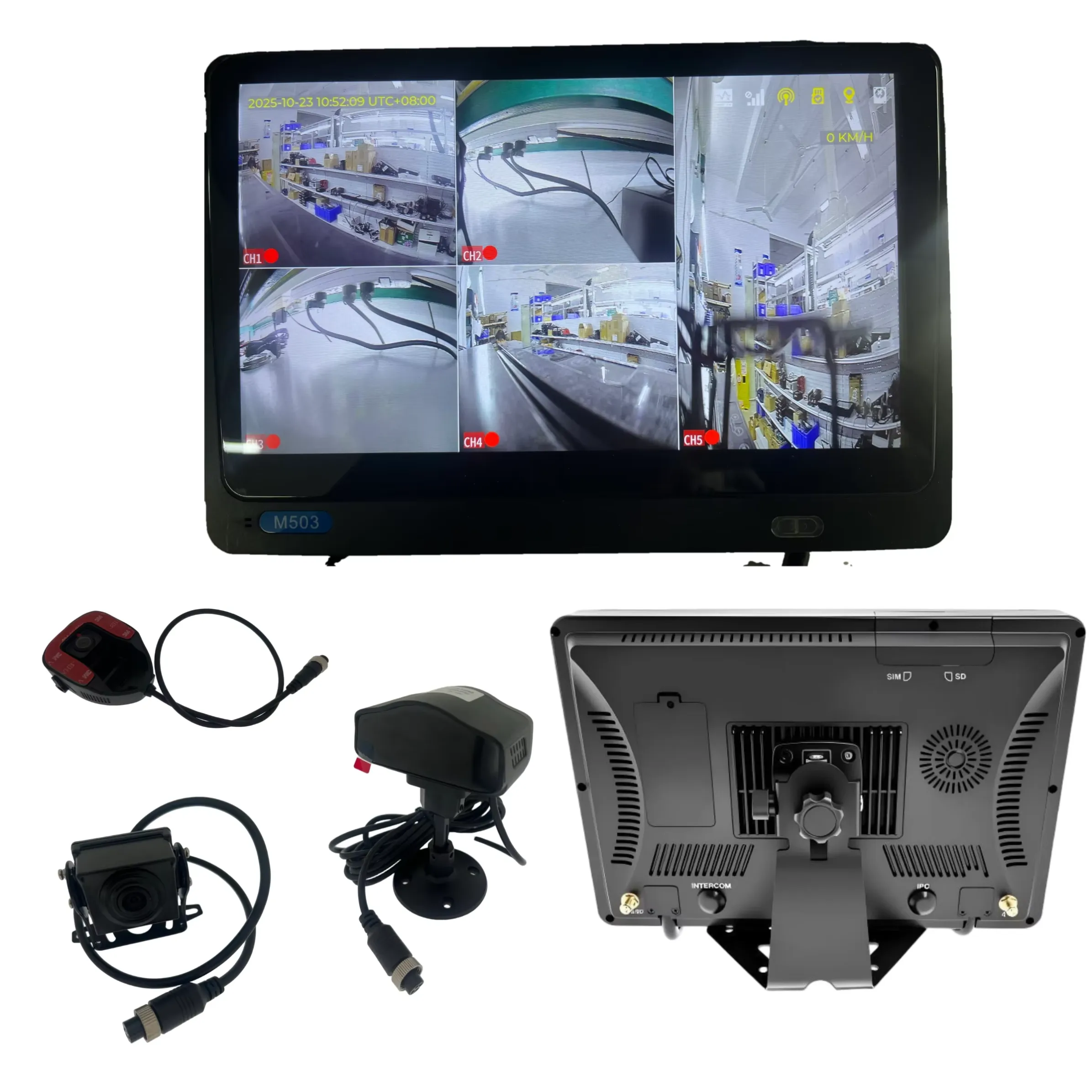
While JT/T 808 handles text and numerical data, JT/T 1078 was created specifically to standardize real-time video and audio transmission. It governs how Mobile DVRs (MDVRs) and multi-channel dash cams stream video over 4G/LTE networks without consuming excessive bandwidth or crashing the server connection.
Primary functions handled by JT/T 1078:
- Live-view video streaming across multiple camera channels
- Remote video playback and clip downloads from the onboard storage
- Real-time audio streaming and two-way intercom
- Emergency video event uploading (triggered by G-sensors, ADAS, or DMS)
JT/T 808 vs. JT/T 1078: The Core Distinction
Which Protocol Does Your System Need?
- Use JT/T 808 alone if your platform only needs location tracking, geofencing, route history, and basic diagnostic telemetry.
- Use JT/T 808 + JT/T 1078 together if your platform requires video visibility. Modern video telematics platforms depend on 808 to know where the truck is and 1078 to see what the driver or road looks like in real time.
Deploying Fleet Hardware with Oranic
At Oranic®, our 4G LTE AI dash cams and multi-channel MDVRs natively support both JT/T 808 and JT/T 1078 protocols out of the box. Whether you are integrating hardware into an existing cloud platform or building a custom telematics ecosystem from scratch, our OEM/ODM services provide fully compliant hardware with ADAS, DMS, and cloud video capabilities.
Contact our engineering team today to discuss protocol integration and hardware customization.