Oct 16, 2026FAQs
What Is Video Telematics and How Does It Work?
Video telematics is a technology that combines video recording, GPS tracking, vehicle data, and wireless connectivity to help businesses monitor vehicles and improve fleet safety.
What Is Video Telematics and How Does It Work?
Video telematics is a technology that combines video recording, GPS tracking, vehicle data, and wireless connectivity to help businesses monitor vehicles and improve fleet safety. It is widely used in logistics, transportation, delivery services, and commercial fleet management.
Unlike traditional GPS tracking systems that mainly provide vehicle location data, video telematics adds visual evidence to vehicle information, allowing fleet managers to better understand what happens on the road.
1. How Does Video Telematics Work?
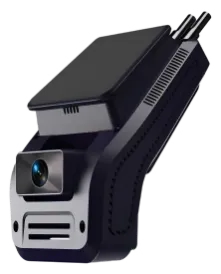
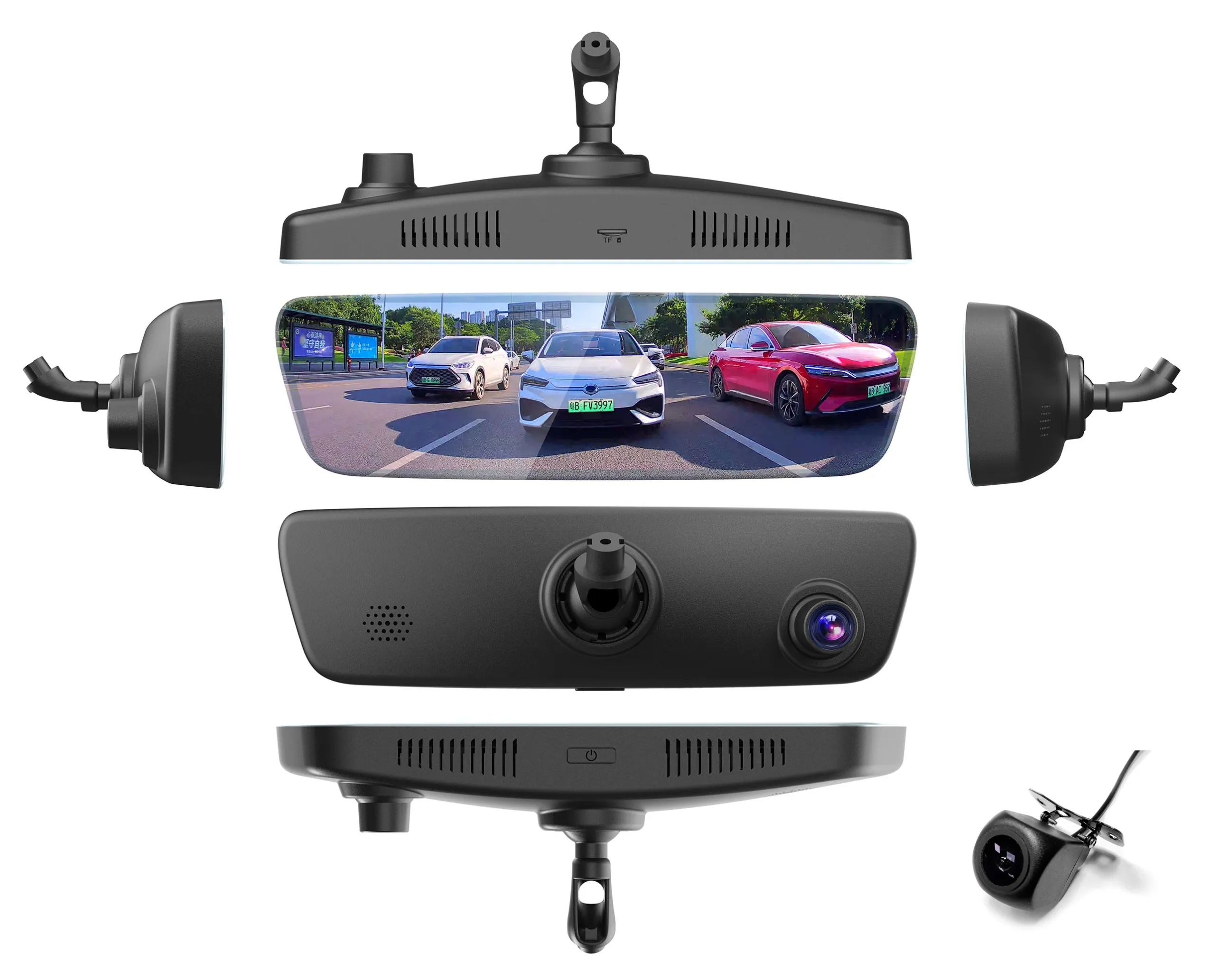
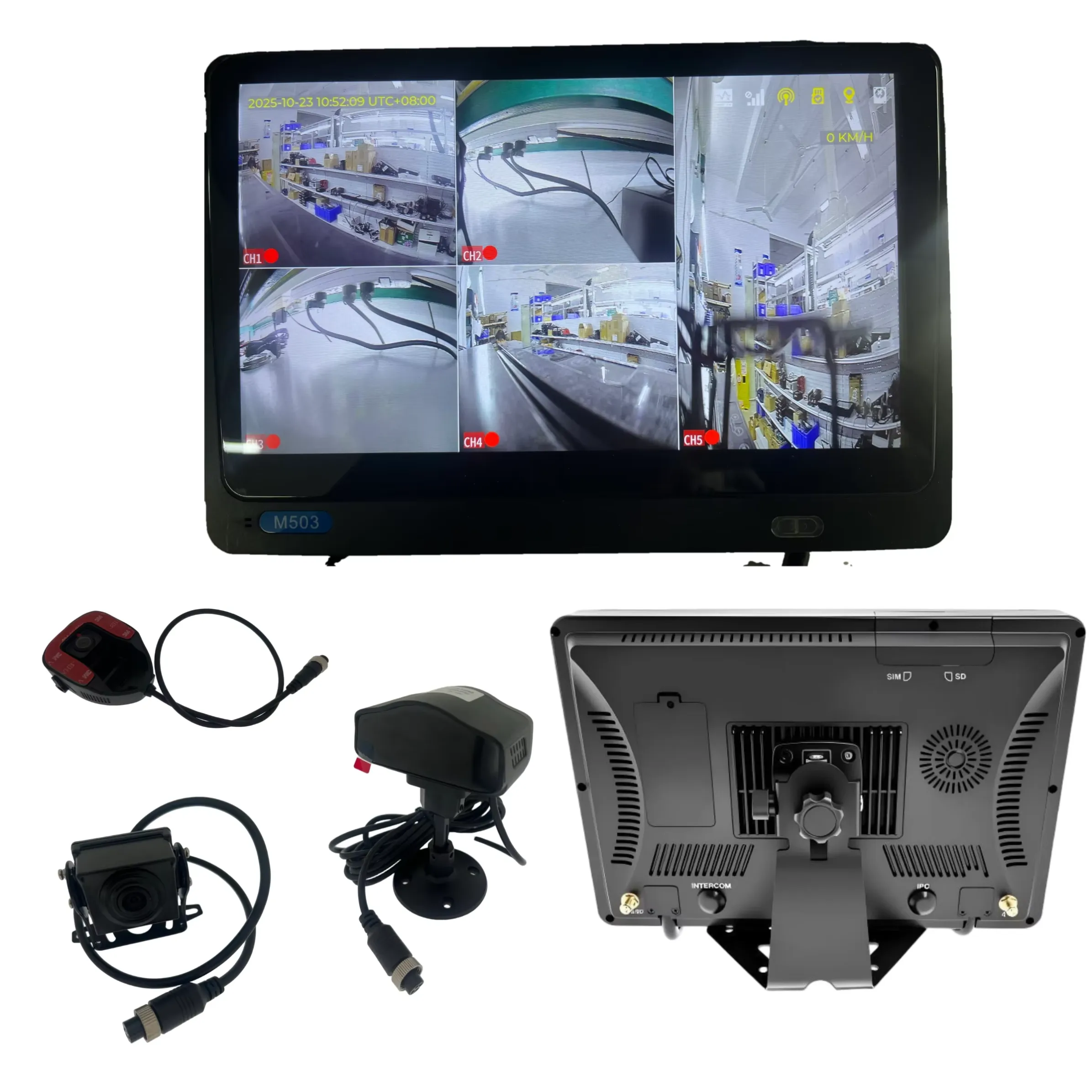
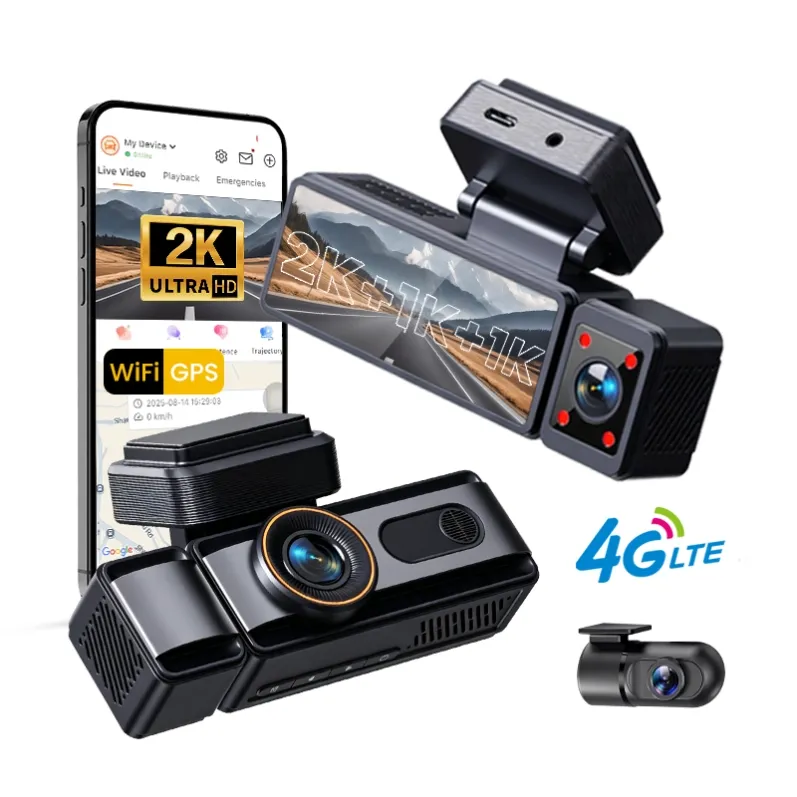
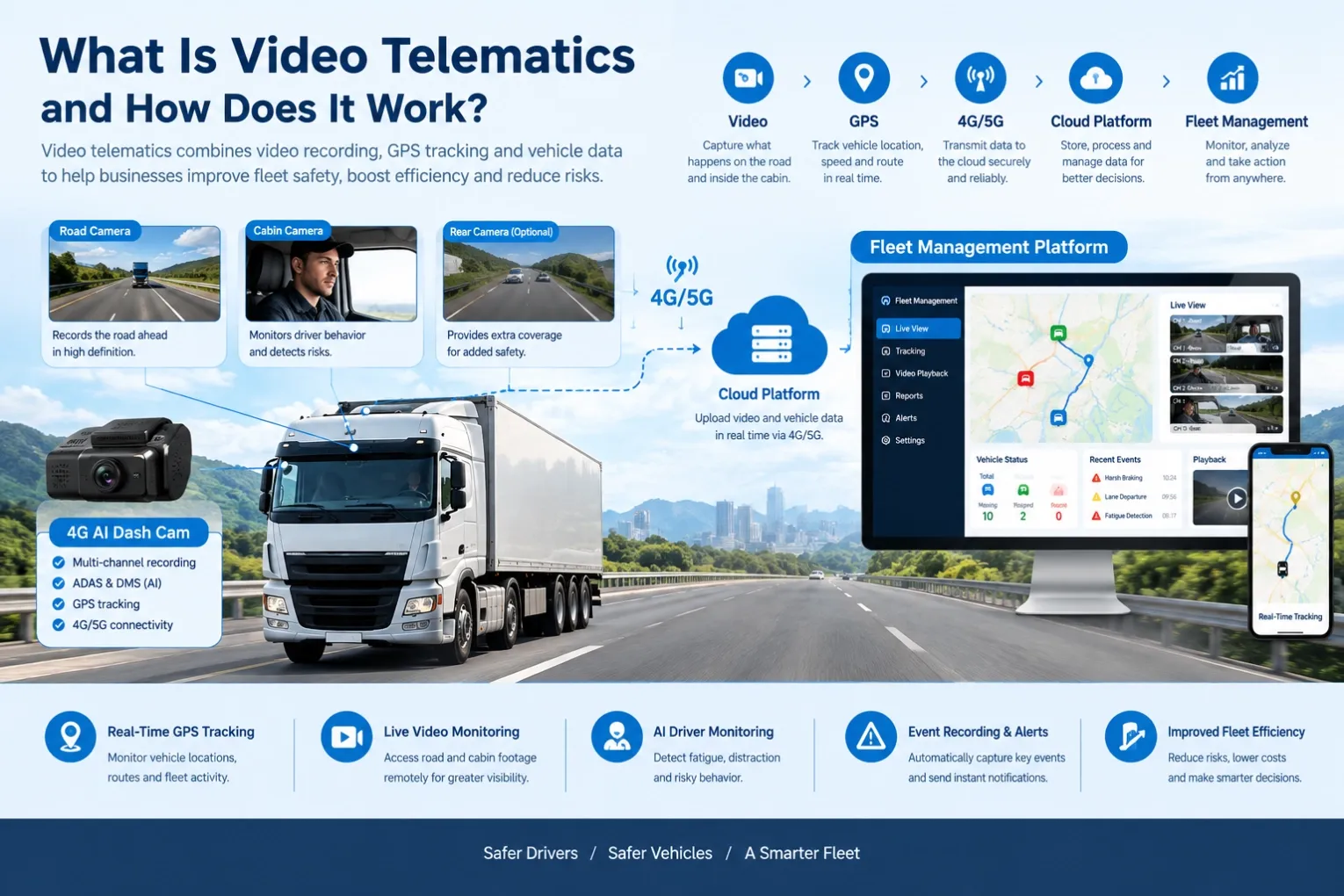
A typical video telematics system consists of a dash cam, GPS module, cellular connectivity, and fleet management software.
First, the dash cam records video from the road, driver cabin, or other camera channels. At the same time, the system collects GPS coordinates, vehicle speed, and other available operational data.
When an event occurs, such as harsh braking, a collision, or risky driving behavior, the device can save the relevant footage and transmit event data to a cloud platform through a 4G or 5G network, depending on the device.
Fleet managers can then access vehicle locations, video footage, and event reports remotely through a computer or mobile application. Some systems also support live video streaming and real-time alerts.
2. Key Features of Video Telematics
GPS Fleet Tracking
Track vehicle locations, review historical routes, and monitor fleet activity to improve dispatching and operational efficiency.
Live Video Monitoring
View road-facing and in-cabin footage remotely to investigate incidents and improve visibility into vehicle operations.
AI Driver Monitoring
Advanced video telematics systems may integrate ADAS (Advanced Driver Assistance Systems) and DMS (Driver Monitoring System) to detect potential collision risks, driver fatigue, distraction, and other unsafe behaviors.
Event Recording and Alerts
Automatically capture important driving events and send alerts to fleet managers, helping businesses respond more quickly to safety issues.
3. Benefits of Video Telematics for Fleet Management
Video telematics helps businesses improve driver accountability, investigate accidents, reduce operational risks, and make better fleet management decisions. Video evidence can also help resolve disputes and support driver training.
By combining location data with visual information, companies gain a clearer understanding of vehicle activity instead of relying on GPS data alone.
4. How to Choose a Video Telematics System
When selecting a video telematics solution, consider video resolution, camera channels, network compatibility, storage capacity, AI features, and software integration. If you use an existing fleet platform, check whether the device supports the required API, SDK, or communication protocols.
Conclusion
Video telematics combines video, GPS, and vehicle data to provide smarter fleet monitoring and safer driving. For businesses seeking greater visibility and control, a 4G AI dash cam integrated with fleet management software can be an effective solution for modern fleet